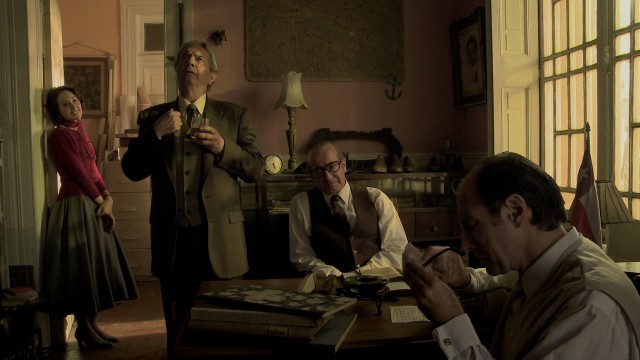
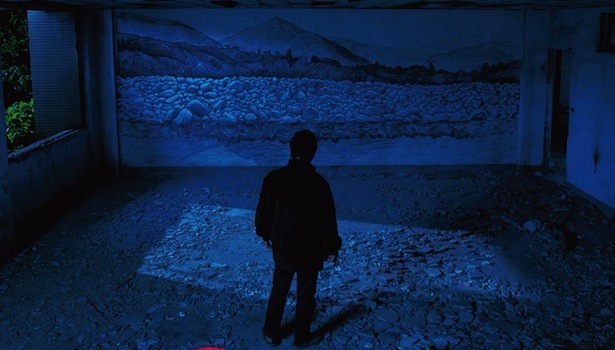
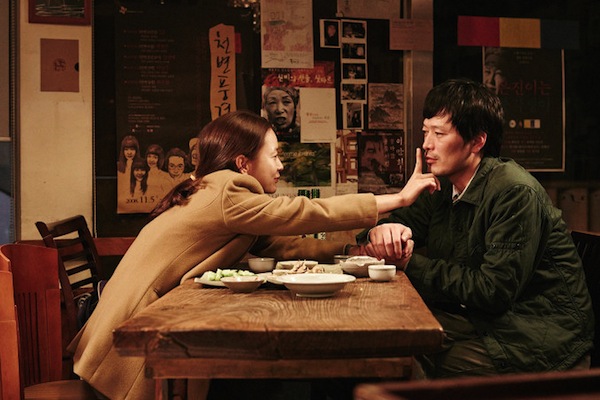
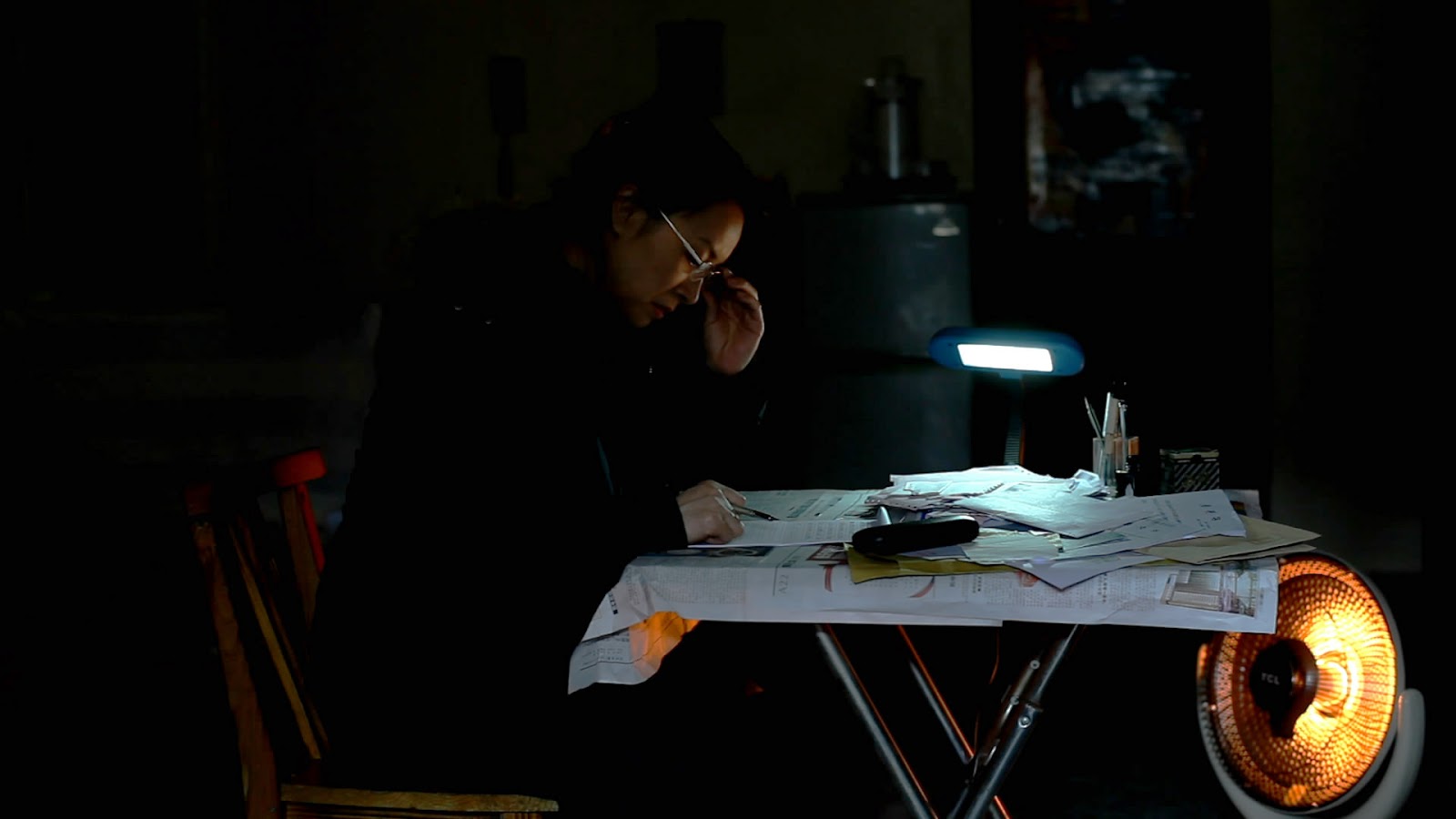
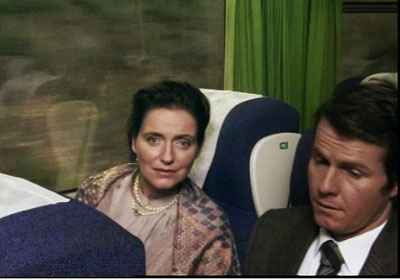
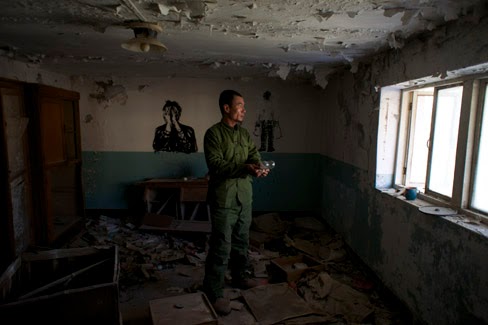
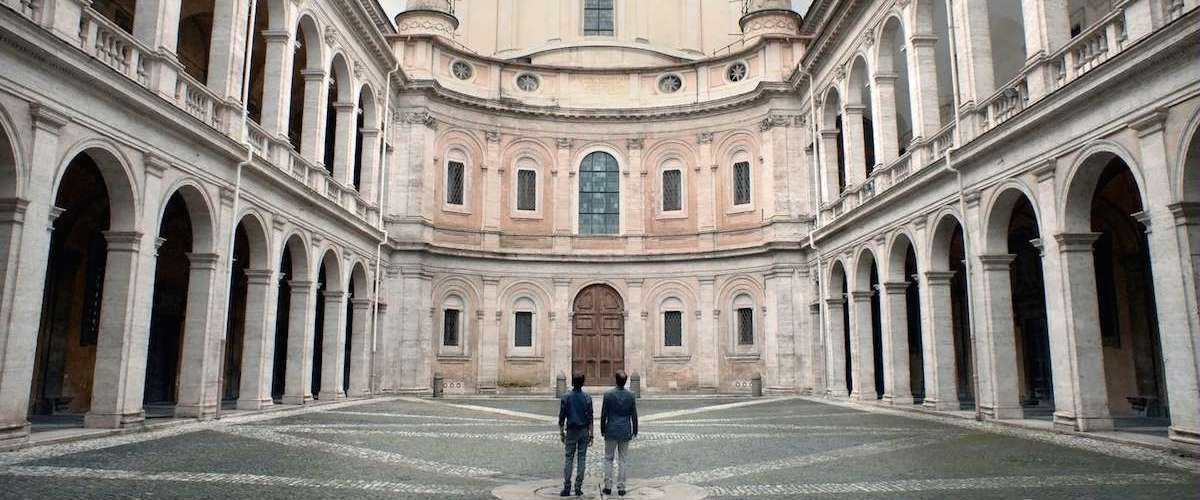
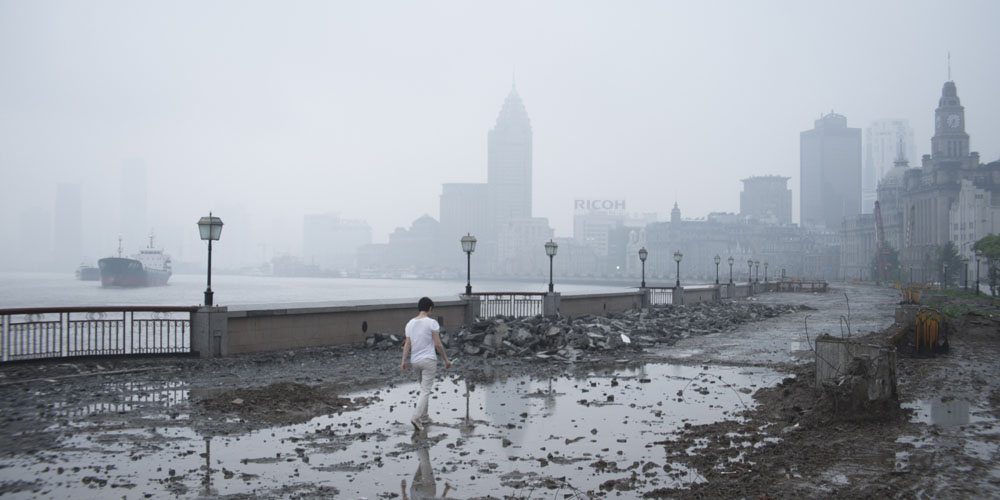
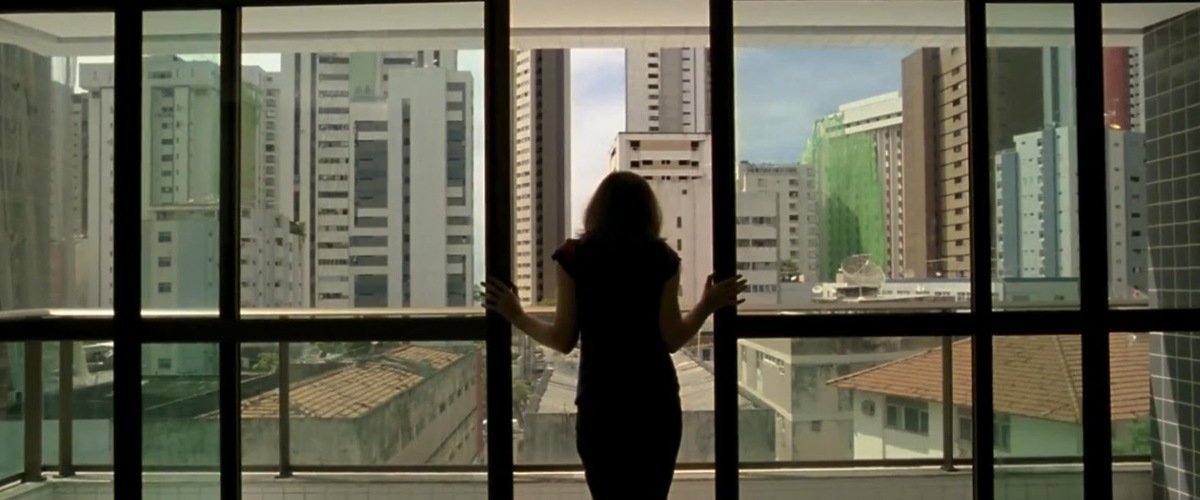
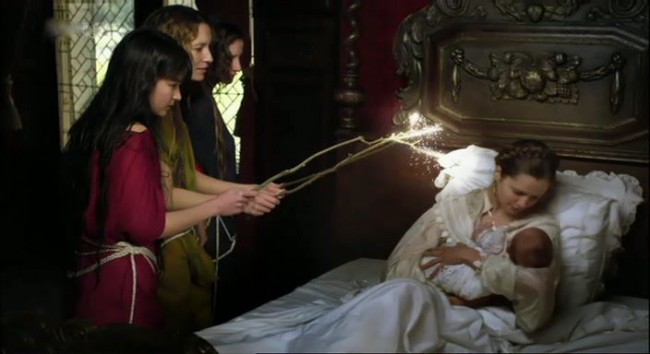
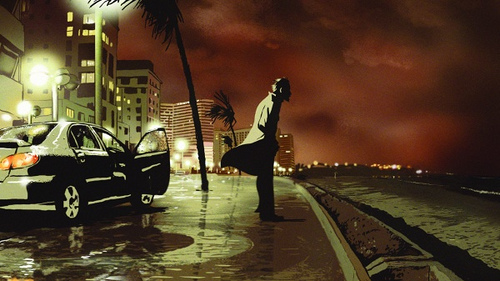
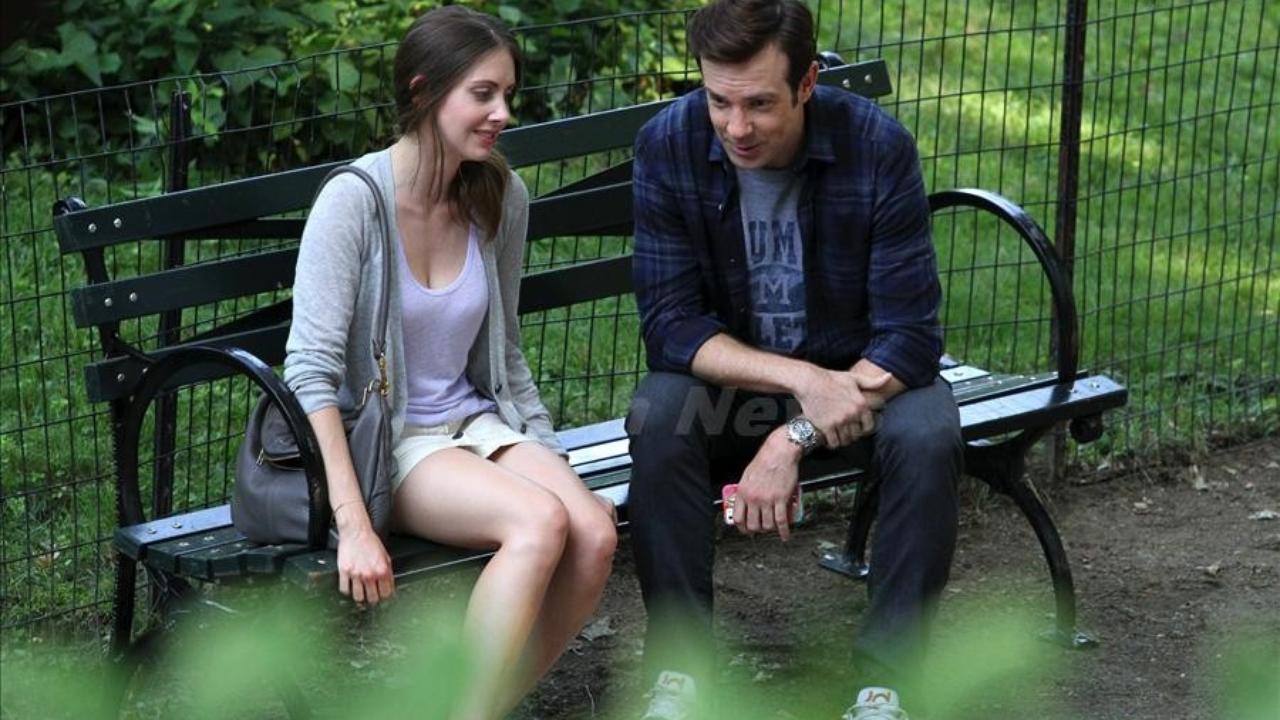
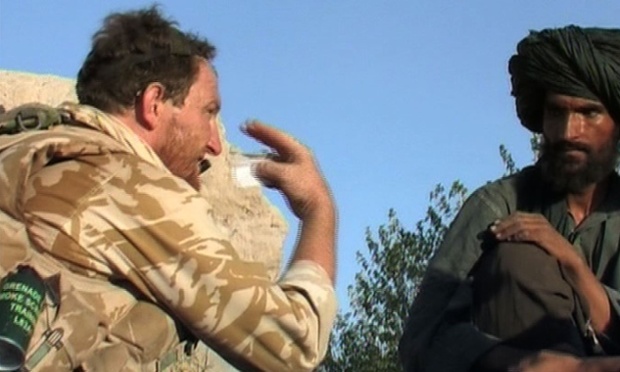
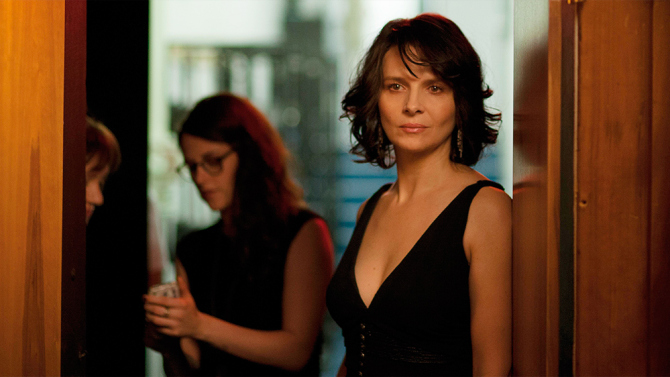
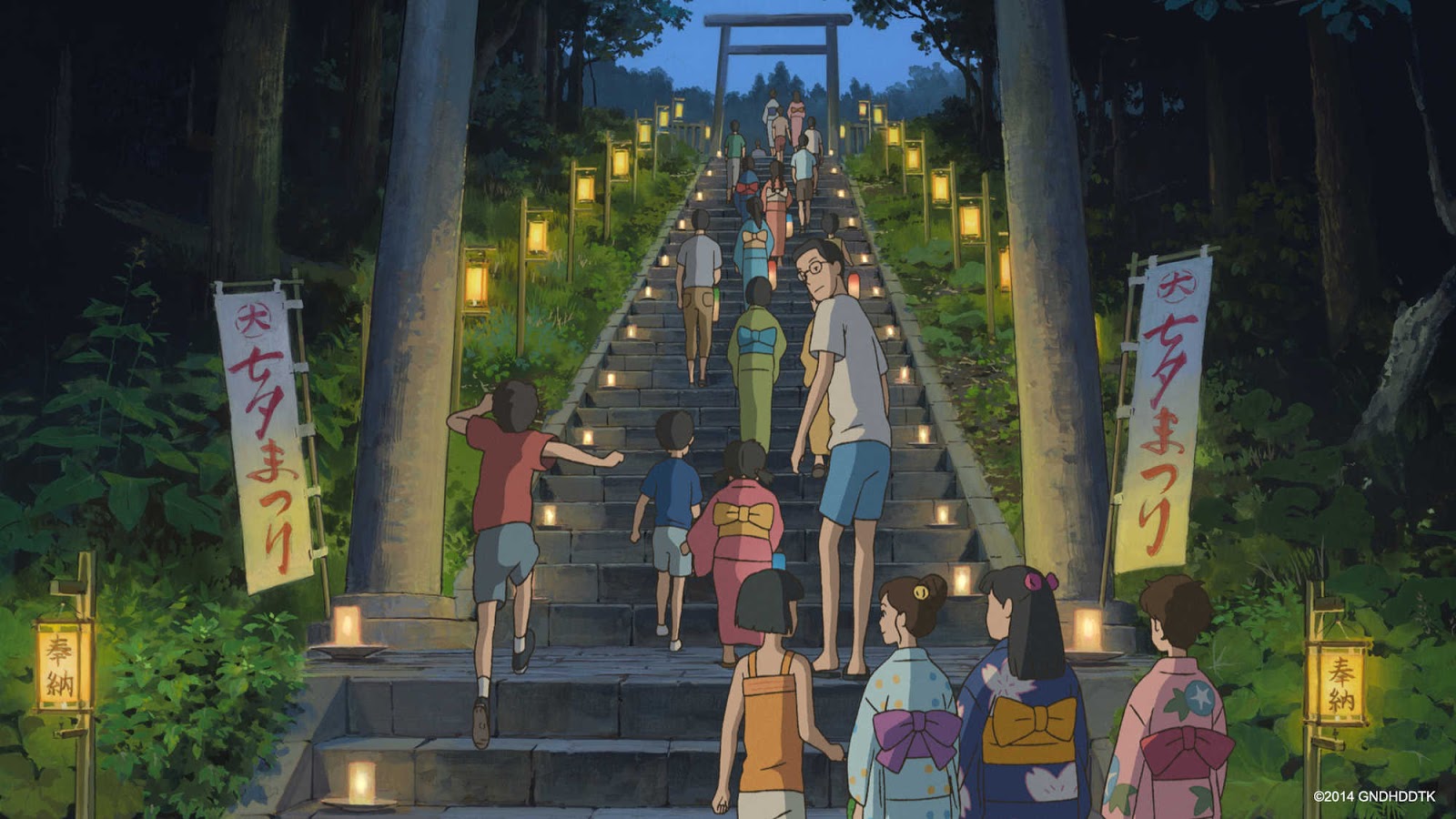
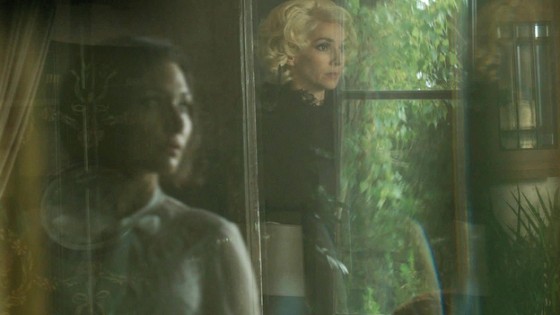
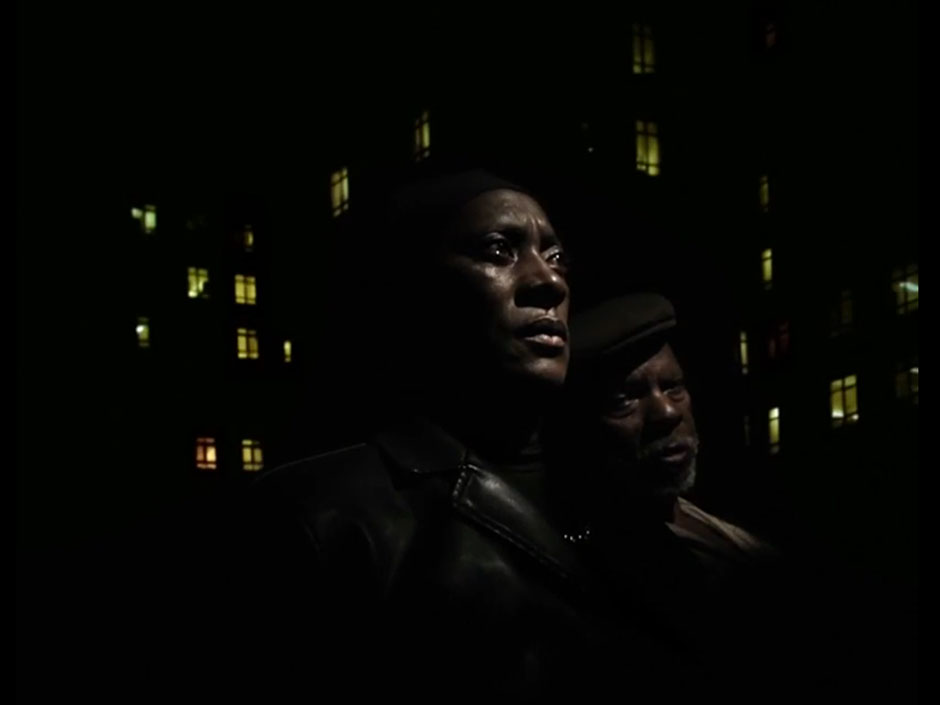
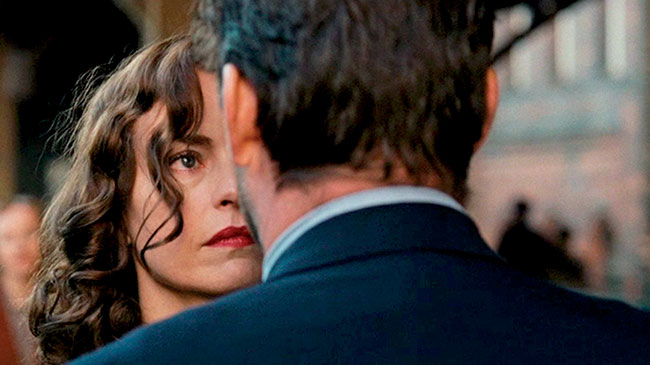
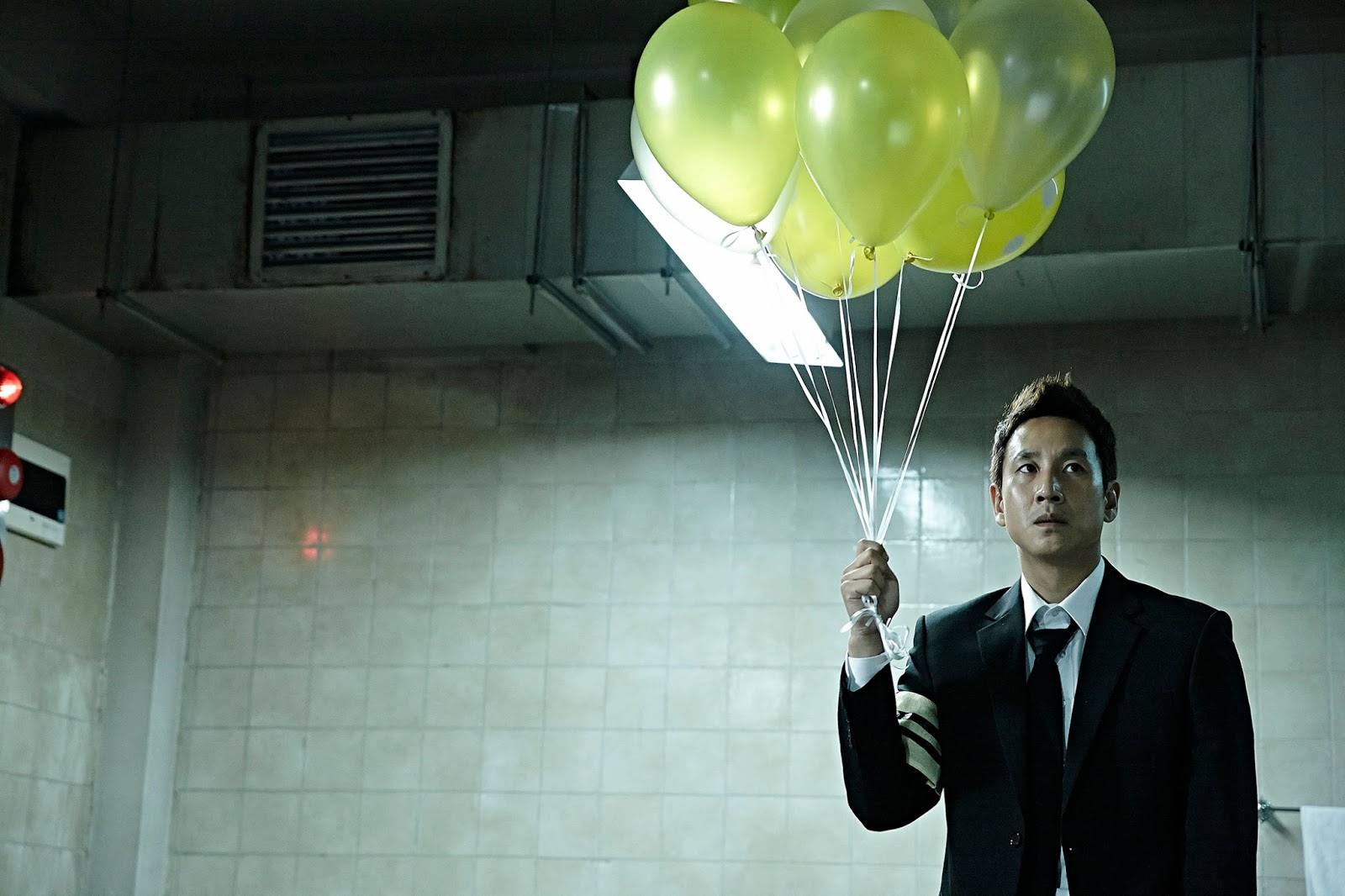
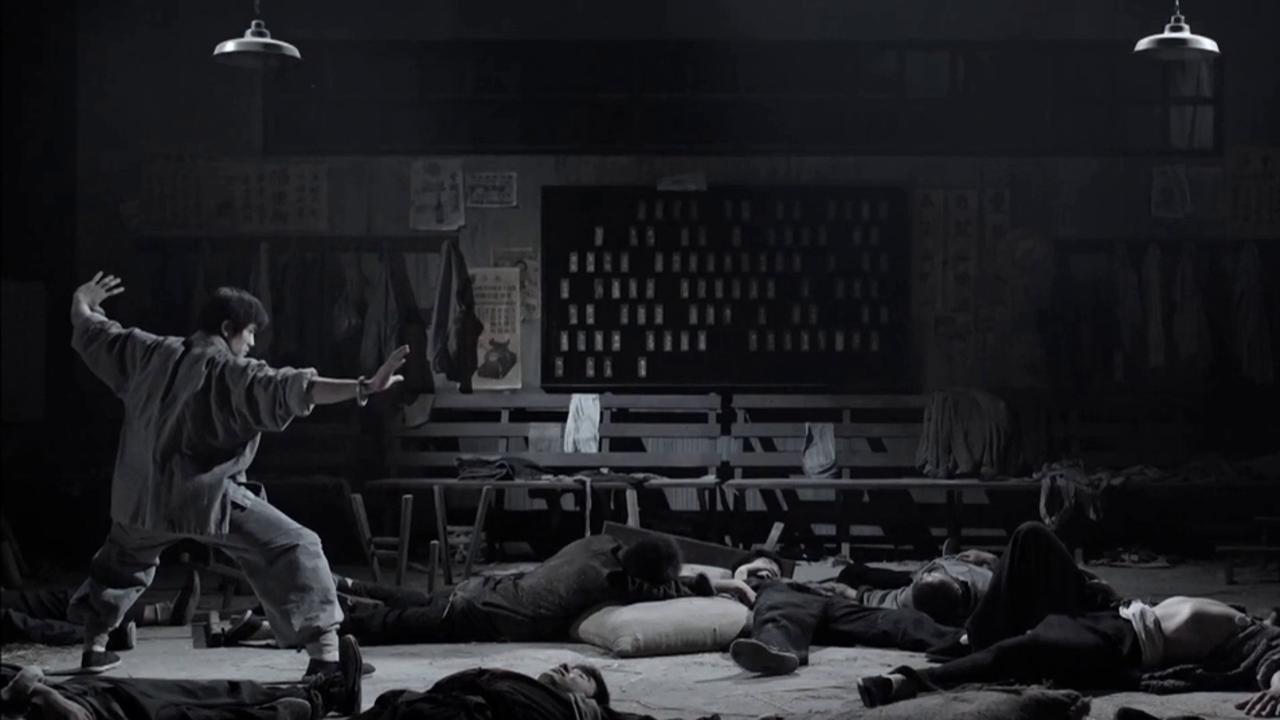
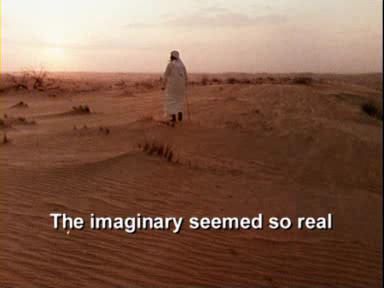
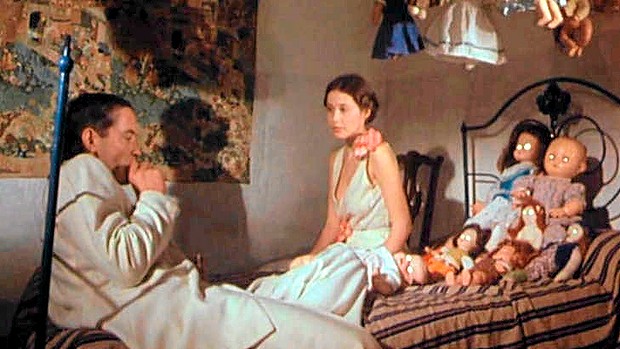
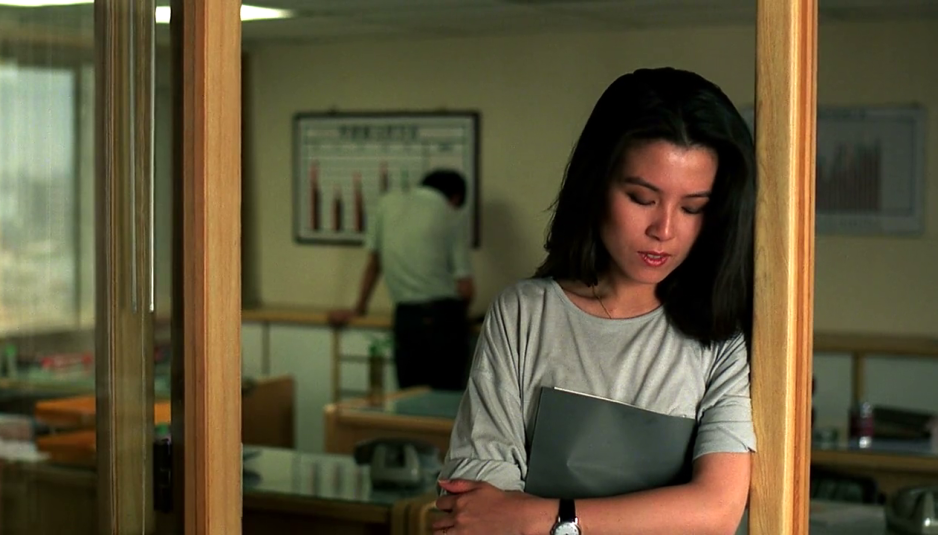
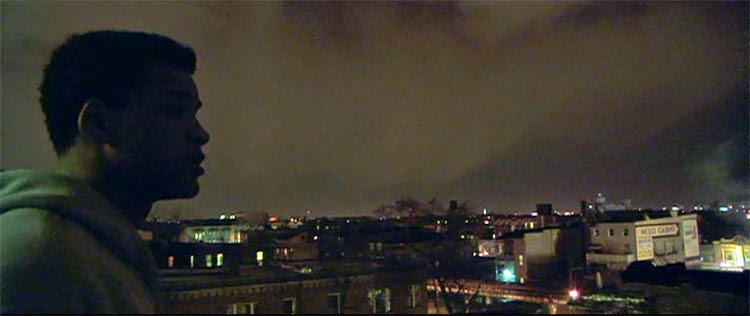
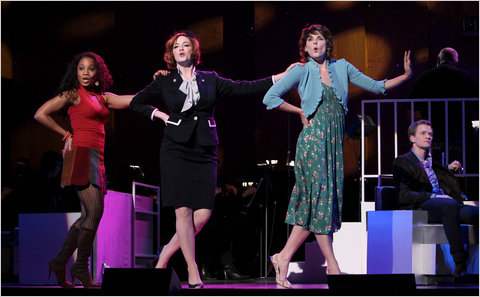
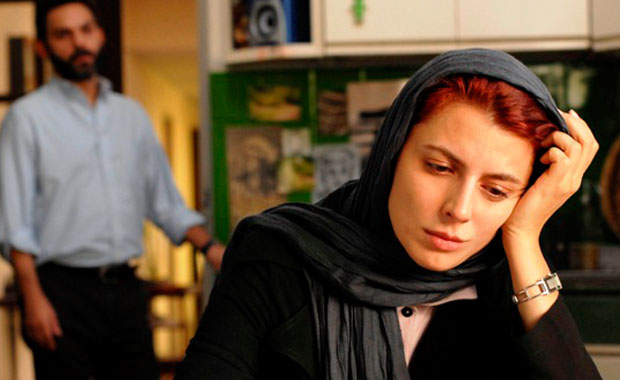
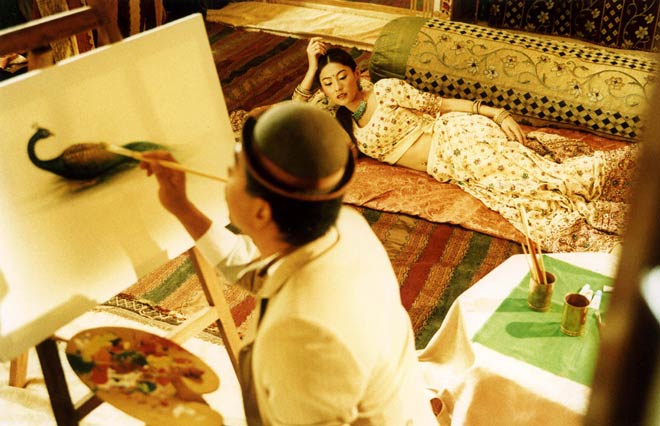
Leading up to the 2015 Vancouver International Film Festival, I’m hoping to catch up with and review some films from directors who have films featured at this years festival, directors who are reasonably new to me. This is the first installment.
Uncategorized
VIFF 2015: Introduction and Proposed Schedule
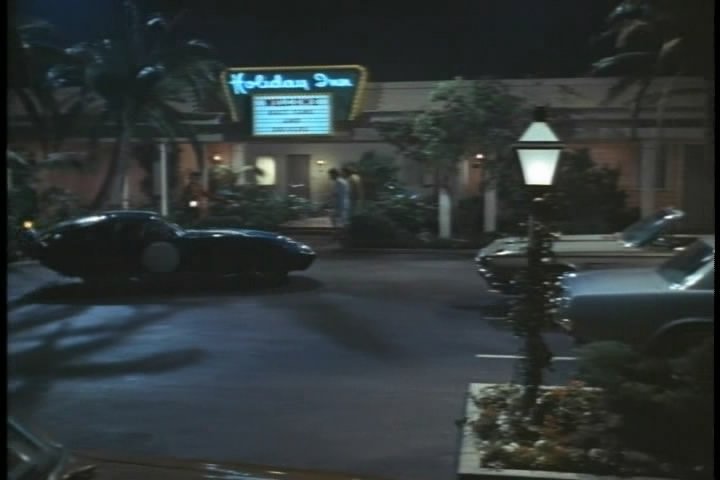
It is time once again for the Vancouver International Film Festival. This will be my seventh year making the trip, every year since 2008 with the exception of 2011. Here at The End, I’ll be reviewing as many movies as I can for as long as I can, probably in the same digest format I used last year. In a somewhat exciting development this year, the entire cast of The George Sanders Show will be attending the festival, and we plan on doing some on-the-spot recording while we’re there as well (we also have a preview episode planned for the weekend before the festival begins). We’ll have coverage of the festival over at Seattle Screen Scene as well, even though Vancouver is obviously not Seattle (except in In the Line of Duty 4 and Paycheck, of course), because it’s a reasonably short train ride and VIFF is better than SIFF.
Once again there’s a great selection at VIFF, with several films from international festival circuit along with more obscure titles from the Dragons & Tigers series highlighting Asian cinema, the largest such program outside of Asia. Again the loss of the Dragons & Tigers Award is sadly felt, and last year’s consolation award for New Directors is missing as well. It looks like the festival is simply repositioning itself as a forum for local film and television production, with an emphasis on the VIFF Industry sidebar conference, and away from the kind of festival that would seek out and fly-in directors from around the world, like former award-winners Hong Sangsoo, Jia Zhangke, Liu Jiayin, Kore-eda Hirokazu, and so on.
Because I’m only able to be there for 10 of the festival’s 16 days, there are a handful of anticipated titles I won’t be able to see. These include: Arabian Nights, In the Shadow of Women, Son of Saul, Francofonia, Our Little Sister, Aferim! and Cemetery of Splendor, as well as The Royal Road, which I saw at SIFF earlier this year and was hoping to see again. Fortunately I should be able to catch up with most of these at a later date, but missing out on the Miguel Gomes and Apichatpong Weerasethakul films in Vancouver is especially heart-breaking.
In addition to the podcast coming up in a couple of weeks, I’ll be doing some pre-festival viewing again, trying to catch up on previous works by directors I’m hoping to see this year. Those titles are to-be-determined, but I’m certain Sylvia Chang will be involved.
This is a rough draft of the schedule I’m looking to follow at the 2015 festival. Showings that conflict with each other are listed without a space in-between, with the film I’m leaning toward attending listed first. There are a lot more conflicted time slots this year than in years past, which is either because there are fewer films I’m really excited about or more films I’m somewhat excited about, or both.
Friday, September 25:
Paradise (Sina Ataeian Dena)

Li Wen at East Lake (Luo Li)
The Thoughts that Once We Had (Thom Andersen)
The Pearl Button (Patricio Guzmán)
A Tale of Three Cities (Mabel Cheung)
The Visit (An Alien Encounter) (Michael Madsen)
Saturday, September 26:
A Matter of Interpretation (Lee Kwangkuk)
The Sky Trembles and the Earth Is Afraid and the Two Eyes Are Not Brothers (Ben Rivers)
The Thoughts that Once We Had (Thom Andersen)
Alice in Earnestland (Ahn Goocjin)
The Club (Pablo Larraín)
Sunday, September 27:
Dead Slow Ahead (Mauro Herce)
A Tale of Three Cities (Mabel Cheung)
Drunk Stoned Brilliant Dead (Douglas Tirola)
Entertainment (Rick Alverson)
Beeba Boys (Deepa Mehta)
The Forbidden Room (Guy Maddin & Evan Johnson)
Monday, September 28:
Port of Call (Philip Yung)
It’s Already Tomorrow in Hong Kong (Emily Ting)
Right Now, Wrong Then (Hong Sangsoo)
Erbarme dich – Matthäus Passion Stories (Ramón Gieling)
Gonin Saga (Ishii Takashi)
Tuesday, September 29:
Love is All/Exquisite Corpus (Kim Longinotto/Peter Tscherkassky)
From Scotland with Love (Virginia Heath)
Topophilia (Peter Bo Rappmund)
Dead Slow Ahead (Mauro Herce)
Tharlo (Pema Tseden)
31st October (Shivaji Lotan Patil)
Wednesday, September 30:
The Visit (An Alien Encounter) (Michael Madsen)
Lost and Beautiful (Pietro Marcello)
Mr. Zhang Believes (Qiu Jiongjiong)
Kaili Blues (Bi Gan)
The Assassin (Hou Hsiao-hsien)
Three Stories of Love (Hashiguchi Ryosuke)
The Lobster (Yorgos Lanthimos)
Thursday, October 1:
Wondrous Boccaccio (Paolo & Vittorio Taviani)
Taxi (Jafar Panahi)
Argentina (Carlos Saura)
Magicarena (Andrea Prandstraller & Niccolò Bruna)
The Dream of Shahrazad (François Verster)
Paulina (Santiago Mitre)
Embrace of the Serpent (Ciro Guerra)
Disorder (Alice Wincour)
Friday, October 2:
Murmur of the Hearts (Sylvia Chang)
Three Stories of Love (Hashiguchi Ryosuke)
Dheepan (Jaques Audiard)
Monty Python: The Meaning of Live (Roger Graef & James Rogan)
My Golden Days (Arnaud Desplechin)
Louder than Bombs (Joachim Trier)
High-Rise (Ben Wheatley)
London Road (Rufus Norris)
100 Yen Love (Take Masaharu)
AAAAAAAAH! (Steve Oram)
Saturday, October 3:
45 Years (Andrew Haigh)
Into the Forest (Patricia Rozema)
Taxi (Jafar Panahi)
The Treasure (Corneliu Porumboiu)
Sunday, October 4:
The Summer of Sangailé (Alanté Kavaïté)
Chevalier (Athina Rachel Tsangari)
Mountains May Depart (Jia Zhangke)
This Week in Rankings
Since the last update we actually managed to put out a couple episode of They Shot Pictures. One on Preston Sturges and another on John Woo. I had reviews of Woo’s Princess Chang Ping at Seattle Screen Scene and Jackie Chan’s Project A films here at The End. We’ve also had episodes of The George Sanders Show on The Look of Silence and The Sound of Music and Man of Aran and Neo Tokyo.
These are the movies I’ve watched and rewatched over the last few weeks and where they place on my year-by-year rankings. Short comments or capsule reviews for them can be found over at letterboxd.
Man of Aran (Robert Flaherty) – 3, 1934
The Sound of Music (Robert Wise) – 31, 1965
The Young Dragons (John Woo) – 17, 1974
The Dragon Tamers (John Woo) – 22, 1975
Princess Chang Ping (John Woo) – 16, 1976
Last Hurrah for Chivalry (John Woo) – 12, 1979
Laughing Times (John Woo) – 32, 1980
Neo Tokyo (Rintaro, Yoshiaki Kawajiri & Katsuhiro Ōtomo) – 16, 1987
The Killer (John Woo) – 1, 1989
Just Heroes (John Woo & Wu Ma) – 49, 1989
Bullet in the Head (John Woo) – 4, 1990
Hard-Boiled (John Woo) – 3, 1992
Hard Target (John Woo) – 46, 1993
Sense and Sensibility (Ang Lee) – 19, 1995
Broken Arrow (John Woo) – 30, 1996
Face/Off (John Woo) – 30, 1997
Windtalkers (John Woo) – 14, 2002
Paycheck (John Woo) – 27, 2003
Red Cliff (John Woo) – 6, 2008
Oki’s Movie (Hong Sangsoo) – 1, 2010
Reign of Assassins (Su Chao-pin) – 48, 2010
The Crossing Part One (John Woo) – 11, 2014
The Look of Silence (Joshua Oppenheimer) – 33, 2014
Shaun the Sheep Movie (Mark Burton & Richard Starzak) – 16, 2015
Mission: Impossible – Rogue Nation (Christopher McQuarrie) – 20, 2015
Ant-Man (Peyton Reed) – 23, 2015
Running Out of Karma: Jackie Chan’s Project A and Project A 2
Running Out of Karma is my on-going series on Johnnie To, Hong Kong and Chinese-language cinema. Here is an index.
The sequel is even more Chan-focused, as the other Little Fortunes are absent (they were off in the jungle making Eastern Condors) and Jackie is joined by a trio of women played by Maggie Cheung, Carina Lau and Rosamund Kwan, in an apparent nod to Tsui Hark’s Peking Opera Blues and its trio of Brigitte Lin, Sally Yeh and Cherie Chung. The film picks up right at the end of the first one, with surviving members of the pirate gang vowing revenge on Chan. They end up poor and desperate in Hong Kong where they join the various factions trying to kill our hero. These include a corrupt cop with a penchant for inflating his reputation with fake arrests and a gambling den magnate/gang leader. The women are part of Sun Yat-sen’s revolutionary group, and they try to get Chan to join up as well. As always, Chan refuses to take a political stand, rather than supporting one government or another he sticks to a personal ideology of honesty and righteousness. He’s against corruption, aids the sick and helpless and protects the innocent. There’s nothing wrong with any of those things, of course, but one can’t help notice that this political vagueness also makes his films palatable for the widest possible audience, whereas more committed films like Tsui’s, in which the female revolutionaries are the heroes and prime movers of the plot, make an unmistakeable political argument threatening to the powers that be.
Chan’s political vagueness aside, I think this is actually even better than the first film. It expands and perfects his desire to pay homage to old Hollywood classics, with an extended sequence in Cheung’s apartment that recalls A Night at the Opera (as well as a similar, but smaller-scale, sequence in Tsui’s Shanghai Blues) and the finale ups the Harold Lloyd sequence from the first film by recreating Buster Keaton’s most famous stunt (from Steamboat Bill, Jr.) The best sequence though is an extended chase with Chan and his rival cop handcuffed together and attacked by the ax-throwing pirate gang that starts in a restaurant and extends across the streets of the city. This is the pinnacle of Chan’s slapstick kung fu style, avoiding the brutal masochism of Police Story (made between these two films in 1985), in which the light-hearted comic hero Jackie gradually comes undone at the abuse of his body perpetrated by the villains and his own choreographic imagination. The conclusion of that film is violent and cruel, as the hero resorts to a pure expression of murderous rage against his (captured and defenseless) enemy, part of a series of Hong Kong films in the 80s that seem to justify police vigilantism and brutality, also a popular trope in American cop films of the same era. As Chan’s career went on, the cartoon of the Project A films became his default persona while the Police Story darkness, a natural outgrowth of the masochism of his early films, dissipated. But aside from a spark here and there, the films were rarely so good, becoming increasingly content to rest on audacity rather than ingenuity for his stunt sequences and awkward mugging for his comedy. And as his physical skills have declined with age, the hollowness of his work has become ever more apparent. Unlike Tsui Hark, or Lau Kar-leung, he’s been unable to extend his directorial career into old age with any kind of success. He never really had anything to say anyway.
This Week in Rankings
Over the past month or so I wrote about King Arthur here at The End and a bunch of movies over at Seattle Screen Scene, including Christmas in July, Trainwreck and The Lady Eve, A Hard Day and Unexpected, and a quartet of Running Out of Karma movies: Wild City; Yes, Madam!; The Heroic Trio, and A Better Tomorrow.
We discussed that last one as well on The George Sanders Show, along with Blackhat. We also did shows on Summer Interlude and Songs from the Second Floor and The Green Ray and X: The Man with X-Ray Eyes. We have a new episode of They Shot Pictures on Preston Sturges ready to go, it should be making it’s way onto the internet any time now. And, following tradition, I made a bunch of Best of the Year So Far lists.
I also went on a bit of an Endy Awards kick, handing out fake cat statues to films from the years 1993, 1995, 1996 and 1997. I also updated the years 1994 and 1998-2014, changing some nominees and winners based on new movies I’ve seen since the last revision in March. You can find all of those, as always, in the Endy Awards Index.
These are the movies I’ve watched and rewatched over the last few weeks and where they place on my year-by-year rankings. Short comments or capsule reviews for them can be found over at letterboxd.
The Power and the Glory (William K. Howard) – 33, 1933
The Good Fairy (William Wyler) – 11, 1935
The Adventures of Robin Hood (Michael Curtiz) – 2, 1938
Christmas in July (Preston Sturges) – 4, 1940
The Great McGinty (Preston Sturges) – 20, 1940
The Lady Eve (Preston Sturges) – 2, 1941
Sullivan’s Travels (Preston Sturges) – 11, 1941
The Palm Beach Story (Preston Sturges) – 5, 1942
Hail the Conquering Hero (Preston Sturges) – 8, 1944
The Miracle of Morgan’s Creek (Preston Sturges) – 12, 1944
Unfaithfully Yours (Preston Sturges) – 5, 1948
Summer Interlude (Ingmar Bergman) – 31, 1951
X: The Man with X-Ray Eyes (Roger Corman) – 24, 1963
Temple of the Red Lotus (Hsu Tsung-hung) – 27, 1965
The Story of a Discharged Prisoner (Patrick Lung-kong) – 21, 1967
A Better Tomorrow (John Woo) – 1, 1986
The Green Ray (Eric Rohmer) – 2, 1986
Middlemarch (Anthony Page) – 40, 1994
Songs from the Second Floor (Roy Andersson) – 23, 2000
Emma (Jim O’Hanlon) – 27, 2009
Blackhat (Michael Mann) – 3, 2015
Wild City (Ringo Lam) – 12, 2015
Trainwreck (Judd Apatow) – 13, 2015
7 Days in Hell (Jake Szymanski) – 17, 2015
SIFF 2015 Index
This is an index of my coverage of the 2015 Seattle International Film Festival. The reviews are all at Seattle Screen Scene, the brief comments are on letterboxd.
Reviews:
Temporary Family (Cheuk Wan-chi, 2014) – May 14, 2015
Snow on the Blades (Setsurô Wakamatsu, 2014) – May 14, 2015
Results (Andrew Bujalski, 2015) – May 18, 2015
Back to the Soil (Bill Morrison, 2014) – May 18, 2015
Beyond Zero 1914-1918 (Bill Morrison, 2014) – May 18, 2015
Natural History (James Benning, 2014) – May 18, 2015
The Coffin in the Mountain (Xin Yukun, 2014) – May 22, 2015
Haemoo (Shim Sungbo, 2014) – May 22, 2015
The Color of Pomegranates (Segei Parajanov, 1968) – May 22, 2015
A Hard Day (Kim Seonghoon, 2014) – May 22, 2015
Overheard 3 (Alan Mak & Felix Chong, 2014) – May 29, 2015
Dreams Rewired (Manu Luksch, Thomas Tode & Martin Reinhart) – May 29, 2015
The Apu Trilogy (Satyajit Ray, 1955-59) – May 29, 2015
Mistress America (Noah Baumbach, 2015) – May 29, 2015
Unexpected (Kris Swanberg, 2015) – May 29, 2015
A Matter of Interpretation (Lee Kwangkuk, 2014) – May 29, 2015
Dearest (Peter Chan, 2014) – May 29, 2015
Brief Comments:
When Marnie Was There (Hiromasa Yonebayashi, 2014) – May 05, 2015
Virtuosity (Christopher Wilkinson, 2014) – May 10, 2015
The Royal Road (Jenni Olson, 2015) – May 30, 2015
Phoenix (Christian Petzold, 2014) – May 31, 2015
The Teacher’s Diary (Nithiwat Tharathorn, 2014) – Jun 01, 2015
Saved from the Flames (Compilation hosted by Serge Bromberg) – Jun 02, 2015
Cave of the Spider-Women (Dan Duyu, 1927) – Jun 03, 2015
Cave of the Silken Web (Ho Meng-hua, 1967) – Jun 03, 2015
Eden (Mia Hansen-Løve, 2014) – Jun 04, 2015
¡Que viva México! (Sergei Eisenstein and Grigori Aleksandrov, 1932) – Jun 07, 2015
Podcast:
On King Arthur
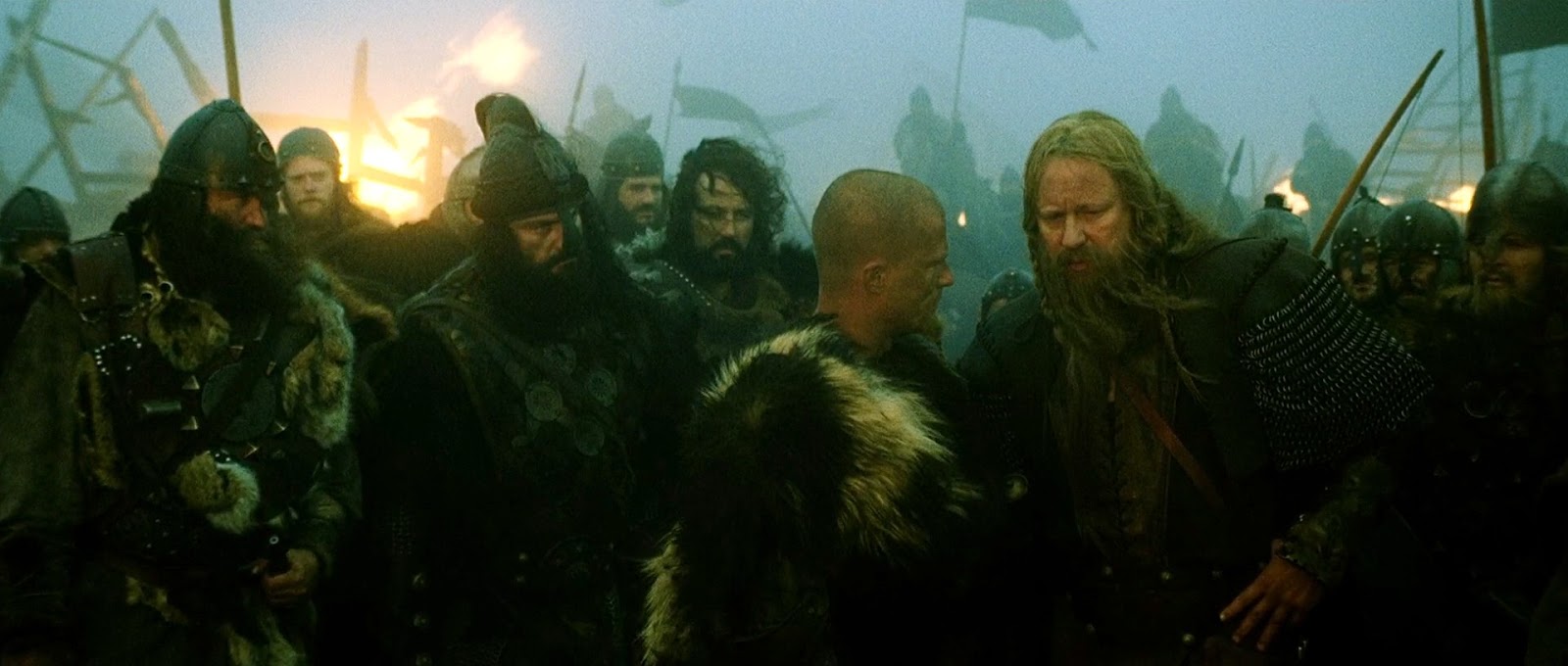
This 2004 film directed by Antoine Fuqua from a screenplay by David Franzoni is not just ahistorical in a run of the mill anachronistic or “hey things didn’t happen like that” kind of way. That stuff is kind of annoying but it’s mostly harmless. All histories, filmed or otherwise, are necessarily approximations of the truth. But this is antihistorical, it falsifies history in such a way as to not only make its audience dumber about the past, but in service of a nefarious agenda regarding the present.
Arthur is situated as the leader of a small band of Roman cavalry stationed at Hadrian’s Wall in the late 5th century, at the time Rome pulled out from Britannia in the wake of Germanic and Gothic incursions throughout the Western Empire. His men, anachronistically called “knights” (knights won’t actually become a thing for another 500 years or so, after the Norman conquest; this is an example of an acceptable anachronism, especially since the Arthurian legends, composed in the age of chivalry, have already imposed knighthood on the historical story (if there was one, more about that later)) are Sarmatians, drafted into Imperial service as part of a 3rd Century surrender agreement between their people and the Empire (not historical: the Sarmatians remained a power in the Ukraine and Balkan regions through the end of the Western Empire, though there is a theory that the Arthurian legends are influenced by or even sourced in, similar Sarmatian stories (notably one about a lady with a sword in a lake), the influence purported to have come from a community of Sarmatian veterans in Lancashire). Arthur himself is not Sarmation, but is half-British and half-Roman, having been raised by the renowned Christian theologian Pelagius (though probably of British or Irish origin, Pelagius nonetheless spent most of his life far south of where Arthur would have lived, also he died some 50 years before the events of the film take place and the film is wrong about almost every aspect of his life and beliefs).
Warring factions on the island include: the Romano-British, those native Celtic Britons that had been Romanized over three centuries of occupation; the Woads, led by the mysterious Merlin, these are non-Romanized Britons at war with the Empire, the name and their appearance recalls the Picts, the Celts who lived North of the Wall in Scotland (the Scoti likely were Irish Celts who migrated from Ulster to Western Scotland, at this time though the Picts were the dominant group in the area), though these Woads seem to operate freely on both sides of the Wall rather than be separated by it from the Empire, which was of course the main purpose of the Wall; the Saxons, Germanic invaders led by Cerdic and his son Cynric who land in Scotland and march South to take over the lands of the withdrawing Romans. This is inane geographically: the Saxons invade North of the Wall, which is not only ahistorical but incredibly dumb – rather than invade the South of England, they apparently travelled all the way north by boat simply to land on the opposite side of the most impressive defensive fortification in the Western Empire. The historical Saxons of course landed on the South and South-Eastern coasts of Britain, an area then known as the “Saxon Shore”, Saxon raids on the Empire had been so frequent from the 3rd Century on that there was a whole Roman command dedicated to discouraging them, you can even still find Roman forts on the Saxon Shore today. And it’s inane historically: Cerdic was an actual person, as was his son. They were the founders of the Kingdom of the West Saxons, known as Wessex (note: West Saxons, not “guys who invaded Scotland for no reason”). Their line of descendants, cut short in the film because, as the villains, they both get killed, is the line of the British monarchy, a more or less direct descent from Cerdic to Alfred the Great to William the Conquerer, Henry VIII, and the present Elizabeth II. So not only does this film put the West Saxons in the North, it kills off the entire history of English royalty.
So what have we got here other than a tangled mess of misremembered history? If we posit that no film can be a true depiction of history, and that the task of historical fiction is to use the past as raw material for the telling of a story, one that tells us as much, if not more, about our present than it does our past, in effect broadening our myopic modern concerns with the weight and perspective of lost time (whether fanciful or factual), then what does this nonsense film accomplish? For any act of historical fiction that deviates from historical fact, there must be a reason. Usually this amounts to story expediency, minor historical details are modified to make for a more compelling narrative, as is the case in, say, The Lion in Winter, which depicts a family gathering of the Plantagenet nobility that likely never took place but that nonetheless sets an effective the stage for exploring the actual conflicts and interactions within that remarkable family. So to what end is history mangled in King Arthur? It’s hard to read it as anything other than an apologia for neo-conservatisim and a justification for the Iraq War. Released in 2004, at the height of that propagandistic time, we have the story of a powerful garrison stationed in a faraway land, banding together for no reason other than fellowship and duty, to protect one group of freedom-loving primitives from another, more aggressive band. King Arthur was written by David Franzoni, the man also responsible for the historical farce that is Gladiator, which asserts that by overthrowing the decadent and fascistic dictatorship of the cruel Roman Emperor Commodus, a group of high-minded nobles and warriors will (did) bring freedom (that word again) to the backwards peoples of the Empire, which is, of course, the opposite of what actually happened in Rome (and Iraq, so far at least). Reportedly Franzoni is at work on two different historical fictions set in China, one a Yang Kwei-fei adaptation, the other set amongst 19th century pirates. I, for one, am very afraid.
This is the opposite of the narrative the Arthurian legends, if they are in fact sourced in history (which is highly debatable), represent. Tradition holds that the historical Arthur was one of the leaders of a band of Romano-British left behind after the Empire abandoned the island. In the wake of that withdrawal, Saxon immigration (which had been on-going for a century or so) to the island intensified. This was not necessarily in an invasion: one tradition holds that as groups of Romano-British warred amongst themselves, a band of Saxons were invited over as mercenaries and took a liking to the place, setting up their own space and gradually expanding outwards. There’s even strong evidence that what happened wasn’t so much a full scale migration followed by genocide and population replacement (as is implied by Cerdic preventing a Saxon rape because of a Hitlerian vision of the purity of Saxon blood: in fact, there’s some evidence that the historical Cerdic was at least part-Celtic), but rather a cultural shift as the same Britons that had centuries earlier adopted Roman culture simply added Saxon culture to their existing identity (as these same people would later do with Viking and Norman influence – the English are nothing if not adaptable). But anyway, there were a series of battles fought as the various boundaries between Celtic (Welsh, Pict, Cornish), Romano-British and Germanic groups vied for control of the former Imperial lands throughout the 5th and 6th centuries. One of those leaders may have been Arthur (some identify him with the general Ambrosius Aurelianus, who won a decisive battle against the Saxons sometime in the fifth century that might have been at Mons Badonicus (Baden Hill), the site of the fictional Arthur’s greatest victory). Arthur isn’t mentioned in any contemporary historical accounts (of which there are very few), but from his earliest mentions is identified with the British resistance against the Saxons. The later Arthurian stories, popularized in France in the late middle ages come out of a different tradition entirely and this is the source of much of the chivalric lore surrounding the modern narrative (Guinevere and Lancelot and the grail quest, etc).
So both the film and the history have tell story of a valiant defense against a foreign invader, so far, so good. But Franzoni makes two major deviations. The first is in asserting that Arthur’s band is foreign, rather than a native resistance, as it would have been historically. There’s no other reason for this than to draw a parallel to the United States’s mission in the Middle East. A film valorizing a native defense against a foreign invasion would send the wrong message in the midst of an American invasion of a foreign nation. This is the nefarious deviation. The second deviation is the geographical nonsense. This is less evil than it is stupid, but possibly even more dangerous. Franzoni has taken a handful of historical actualities and jumbled them together in such a way as to seem plausible, but are actually false. Cerdic and Cynric were actual people, Hadrian’s Wall is an actual thing. There’s just enough fact in the story to lend the propaganda the patina of truth – an obvious fantasy is no danger because few are likely to believe it, but just as I wonder how many people think the death of Commodus brought about a resurrection of the Roman Republic, I worry how many lies about the past people who see this film will come to believe (not many probably: thankfully the movie didn’t have much of an audience and is largely forgotten today). There might be a reason to relocate the invasion North to the Wall, it being a much more dramatic location than the Kentish coastline, the decision to do so is more a matter of privileging dramatic effect over basic logic and common sense. For example, it requires the placing of a massive, defenseless Roman estate North of the Wall, the innocent occupants of which must be evacuated by our hero knights – obviously no such estate would exist: the whole point of the Wall was to keep the Romans on the South side and the Celts on the North. But there’s no story reason for Franzoni to name his villains after the founders of the English royal dynasty, why do so other than to adopt the appearance of actuality? And just what is the implication here? Could it be that not only is Franzoni working to justify the invasion of Iraq, but he’s also advocating for an American overthrow of the United Kingdom? Probably yes.
The Best Movies of the Year 2015 (So Far)
We are now halfway through the year and as has become an annual tradition here at The End, it’s time to look back at the best movies of the year so far. As I discussed in the 2013 halfway post, the consensus movie-dating system is nonsensical and posits New York as the center of the universe. Far more logical (and much easier to use) is a system reliant on imdb’s dating system, which locates a film in whatever year it first played for an audience. That’s what we use here at The End as it’s the most fair to all eras and areas. (A dating system reliant on playing in a certain locality I think can be valuable for a publication that is geographically specific, like a local newspaper or website. We’ll be putting together a Seattle-specific lists for Seattle Screen Scene later this week, for example. But here at The End, we have a global reach.)
A by-product of the system is that a number of films that first go into wide-release in any given year actually had their premiere in the year before. A number of the films on many critics’ halfway-thorough lists include these films, films that find their proper home here on my 2014 list. And so here we have two lists: the Best Movies of 2015, following the strict imdb dating system, and the Best 2014 Movies of 2015, which includes those films from last year that you might find on a more chronologically-illogical list. In new additions this year, I’m adding a third list, of 2014 films that have yet to see a New York release and therefore don’t (yet) exist by the standards of most critics. And a fourth list, a halfway version of my annual Best Older Movies list, counting the top movies I saw for the first time this year that are more than a few years old.
This Week in Rankings
This update includes all the rest of the movies I saw at the Seattle International Film Festival. After the festival, I essentially watched nothing for two weeks (well, I watched seven movies in fifteen days, which for me is essentially nothing), so I don’t have a whole lot else to update. The only thing I’ve written about at any length was The Fifth Element over at Seattle Screen Scene. And here is our SIFF Recap episode of The George Sanders Show. I’ve also updated my indices here at The End: the Review Index and the Essay and Podcast Index.
These are the movies I’ve watched and rewatched over the last few weeks, and where they place on my year-by-year rankings. Links are to my letterboxd reviews, which range from single words to short comments to proper capsules.
After the Ball (Georges Méliès) – 1897
A Trip to the Moon (Geogres Méliès) – 1, 1902
Metamorphosis of a Butterfly (Gaston Velle) – 1, 1904
A Trip Down Market Street Before the Fire (The Miles Brothers) – 2, 1906
Tit for Tat (Gaston Velle) – 3, 1906
San Francisco: Aftermath of the Earthquake (Billy Bitzer) – 4, 1906
Kiri-Kis (Segundo de Chomón) – 1, 1907
Le papillon fantastique (Georges Méliès) – 3, 1909
The Acrobatic Fly (F. Percy Smith) – 2, 1910
Gertie the Dinosaur (Winsor McCay) – 2, 1914
The Love Nest (Buster Keaton & Edward Cline) – 6, 1923
Cave of the Spider Women (Dan Duyu) – 15, 1927
¡Que viva México! (Sergei Eisenstein and Grigori Aleksandrov) – 14, 1932
Balloon Land (Ub Iwerks) – 8, 1935
Cave of the Silken Web (Ho Meng-hua) – 24, 1967
The Road Warrior (George Miller) – 5, 1981
The East is Red (Ching Siu-Tung & Raymond Lee) – 17, 1993
Pride and Prejudice (Simon Langton) – 12, 1995
The Fifth Element (Luc Besson) – 20, 1997
Love in a Puff (Pang Ho-cheung) – 8, 2010
Eden (Mia Hansen-Løve) – 32, 2014
The Teacher’s Diary (Nithiwat Tharathorn) – 66, 2014
Lava (James Ford Murphy) – 86, 2014
Sleeping with Other People (Leslye Headland) – 8, 2015
Inside Out (Pete Docter) – 11, 2015
Eisenstein in Guanajuato (Peter Greenaway) – 12, 2015
The Chinese Mayor (Zhou Hao) – 14, 2015
The Wolfpack (Crystal Moselle) – 17, 2015
This Week in Rankings
I’m still lost in the never-ending saga that is the Seattle International Film Festival. We’ve been covering it in detail over at Seattle Screen Scene, and as of right now I’ve seen 25 movies or so, with another week to go before the thing is finally, blessedly over. I have a couple posts here started but not finished, on Jackie Chan’s Project A movies, which are pretty good, and Antoine Fuqua’s King Arthur, which is a crime against history, but festival stuff has slowed the momentum on them enough that I doubt I’ll ever actually finish them. Everything else I’ve written recently has been at SSS, obviously given that the last post here was also a This Week in Rankings. In addition to all the festival coverage over there, I also have reviews of The Triplets of Belleville, Clouds of Sils Maria, Kung Fu Jungle, and Tales of Hoffman.
Recent episodes of The George Sanders Show include discussions of Linda Linda Linda and The Affairs of Dobie Gillis, Clouds of Sils Maria and Centre Stage, Jauja and Three Crowns of the Sailor, and Days of Thunder and Redline 7000. It’s been a really long time since I’ve done an actual episode of They Shot Pictures, hopefully I’ll be able to put something together this summer, after this festival is over and before the Vancouver Film Festival rolls around in September.
These are the movies I’ve watched and rewatched over the last several weeks, and where they place on my year-by-year rankings.
The Affairs of Dobie Gillis (Don Weis) – 15, 1953
Pather Panchali (Satyajit Ray) – 3, 1955
Rebel Without a Cause (Nicholas Ray) – 6, 1955
Aparajito (Satyajit Ray) – 8, 1956
The World of Apu (Satyajit Ray) – 8, 1959
The Color of Pomegranates (Sergei Parajanov) – 10, 1968
Gimme Shelter (Albert and David Maysles & Charlotte Zwerin) – 1, 1970
Mad Max Beyond Thunderdome (George Miller) – 23, 1985
Centre Stage (Stanley Kwan) – 5, 1991
Ballistic Kiss (Donnie Yen) – 63, 1998
The Triplets of Belleville (Sylvain Chomet) – 11, 2003
Camp (Todd Graff) – 29, 2003
King Arthur (Antoine Fuqua) – 68, 2004
Linda Linda Linda (Nobuhiro Yamashita) – 2, 2005
Himalaya Singh (Wai Ka-fai) – 15, 2005
Twilight (Catherine Hardwicke) – 73, 2008
Overheard (Alan Mak & Felix Chong) – 50, 2009
Let the Bullets Fly (Jiang Wen) – 6, 2010
Romance Joe (Lee Kwangkuk) – 8, 2011
Overheard 2 (Alan Mak & Felix Chong) – 65, 2011
Pitch Perfect (Jason Moore) – 17, 2012
Crossfire Hurricane (Brett Morgen) – 63, 2012
Journey to the West: Conquering the Demons (Stephen Chow & Derek Kwok) – 10, 2013
Phoenix (Christian Petzold) – 8, 2014
A Matter of Interpretation (Lee Kwangkuk) – 11, 2014
The Coffin in the Mountain (Xin Yukun) – 25, 2014
Noah (Darren Aronofsky) – 27, 2014
Dearest (Peter Chan) – 32, 2014
Clouds of Sils Maria (Olivier Assayas) – 36, 2014
Beyond Zero 1914-1918 (Bill Morrison) – 38, 2014
While We’re Young (Noah Baumbach) – 39, 2014
When Marnie was There – (Hiromasa Yonebayashi) – 43, 2014
Temporary Family (Cheuk Wan-chi) – 50, 2014
Natural History (James Benning) – 58, 2014
A Hard Day (Kim Seonghoon) – 61, 2014
Amour Fou (Jessica Hausner) – 67, 2014
Song of the Sea (Tomm Moore) – 72, 2014
Kung Fu Jungle (Teddy Chan) – 74, 2014
Back to the Soil (Bill Morrison) – 75, 2014
Virtuosity (Christopher Wilkinson) – 83, 2014
Snow on the Blades (Setsurô Wakamatsu) – 86, 2014
Haemoo (Shim Sungbo) – 88, 2014
Overheard 3 (Alan Mak & Felix Chong) – 93, 2014
Mistress America (Noah Baumbach) – 2, 2015
Mad Max Fury Road (George Miller) – 3, 2015
World of Tomorrow (Don Hertzfeldt) – 4, 2015
The Royal Road (Jenni Olson) – 5, 2015
Results (Andrew Bujalski) – 6, 2015
Pitch Perfect 2 (Elizabeth Banks) – 9, 2015
Unexpected (Kris Swanberg) – 12, 2015
Dreams Rewired (Manu Luksch, Thomas Tode & Martin Reinhart) – 13, 2015
Chatty Catties (Pablo Valencia) – 14, 2015