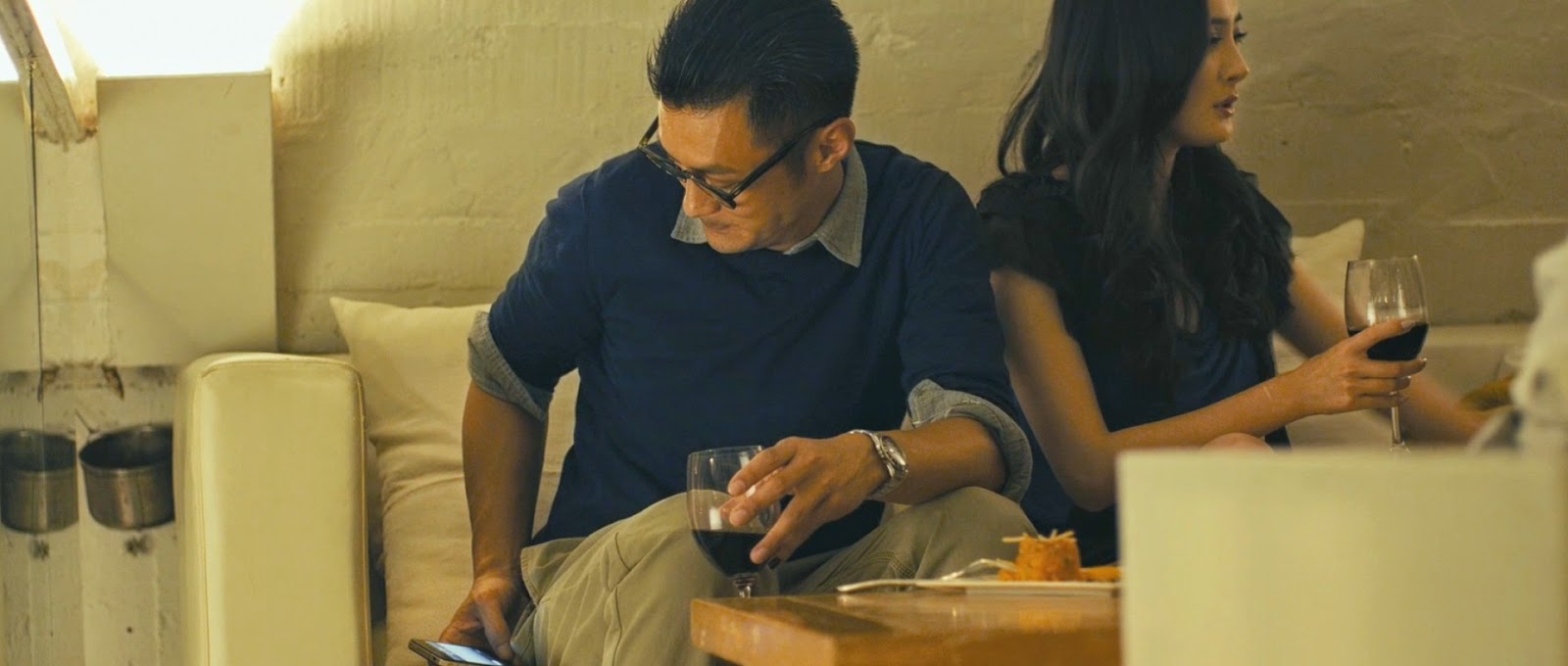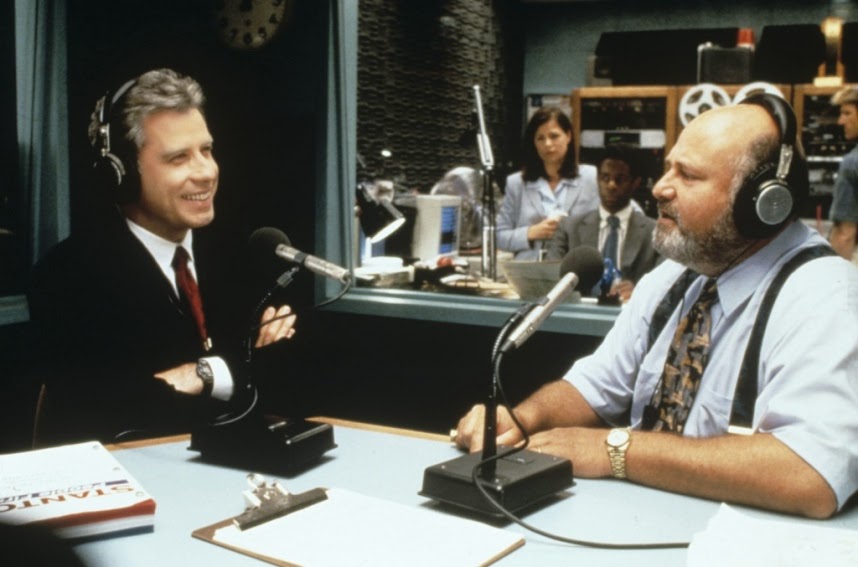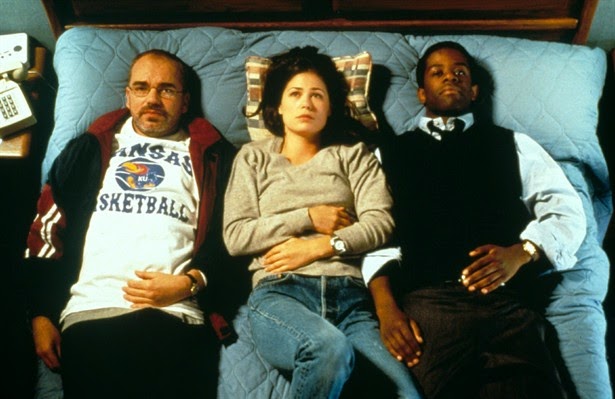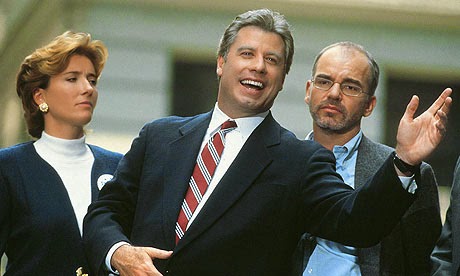
The Best 2014 (and 2013) Movies of the Year (So Far)

As I did last year, this is going to be two lists. The first is the Best Films of 2014 (So Far), which is a pretty small list as I’ve only seen 10 movies that were first released this year. This is the Top Five, with links to where I’ve written and/or talked about them.

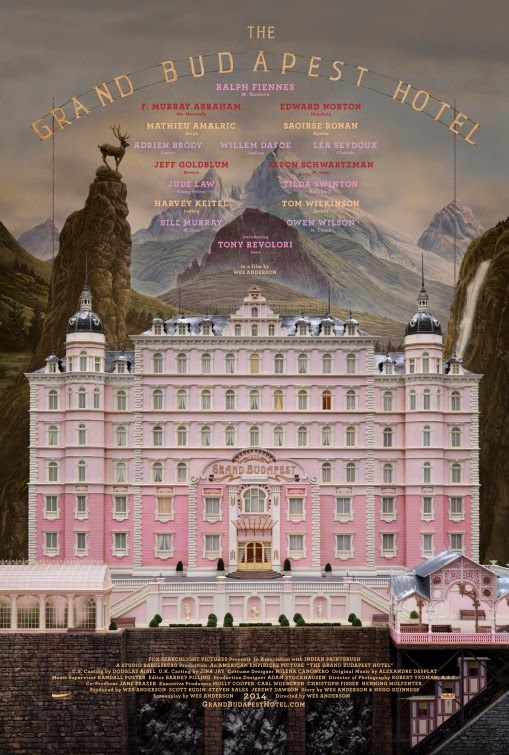
1. The Grand Budapest Hotel (Wes Anderson)

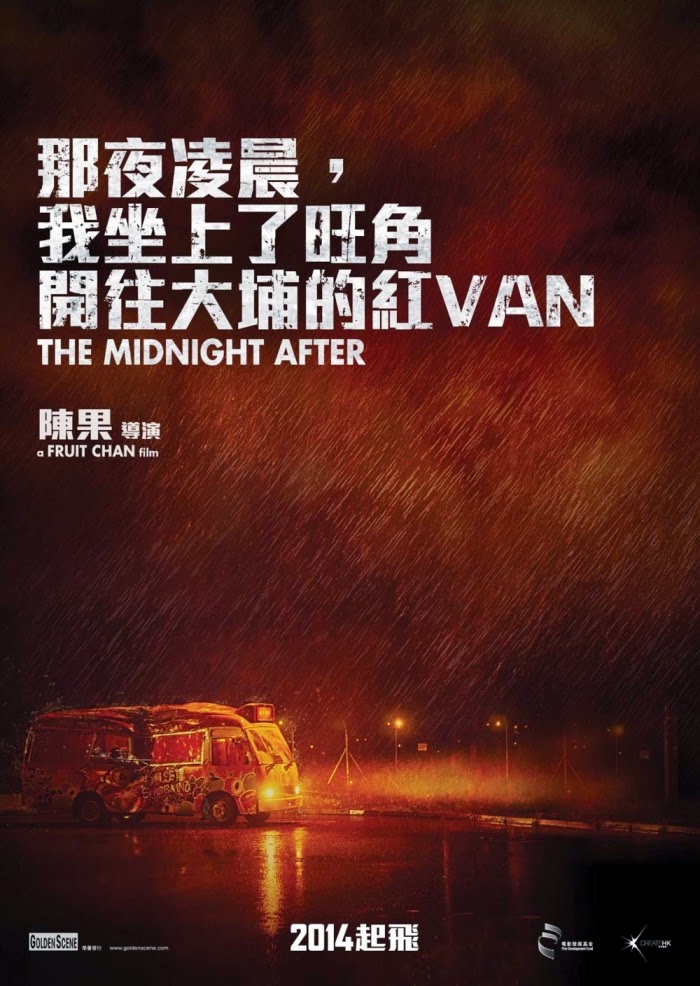
2. The Midnight After (Fruit Chan)

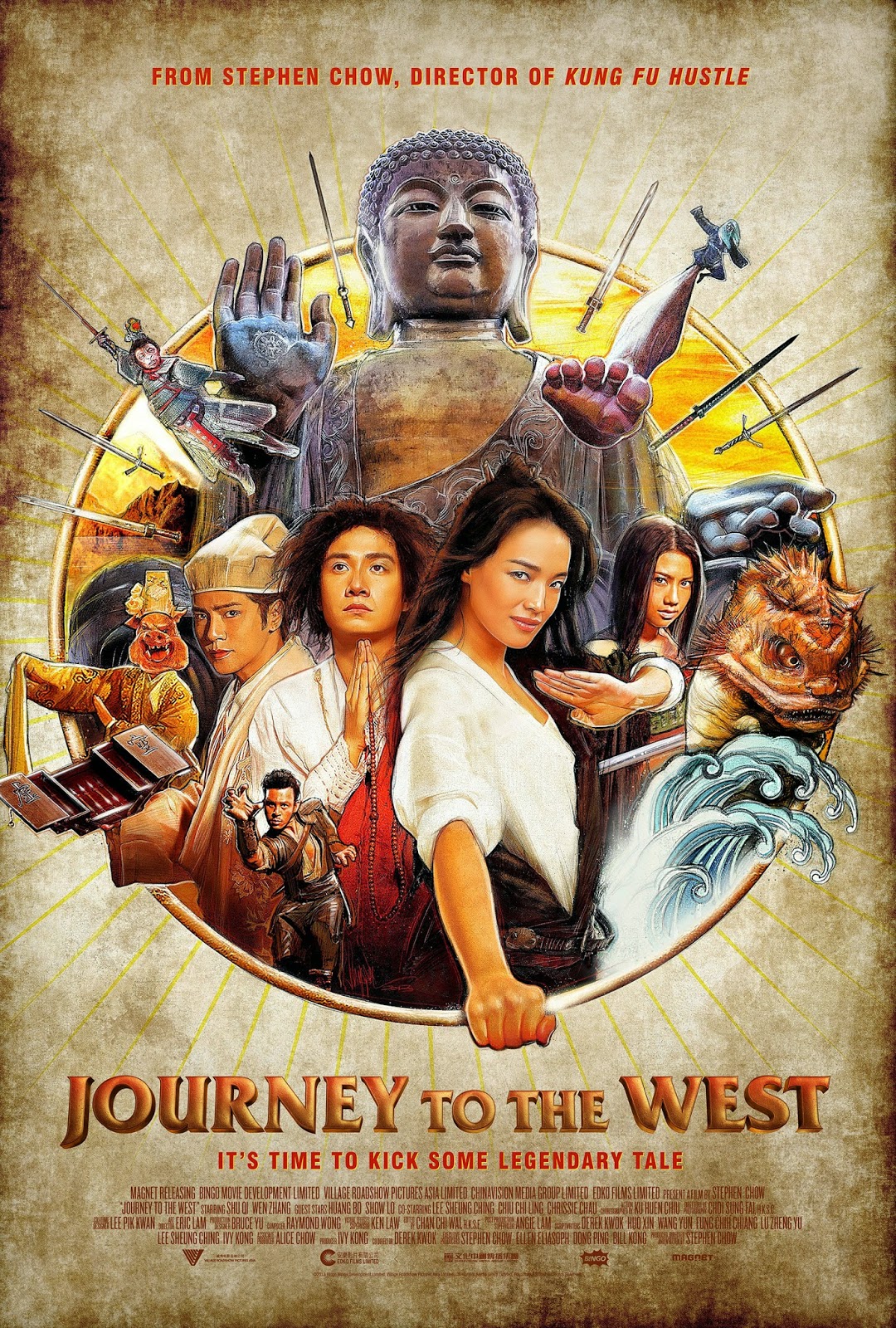
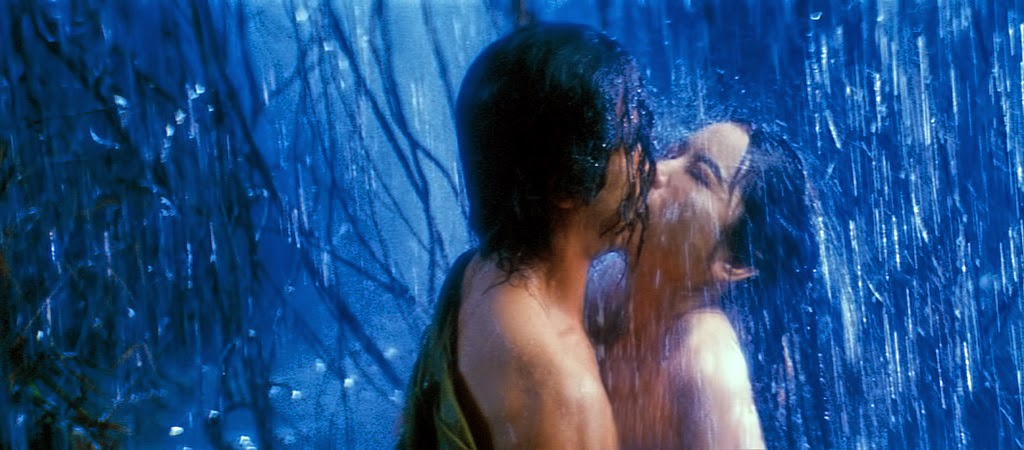
3. Journey to the West (Tsai Ming-liang)

4. Boyhood (Richard Linklater)

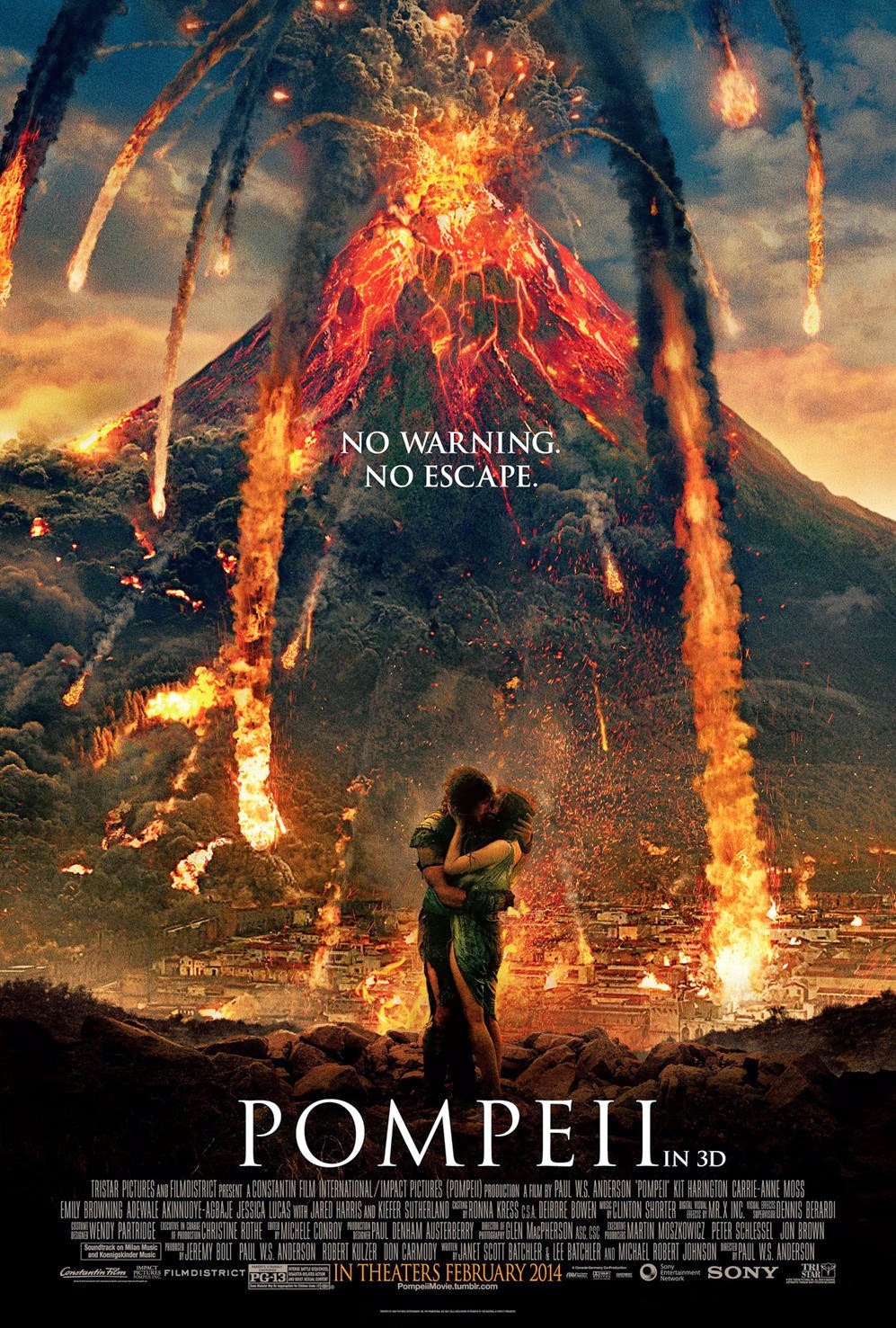
5. Pompeii (Paul WS Anderson)

The other list is the Best 2013 Films of 2014 (So Far), which includes all those movies that were first released last year but only made it to a general audience venue in the US in the past six months. These are all officially part of the 2013 section of my year-by-year rankings, but you may find them on the 2014 lists of the temporally confused or negligent.

1. La última película (Raya Martin & Mark Peranson)

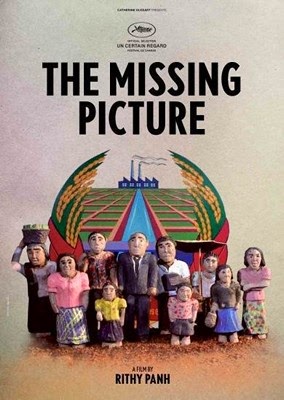
2. The Missing Picture (Rithy Panh)

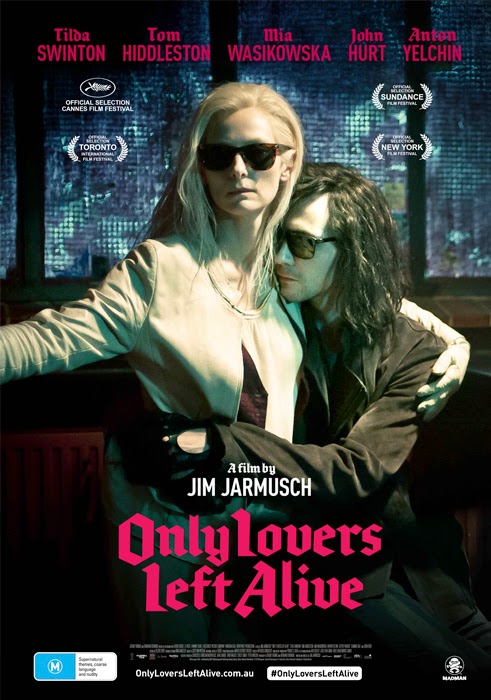
3. Only Lovers Left Alive (Jim Jarmusch)

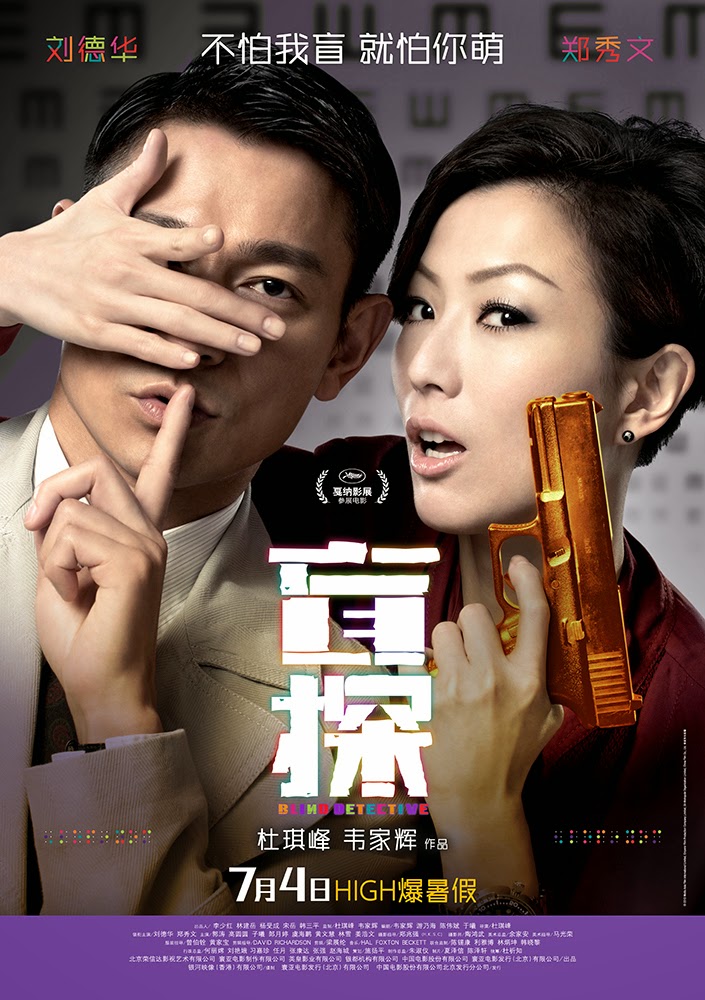
4. Blind Detective (Johnnie To)

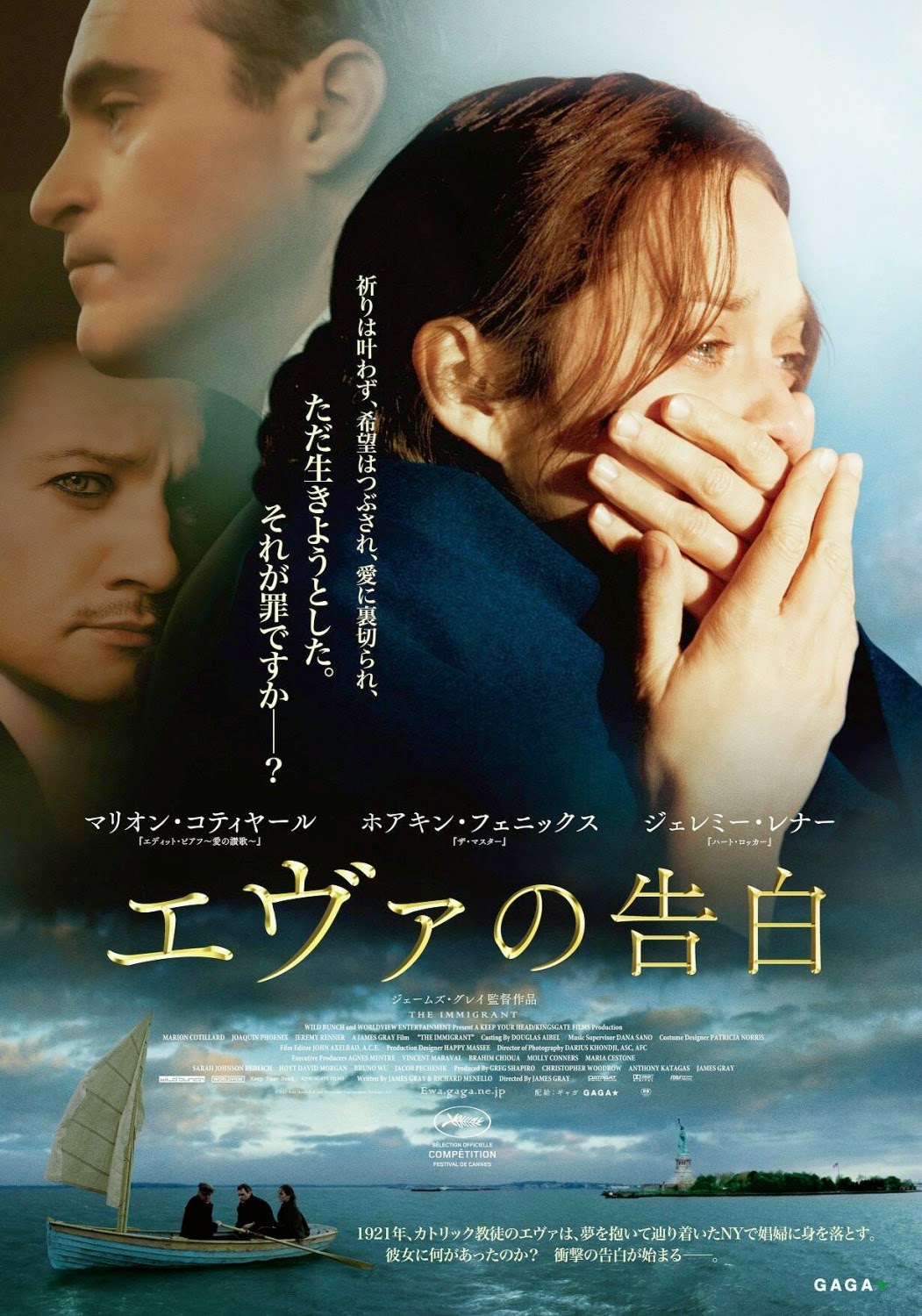
5. The Immigrant (James Gray)

6. Journey to the West: Conquering the Demons (Stephen Chow)

7. Stray Dogs (Tsai Ming-liang)

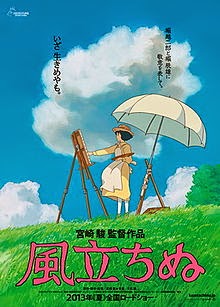
8. The Wind Rises (Hayao Miyazaki)

9. A Spell to Ward Off the Darkness (Ben Rivers & Ben Russell)

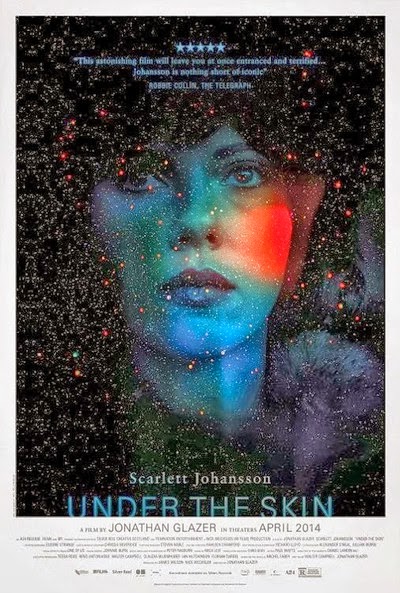
10. Under the Skin (Jonathan Glazer)

This Week in Rankings

Between buying one house, moving into it and selling another house, updates have been spotty around here lately. I made it to a few films at this year’s Seattle International Film Festival, with written reviews here of The Midnight After, Night Moves and Unforgiven, and the rest covered on our Festival Episode of The George Sanders Show. I also did an episode of They Shot Pictures on Lau Kar-leung (here’s a review of his Martial Club, and here’s a general Lau Index). I also wrote a bit about the Terminator movies and The Bride with White Hair and put together a whole bunch of lists of War Movies.

These are the movies I’ve watched at rewatched over the last several weeks and where they place on my year-by-year rankings. Short reviews for almost all of them, along with various lists and stuff, can be found over at letterboxd.

Symphonie diagonale (Viking Eggling) – 11, 1924
Foreign Correspondent (Alfred Hitchcock) – 21, 1940
Meshes of the Afternoon (Maya Deren & Alexander Hammid) – 5, 1943
Hatari! (Howard Hawks) – 7, 1962
The Love Eterne (Li Han-hsiang) – 7, 1963

Dead End (Chang Cheh) – 4, 1969
The Singing Thief (Chang Cheh) – 16, 1969
The Sword (Jimmy Wang Yu) – 29, 1971
The Spiritual Boxer (Lau Kar-leung) – 11, 1975
Challenge of the Masters (Lau Kar-leung) – 14, 1976

Dream of the Red Chamber (Li Han-hsiang) – 8, 1977
The 36th Chamber of Shaolin (Lau Kar-leung) – 2, 1978
Heroes of the East (Lau Kar-leung) – 9, 1978
Shaolin Mantis (Lau Kar-leung) – 14, 1978
Dirty Ho (Lau Kar-leung) – 3, 1979

The Shadow Boxing (Lau Kar-leung) – 21, 1979
My Young Auntie (Lau Kar-leung) – 7, 1981
Martial Club (Lau Kar-leung) – 10, 1981
One from the Heart (Francis Ford Coppola) – 6, 1982
Legendary Weapons of China (Lau Kar-leung) – 12, 1982

Legend of a Fighter (Yuen Wo-ping) – 19, 1982
Cat vs. Rat (Lau Kar-leung) – 36, 1982
The Lady is the Boss (Lau Kar-leung) – 18, 1983
Eight Diagram Pole Fighter (Lau Kar-leung) – 3, 1984
The Terminator (James Cameron) – 11, 1984

Beverly Hills Cop (Martin Brest) – 32, 1984
Big Trouble in Little China (John Carpenter) – 14, 1986
Three Amigos (John Landis) – 31, 1986
Martial Arts of Shaolin (Lau Kar-leung) – 41, 1986
White Hunter, Black Heart (Clint Eastwood) – 12, 1990

Tiger on the Beat 2 (Lau Kar-leung) – 47, 1990
Terminator 2: Judgement Day (James Cameron) – 37, 1991
Last Action Hero (John McTiernan) – 15, 1993
The Bride with White Hair (Ronny Yu) – 16, 1993
Drunken Master III (Lau Kar-leung) – 63, 1994

Virgin Stripped Bare by Her Bachelors (Hong Sangsoo) – 7, 2000
Legend of the Fist: The Return of Chen Zhen (Andrew Lau) – 14, 2010
Pitch Perfect (Jason Moore) – 15, 2012
The Immigrant (James Gray) – 7, 2013
Night Moves (Kelly Reichardt) – 42, 2013

Unforgiven (Lee Sang-il) – 54, 2013
The Midnight After (Fruit Chan) – 2, 2014
Black Coal, Thin Ice (Diao Yinan) – 6, 2014
Transformers: The Premake (Kevin B. Lee) – 7, 2014
Once Upon a Time in Shanghai (Wong Ching-po) – 8, 2014

Lau Kar-leung

The latest episode of They Shot Pictures went up today, wherein I talk about Hong Kong kung fu director Lau Kar-leung with Matt Lynch and CJ Roy. You can listen to or download the show over at the podcast website or via iTunes.

Along with that, I decided to index the various reviews of Lau’s movies I’ve written over the last year and a half, most of which were part of the Summer of Sammo and Running Out of Karma series (I did a similar index earlier this year for Tsui Hark).

Long Reviews:

Executioners from Shaolin (Lau, 77) – Dec 21, 2012
Mad Monkey Kung Fu (Lau, 79) – Dec 27, 2012
Dirty Ho (Lau, 76) – Jun 30, 2013
The Spiritual Boxer (Lau, 75) – Jul 15, 2013
Martial Club (Lau, 81) – Jun 11, 2014

Capsules:

Drunken Master II (Lau, 94) – Jun 26, 2013
Challenge of the Masters (Lau, 76) – Jun 29, 2013
Tiger on the Beat (Lau, 88) – Jul 01, 2013
Eight Diagram Pole Fighter (Lau, 84) – Jul 03, 2013
Drunken Monkey (Lau, 03) – Jul 08, 2013

The Spiritual Boxer (Lau Kar-leung, 75) – Jun 06, 1014
Black Coal, Thin Ice (Diao Yinan, 14) – Jun 07, 2014
Challenge of the Masters (Lau Kar-leung, 76) – Jun 09, 2014
The Love Eterne (Li Han-hsiang, 63) – Jun 11, 2014

The Shadow Boxing (Lau Kar-leung, 79) – Jun 12, 2014
Cat vs. Rat (Lau Kar-leung, 82) – Jun 14, 2014
Heroes of the East (Lau Kar-leung, 78) – Jun 15, 2014
My Young Auntie (Lau Kar-leung, 81) – Jun 16, 2014
Shaolin Mantis (Lau Kar-leung, 78) – Jun 17, 2014

The Lady is the Boss (Lau Kar-leung, 83) – Jun 17, 2014
Martial Arts of Shaolin (Lau Kar-leung, 86) – Jun 18, 2014
The 36th Chamber of Shaolin (Lau Kar-leung, 78) – Jun 19, 2014
Drunken Master III (Lau Kar-leung, 94) – Jun 20, 2014
Tiger on the Beat 2 (Lau Kar-leung, 90) – Jun 20, 2014

The Dream of the Red Chamber (Li Han-hsiang, 77) – Jun 21, 2014
Eight Diagram Pole Fighter (Lau Kar-leung, 84) – Jun 21, 2014
Dirty Ho (Lau Kar-leung, 79) – Jun 22, 2014

Running Out of Karma: Ronny Yu’s The Bride with White Hair

Running Out of Karma is my on-going series on Johnnie To and Hong Kong cinema. Here is an index.

All the same comic book mythology elements as so many other post-Zu: Warriors from the Magic Mountain wuxia films, A Chinese Ghost Story, Swordsman II and Ashes of Time in particular, but director Ronny Yu slows the pace down, both in plot and editing, which allows more time to take in the phantasmagoric visuals (Hong Kong blues and reds dominate of course) and the pure melodrama of the doomed romance plot. Li Han-hsiang’s 1977 Dream of the Red Chamber (an early starring role for Brigitte Lin, seen here at the pinnacle of her career) similarly revels in tragedy, spending most of its final half on just a few scenes as the lovers lament the forces that have led to their destruction, teasing out the anguish to epic lengths. Something similar is at work here, mounting a different kind of sensory assault than the Tsui Hark-Ching Siu-tung whiplash school (as in Ching and Johnnie To’s Heroic Trio films, also released in 1993). Yu appears to have conceived this as less a wuxia film (though it takes place in the world of flying Wu Tang swordsmen and enchanted Siamese twin devils) and more a purely tragic romance, a Romeo and Juliet tale, but with demons and magic and stuff.

Set at the end of the Ming Dynasty, the invasion of the Manchurian Qing forms the background for the tale (though it could just as well have been set 1500 years earlier, at the dawn of the Qin Dynasty for how ancient its world seems). Leslie Cheung is the favored student of the head of the 8 Clans, a confederacy of martial arts organizations (he’s part of the, ahem, Wu Tang Clan). But, as he tells us in wistfully voice-overed flashbacks that were a Cheung trademark, he’s a more sensitive and romantic soul than the hardened warriors that surround him, barely interested in joining in the Clans’ various wars (versus the Qing as well as more supernatural enemies). When he meets Brigitte Lin, a Wolf Girl (literally she was raised by wolves), they fall in love, despite the fact that she’s the top assassin for the Evil Cult (a name which I assume sounds better in Chinese), which are bent on destroying the 8 Clans.

Lin and Cheung spend a lengthy idyll together in a cave under a waterfall, frolicking and sucking out poison and making grand pledges to the gods and the elements. But eventually they must return to their respective sides and ask to be set free so they can withdraw from worldly wars and just hang out together, possibly somewhere dry. This leads to the film’s greatest (only?) act of heroism, as Lin walks out of the Evil Cult, across hot coals and through a gauntlets of murderous savages beating her with sticks (she’s not allowed to use her kung fu, she has to leave like a normal common person). But, tragically of course, Cheung does not match her commitment. He returns home to find most of the rest of the Wu Tang slaughtered, including his master. Everyone assumes Lin did it (because she’s the assassin for the Evil Cult) and when Cheung asks her and she denies it, he doesn’t believe her. As is to be expected, this act of betrayal, of faithlessness on Cheung’s part, turns Lin into a witch with ghostly white hair which she then uses to kill all the rest of the Wu Tang.

Even still, she returns at the end to save Cheung from the Siamese twins. The film ends inclusively (there was a sequel, directed by David Wu, released later a few months later in 1993). Cheung had been telling us the story ten years in the future, where he’s apparently spent the intervening decade sitting on a melancholy rock waiting for a magic flower to bloom, quietly singing pop ballads to himself, and thinking about how terrible men are. The credits roll over highlights from the movie we’ve just seen, Cheung’s song on the soundtrack, a flashback of a flashback.

Running Out of Karma: Lau Kar-leung’s Martial Club

Running Out of Karma is my on-going series on Johnnie To and Hong Kong cinema. Here is an index.

In the prologue to this 1981 film, Lau Kar-leung himself comes on stage to tell us about some of the unwritten rules of lion-dancing, the ways one dancer can offend another and thus incite a brawl (blinking your eyes, lifting a leg, sniffing the other lion’s butt). The next scene then involves just such a lion dance, where one club intentionally provokes another, nearly leading to an all-out brawl. Explanation followed by narrative demonstration.
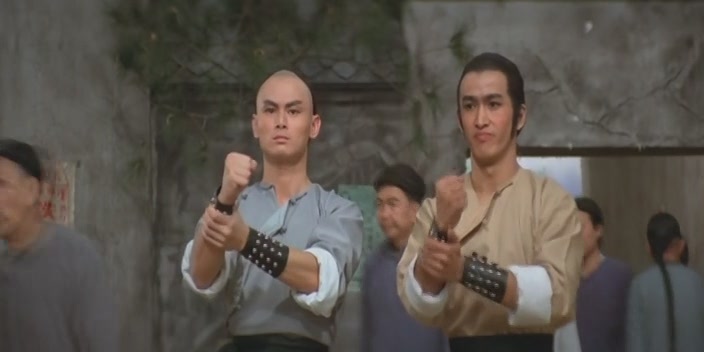
The bulk of the movie though (in fact we never really return to lion-dancing) follows Gordon Liu as the young Wong fei-hung (reprising his role from Lau’s earlier Challenge of the Masters, though this doesn’t appear to be considered a direct sequel) as he and his buddy (Hsiao Hou) from a rival club engage in friendly competition and raise the ire of another, more evil school. At stake is the respect of a visiting Northern kung fu master (played by Wang Lung-wei, who played one of the primary villains in Chang Cheh’s Shaolin cycle), invited by the evil school to help give them an edge in prestige versus their Southern rivals, led by Wong’s father’s school. The plot then revolves around the intricacies of the social codes that the clubs have established for themselves, the esoteric ways in which they can be violated, and the clever means the up-standing heroes have of resolving the conflicts with minimal bloodshed.

Similarly, Lau explores the intricacies of Wong’s Hung Gar fighting style, notably in the film’s final fight, set in a narrow alleyway. Lau and Liu demonstrate how the different modes of the technique are designed for confined spaces (6 feet, 4 feet, and less), spaces endemic to the overcrowded cities of the South (Guangzhou and Hong Kong in particular) neatly conveying not merely the spectacle of actors doing cool stuff on screen, but the ideology behind why the actor is moving the way he is. No major director is better able to utilize the kung fu film as pedagogic tool than Lau Kar-leung, or more insistent about doing so.

Thus we get not merely and explication of the ideology governing the martial clubs, but an explanation of the ideology governing the specific martial art practiced by Wong Fei-hung (a real person, remember: his disciple Lam Sai-wing was the teacher of Lau Cham, who was the father and adopted father of Lau Kar-leung and Gordon Liu, respectively). Like Challenge of the Masters, it presents the heroic ideal version of Wong (far from Yuen Wo-ping and Jackie Chan’s irreverent Drunken Master), a young version of the Confucian patriarch played by Kwan Tak-hing in dozens of films from the 1940s through the 1960s. As such it is a conservative film, or at least a classicist one, attempting to preserve and record an ideology that was quickly on the way out. Codes in Hong Kong films are usually there to be subverted: their contradictions teased out in melodramas that inevitably lead to tragedy and death, heroic bloodshed. Here Lau gives us an alternative to the Chang Cheh/John Woo/Johnnie To tradition, one where it is possible to navigate the competing interests and loyalties and drives of the martial world without anyone having to die, heroically or otherwise. But it takes a Wong Fei-hung to do it.

SIFF 2014 Index

This is an index of my coverage of the 2014 Seattle International Film Festival:

Reviews:

The Midnight After (Fruit Chan, 14) – May 25, 2014
Night Moves (Kelly Reichardt, 13) – May 27, 2014
Unforgiven (Lee Sang-il, 13) – May 28, 2014

Capsules:

Once Upon a Time in Shanghai (Wong Ching-po, 14) – May 28, 2014
Black Coal, Thin Ice (Diao Yinan, 14) – Jun 07, 2014

Podcast:

The George Sanders Show #37: The 2014 Seattle International Film Festival

Ranking:

1. The Midnight After
2. Black Coal, Thin Ice
3. Once Upon a Time in Shanghai
4. Night Moves
5. Unforgiven

SIFF 2014: Unforgiven

I don’t know that the world particularly needed a remake of Unforgiven set in Japan, but here is one and it’s fine I guess. It follows Clint Eastwood’s 1992 masterpiece almost scene for scene, with a few variations. An old retired killer is brought back by a friend to help collect the ransom on two ranchers who sliced up a whore. They’re joined on the quest by a young man who talks a big game but maybe isn’t so experienced as he sounds. They’re opposed by the local magistrate (not sure his exact title, everyone calls him “Chief”) an old fighter himself gone legitimate but no less sadistic.

Eastwood’s film is dark and brutal, leavened by some deadpan comedy, a tour de force performance from Gene Hackman, and a sly encapsulation of the history of the Western genre, as seen through the eyes of a pulp writer played by Saul Rubinek. We see the stories of gunfighters on the range with increasing “realism” as first the classical myth (promulgated by Richard Harris’s English Bob) is deflated by Hackman’s revisionism, and then by Eastwood’s nihilism. Violence in Harris’s world is a matter of honor, in Hackman’s it is low comedy and psychological horror and in Eastwood’s it is simply a matter of drunken chance. Eastwood deconstructs the genre to its core, laying bare the senseless heart of America’s conquest of the West.

None of that really translates to director Lee Sang-il’s remake, however. He sets the film 13 years into the Meiji period, in the late 19th century, a period of rapid modernization in Japan when the last vestiges of the Tokugawa Shogunate were swept away in favor of industry and railroads following the forcible opening up of Japan to the West in the 1850s and 60s. The film begins slightly before that, with Meiji troops hunting down former samurai and executing them, the samurai being the ruling class of the Tokugawa era and symbolic of the kind of feudalism the new government was attempting to erase. Our hero, Jubei, played by a stolid Ken Watanbe, is one of these fleeing samurai. Set on the far northern island of Hokkaido, among the indigenous Ainu people, Lee finds neat equivalents to the industrialization of the American West and the extermination of its own indigenous peoples.

But none of that really translates into a generic critique. There are nods to previous samurai films, most notably in the young man (an Ainu himself) who joins Jubei and his old friend Kingo on the mission, who does a reasonable impression of Toshiro Mifune in Seven Samurai. His bluster, his beard scratching, his drunken wobbling and more are lifted straight from Kurosawa’s film, rather than sourced in the Eastwood movie. Mifune plays a farmer who joins the samurai in their defense of a village and after constantly butting up against their rigid social codes ends up distinguishing himself as perhaps the bravest of them all. In equating the young Ainu with this character, Lee sets up an implicit genre statement, but fails to fully explore it. In Eastwood’s original, the young man has grown up enamored with the romance of the Western gunfighter. He poses as a badass killer, but when faced with the actual reality of such a life decides that it is not for him, it’s simply too horrible. The Ainu follows a similar arc, but it’s unclear if Lee means this as a specific refutation of Kurosawa’s hero. If so, it’s a poor analogy (a man serving in defense of a helpless village and an extra-legal bounty killing hardly amount to the same thing).

More underdeveloped though is the writer character. Not that there wasn’t opportunity here, as samurai literature and the ethos it promulgated is as essential to Japanese history as Western literature is to America, especially considering the ways in which the samurai code was twisted in the run-up to Japan’s imperialist wars of the 1930s and 40s. But while Lee includes the writer character, there’s no clear sense of the generic or philosophic distinctions between the three swordsmen he follows. The initial one, traditionally dressed, speaking of clan wars, is a good analogue to English Bob, and the Chief effectively captures the thin veneer of institutional authority the Hackman character uses to legitimize his sadism (if never becoming as unhinged as Hackman does), But Watanabe’s character doesn’t come across as a new generic type in the way Eastwood’s does. A lot of the dialogue is missing (the “He shoulda armed himself” joke and Eastwood’s explanation that he didn’t have a plan for who to shoot first, he was just lucky) and the film gives us a different ending. Rather than a world ruled by randomness, Lee’s ending gives us a brutal world, one in which a killer is let loose, marching angrily throughout he snow in extreme close up, finally cut off from his civilizing family. A man to be feared. Eastwood gave us a killer of women and children who runs a profitable dry goods store in San Francisco.

The result then is less than satisfactory. The multiple levels that Eastwood’s film operates on justify its deliberate pace and gnarled story structure. The time we spend in the world pays off in the genre-shattering climax, notable not for its violence, but for its break with both tradition and the long quiet moments and mournful landscapes that preceded it. Lee’s film, though, without that extra layer of subversion, ends up being just a long slow build to a very gory conclusion, the spare guitar of Eastwood’s score replaced by a melodramatic orchestra.

SIFF 2014: Night Moves

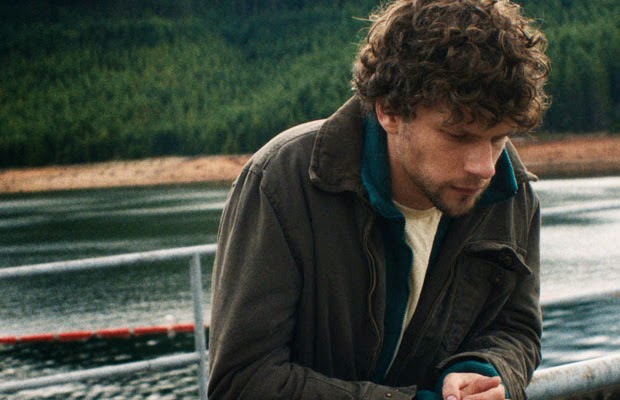
I was unprepared for Kelly Reichardt to take a left turn into conventionality after the greatness that was Meek’s Cutoff. Jesse Eisenberg sulks his way through the movie as the least charismatic radical environmentalist in history. The first half of the movie or so, as Eisenberg, Peter Sarsgard and Dakota Fanning plan and execute their operation, is a pretty solid minimalist suspense movie. The aftermath however locks us into Eisenberg’s POV and it becomes apparent just how much more interesting those other characters were. As a case study of a certain kind of sociopathic weirdo (the kind with extremely leftist politics I guess) it’s fine, but doesn’t really go anywhere all that interesting. “Hippies are creeps too” isn’t particularly enlightening (another reading: “all men are creeps, even the guys that are totally into sustainable agriculture”, even less so). Sarsgard has the least amount of screen time yet leaves the most lasting impression, with Fanning and Eisenberg lost in their polar opposite approaches to overacting (she’s all motion and tics and nervousness, he’s all mopey eyes, clenched jaw and evil brow). The supporting cast (headed by Alia Shawkat and James LeGros) brings the much needed humor and humanity, but not enough of it.

The Best War Movies of All-Time

One of the first in-depth things I ever wrote here at The End was this look at Saving Private Ryan, shortly before Memorial Day way back in 2007. That was a couple lifetimes ago in internet terms, but I stand by most if not all of what I wrote then (there was a glaring error in character identification pointed out to me in a comment, for example), which basically amounted to “Saving Private Ryan is not a good movie and there are a lot of war movies that are a lot better”. At the end of the essay, I appended a list of 53 war movies from the previous 50 years I had seen that I thought were “better” than Saving Private Ryan: some acknowledged classics (Apocalypse Now, Lawrence of Arabia), some relative obscurities (Hell in the Pacific, Zulu), some controversial picks (Pearl Harbor). A year later I updated the list, this time including all of film history and splitting up the group by conflict (World War I Movies, American Civil War movies, etc). I didn’t do a full ranking of all of them together, but I estimated at that time Saving Private Ryan was about the 100th best war movie of all-time.

Well, this Memorial Day Weekend I feel it’s time for an update. I’m going to break down all the war movies I’ve seen by general category here, with a combined ranked Top 150 list posted over at Letterboxd. I don’t have a strict generic definition of “war movie”, as with every other ranking, I’m just playing it by ear. I’m probably omitting some obvious ones, but as best I can tell, these are the war movies I’ve seen.

World War I:

1. Lawrence of Arabia (David Lean, 1962)
2. The Grand Illusion (Jean Renoir, 1937)
3. The Big Parade (King Vidor, 1925)
5. The Dawn Patrol (Howard Hawks, 1930)
4. 7th Heaven (Frank Borzage, 1927)
6. Pilgrimage (John Ford, 1933)
7. All Quiet on the Western Front (Lewis Milestone, 1930)
8. The African Queen (John Huston, 1951)
9. Gallipoli (Peter Weir, 1981)
10. Lucky Star (Frank Borzage, 1929)
11. War Horse (Steven Spielberg, 2011)
12. Wings (William Wellman, 1927)
13. The Four Horsemen of the Apocalypse (Rex Ingram, 1921)
14. Paths of Glory (Stanley Kubrick, 1957)
15. What Price Glory? (Raoul Walsh, 1926)
16. Sergeant York (Howard Hawks, 1941)
17. A Farewell to Arms (Frank Borzage, 1932)
18. The Lost Patrol (John Ford, 1934)
19. Dark Journey (Victor Saville, 1937)
20. A Very Long Engagement (Jean-Pierre Jeunet, 2004)

The Middle Ages (More or Less):

1. Chimes at Midnight (Orson Welles, 1965)
2. Robin and Marian (Richard Lester, 1976)
3. Die Nibelungen (Fritz Lang, 1924)
4. Alexander Nevsky (Sergei Eisenstein, 1938)
5. Culloden (Peter Watkins, 1964)
6. Henry V (Kenneth Branagh, 1989)
7. Excalibur (John Boorman, 1981)
8. Henry V (Laurence Olivier, 1944)
9. Centurion (Neil Marshall, 2010)
10. The Messenger (Luc Besson, 1999)
11. Braveheart (Mel Gibson, 1995)
12. Saint Joan (Otto Preminger, 1957)
13. Kingdom of Heaven (Ridley Scott, 2005)
14. Robin Hood: Prince of Thieves (Kevin Reynolds, 1991)

The American Civil War:

1. The General (Buster Keaton & Clyde Bruckman, 1926)
2. The Good, the Bad & the Ugly (Sergio Leone, 1966)
3. Gone with the Wind (Victor Fleming, 1939)
4. The Tall Target (Anthony Mann, 1951)
5. Band of Angels (Raoul Walsh, 1957)
6. Glory (Edward Zwick, 1989)
7. Ride with the Devil (Ang Lee, 1999)
8. Springfield Rifle (André de Toth, 1952)
9. The Horse Soldiers (John Ford, 1959)
10. Gettysburg (Ronald F. Maxwell, 1993)
11. Shenandoah (Andrew V. McLaglen, 1965)
12. Birth of a Nation (DW Griffith, 1915)
13. Gods and Generals (Ronald F. Maxwell, 2003)
14. Virginia City (Michael Curtiz, 1940)
15. Santa Fe Trail (Michael Curtiz, 1940)

American Colonial Wars:

1. Fort Apache (John Ford, 1948)
2. The Last of the Mohicans (Michael Mann, 1992)
3. Heaven’s Gate (Michael Cimino, 1980)
4. She Wore a Yellow Ribbon (John Ford, 1949)
5. Run of the Arrow (Samuel Fuller, 1957)
6. Devil’s Doorway (Anthony Mann, 1950)
7. Sergeant Rutledge (John Ford, 1960)
8. Northwest Passage (King Vidor, 1940)
9. They Died with Their Boots On (Raoul Walsh, 1941)
10. Drums Along the Mohawk (John Ford, 1939)
11. Rio Grande (John Ford, 1950)
12. The Last of the Mohicans (George B. Seitz, 1936)
13. Cheyenne Autumn (John Ford, 1964)

British Colonial Wars:

1. Zulu (Cy Endfield, 1964)
2. The Chess Players (Satyajit Ray, 1977)
3. Wee Willie Winkie (John Ford, 1937)
4. Gunga Din (George Stevens, 1939)
5. The Man Who Would Be King (John Huston, 1975)
6. The Four Feathers (Zoltan Korda, 1939)
7. Breaker Morant (Bruce Beresford, 1980)
8. Khartoum (Basil Dearden, 1966)

French Revolution(s) and Napoleonic Wars:

1. La Commune (Paris, 1871) (Peter Watkins, 2000)
2. The Black Book (Anthony Mann, 1949)
3. Master and Commander (Peter Weir, 2003)
4. Orphans of the Storm (DW Griffith, 1921)
5. War and Peace (King Vidor, 1956)

Russian Revolution(s):

1. The Red and the White (Miklos Jancso, 1967)
2. Battleship Potemkin (Sergei Eisenstein, 1925)
3. Archangel (Guy Maddin, 1990)
4. Reds (Warren Beatty, 1981)
5. The Last Command (Josef von Sternberg, 1928)
6. October (Sergei Eisenstein, 1928)
7. Dr. Zhivago (David Lean, 1965)
8. Prisoner of the Mountains (Sergei Bodrov, 1996)

Irish Revolution(s):

1. The Wind that Shakes the Barley (Ken Loach, 2006)
2. Odd Man Out (Carol Reed, 1947)
3. Michael Collins (Neil Jordan, 1996)
4. The Informer (John Ford, 1935)
5. The Plough and the Stars (John Ford, 1936)

World War II in Europe:

1. Casablanca (Michael Curtiz, 1942)
2. The Life and Death of Colonel Blimp (Powell & Pressburger, 1943)
3. The Big Red One (Samuel Fuller, 1980)
4. Inglourious Basterds (Quentin Tarantino, 2009)
5. To Have and Have Not (Howard Hawks, 1944)
6. Rome, Open City (Roberto Rossellini, 1945)
7. Paisan (Roberto Rossellini, 1946)
8. Army of Shadows (Jean-Pierre Melville, 1969)
9. Cranes are Flying (Mikhail Kalatozov, 1957)
10. The English Patient (Anthony Minghella, 1996)
11. The Train (John Frankenheimer, 1964)
12. Bitter Victory (Nicholas Ray, 1957)
13. To Be or Not To Be (Ernst Lubitsch, 1942)
14. Patton (Franklin J. Schaffner, 1970)
15. The Mortal Storm (Frank Borzage, 1940)
16. Hangmen Also Die! (Fritz Lang, 1943)
17. A Bridge Too Far (Richard Attenborough, 1977)
18. Das Boot (Wolfgang Petersen, 1981)
19. Ashes and Diamonds (Andrzej Wadja, 1958)
20. Kanal (Andrzej Wadja, 1957)
21. Hell is for Heroes (Don Siegel, 1962)
22. The Long Voyage Home (John Ford, 1940)
23. Once Upon a Honeymoon (Leo McCarey, 1942)
24. Lifeboat (Alfred Hitchcock, 1944)
25. The Sorrow and the Pity (Marcel Ophuls, 1969)
26. Come and See (Elem Klimov, 1985)
27. The Dirty Dozen (Robert Aldrich, 1967)
28. A Time to Love and a Time to Die (Douglas Sirk, 1958)
29. The Great Dictator (Charles Chaplin, 1940)
30. Passage to Marseille (Michael Curtiz, 1944)
31. Man Hunt (Fritz Lang, 1941)
32. Foreign Correspondent (Alfred Hitchcock, 1940)
33. The Story of GI Joe (William Wellman, 1945)
34. The Small Back Room (Powell & Pressburger, 1949)
35. Five Graves to Cairo (Billy Wilder, 1943)
36. This Land is Mine (Jean Renoir, 1943)
37. Battleground (William Wellman, 1949)
38. Fixed Bayonets! (Samuel Fuller, 1951)
39. The Longest Day (Various, 1962)
40. Schindler’s List (Steven Spielberg, 1993)
41. Catch-22 (Mike Nichols, 1970)
42. Ill Met By Moonlight (Powell & Pressburger, 1957)
43. Night Train to Munich (Carol Reed, 1940)
44. Sundown (Henry Hathaway, 1941)
45. Judgement at Nuremburg (Stanley Kramer, 1961)
46. A Walk in the Sun (Lewis Milestone, 1945)

47. Closely Watched Trains (Jiri Menzel, 1966)
48. Ministry of Fear (Fritz Lang, 1944)
49. The Guns of Navarone (J. Lee Thompson, 1961)
50. Stalag 17 (Billy Wilder, 1953)

51. Europa Europa (Agnieszka Holland, 1990)
52. Saving Private Ryan (Steven Spielberg, 1998)
53. A Midnight Clear (Keith Gordon, 1992)
54. Victory (John Huston, 1981)
55. Captain America (Joe Johnston, 2011)
56. Where Eagles Dare (Brian G. Hutton, 1968)
57. The Heroes of Telemark (Anthony Mann, 1965)
58. Atonement (Joe Wright, 2007)
59. The Enemy Below (Dick Powell, 1957)
60. Mission to Moscow (Michael Curtiz, 1943)
61. The Hill (Sidney Lumet, 1965)
62. Watch on the Rhine (Herman Shumlin, 1943)

World War II in the Pacific:

1. The Thin Red Line (Terrence Malick, 1998)
2. They Were Expendable (John Ford, 1945)
3. Merry Christmas, Mr. Lawrence (Nagisa Oshima, 1983)
4. Hell in the Pacific (John Boorman, 1968)
5. Air Force (Howard Hawks, 1943)
6. The Saga of Anatahan (Josef von Sternberg, 1953)
7. Empire of the Sun (Steven Spielberg, 1987)
8. No Regrets for Our Youth (Akira Kurosawa, 1946)
9. The Battle of Midway (John Ford, 1942)
10. Flags of Our Fathers (Clint Eastwood, 2006)
11. Sands of Iwo Jima (Allan Dwan, 1949)

12. Objective: Burma! (Raoul Walsh, 1945)

13. Flying Leathernecks (Nicholas Ray, 1951)

14. Letters from Iwo Jima (Clint Eastwood, 2006)
15. China Girl (Henry Hathaway, 1942)
16. Wake Island (John Farrow, 1942)
17. Bridge on the River Kwai (David Lean, 1957)
18. Beach Red (Cornel Wilde, 1967)
19. Back to Bataan (Edward Dmytryk, 1945)
20. Too Late the Hero (Robert Aldrich, 1970)
21. From Here to Eternity (Fred Zinnemann, 1953)
22. Never So Few (John Sturges, 1959)
23. Pearl Harbor (Michael Bay, 2001)

World War II at Home:

1. A Canterbury Tale (Powell & Pressburger, 1944)
2. Hiroshima mon amour (Alain Resnais, 1959)
3. The Best Years of Our Lives (William Wyler, 1946)
4. 49th Parallel (Powell & Pressburger, 1941)
5. Grave of the Fireflies (Isao Takahata, 1988)
6. Mrs. Miniver (William Wyler, 1942)
7. Northern Pursuit (Raoul Walsh, 1943)
8. The House on 92nd Street (Henry Hathaway, 1945)
9. Saboteur (Alfred Hitchcock, 1942)

10. In Harm’s Way (Otto Preminger, 1965)

11. Until They Sail (Robert Wise, 1957)

The Korean War:

1. The Steel Helmet (Samuel Fuller, 1951)
2. Men in War (Anthony Mann, 1957)
3. MASH (Robert Altman, 1970)

Indochina:

1. Apocalypse Now (Francis Ford Coppola, 1979)
2. The Missing Picture (Rithy Panh, 2013)
3. Bullet in the Head (John Woo, 1990)
4. Platoon (Oliver Stone, 1986)
5. Eastern Condors (Sammo Hung, 1987)
6. Full Metal Jacket (Stanley Kubrick, 1987)
7. Boat People (Ann Hui, 1982)
8. China Gate (Samuel Fuller, 1957)
9. Hearts and Minds (Peter Davis, 1974)
10. Rescue Dawn (Werner Herzog, 2006)
11. The Deer Hunter (Michael Cimino, 1978)
12. The Killing Fields (Roland Joffe, 1984)
13. The Quiet American (Joseph L. Mankiewicz, 1958)
14. Rambo: First Blood Part II (George P. Cosmatos, 1985)
15. Coming Home (Hal Ashby, 1978)
16. Good Morning, Vietnam (Barry Levinson, 1987)
17. Air America (Roger Spottiswoode, 1990)

Latin America:

1. I am Cuba (Mikhail Kalatozov, 1964)
2. The Mission (Roland Joffe, 1986)

3. Predator (John McTeirnan, 1987)
4. Salvador (Oliver Stone, 1986)
5. Che (Steven Soderberg, 2008)

6. Major Dundee (Sam Peckinpah, 1965)

7. Havana (Sydney Pollack, 1990)
8. The Alamo (John Wayne, 1960)

American Gulf Wars (and Somalia too):

1. Zero Dark Thirty (Kathryn Bigelow, 2012)
2. The Hurt Locker (Kathryn Bigelow, 2008)
3. Black Hawk Down (Ridley Scott, 2001)
4. Three Kings (David O. Russell, 1999)
5. Courage Under Fire (Edward Zwick, 1996)

French Foreign Legion:

1. Morocco (Josef von Sternberg, 1930)
2. Beau travail (Claire Denis, 1999)
3. Beau Geste (William Wellman, 1939)

Chinese Wars:

1. Good Men, Good Women (Hou Hsiao-hsien, 1995)
2. A Touch of Zen (King Hu, 1971)
3. Peking Opera Blues (Tsui Hark, 1986)
4. Shanghai Express (Josef von Sternberg, 1932)
5. Dragon Gate Inn (King Hu, 1967)
6. 7 Women (John Ford, 1966)
7. The Heroic Ones (Chang Cheh, 1970)
8. Red Cliff (John Woo, 2008)
9. The Fate of Lee Khan (King Hu, 1973)
10. Magnificent Warriors (David Chung, 1987)
11. Legend of the Fist: The Return of Chen Zhen (Andrew Lau, 2010)
12. Boxer Rebellion (Chang Cheh, 1976)
13. The Good, the Bad, the Weird (Kim Jee-woon, 2008)
14. The Bitter Tea of General Yen (Frank Capra, 1933)
15. Bodyguards & Assassins (Teddy Chan, 2009)
16. Sons of the Good Earth (King Hu, 1965)
17. 55 Days at Peking (Nicholas Ray, 1963)

Japanese Wars:

1. Seven Samurai (Akira Kurosawa, 1954)
2. Ran (Akira Kurosawa, 1985)
3. The Men Who Tread on the Tiger’s Tail (Akira Kurosawa, 1945)
4. The Hidden Fortress (Akira Kurosawa, 1958)
5. The Loyal 47 Ronin (Kenji Mizoguchi, 1941)
6. Kagemusha (Akira Kurosawa, 1980)

Mediterranean/Middle Eastern Wars:

1. The Battle of Algiers (Gillo Pontecorvo, 1966)
2. The Leopard (Luchino Visconti, 1963)
3. Ishtar (Elaine May, 1987)
4. Munich (Steven Spielberg, 2005)
5. The Spanish Earth (Joris Ivens, 1937)
6. Spirit of the Beehive (Victor Erice, 1973)
7. Senso (Luchino Visconti, 1954)
8. Spartacus (Stanley Kubrick, 1960)
9. Waltz with Bashir (Ari Folman, 2008)
10. Le petit soldat (Jean-Luc Godard, 1963)
11. Pan’s Labyrinth (Guillermo del Toro, 2006)
12. Exodus (Otto Preminger, 1960)
13. Cleopatra (Cecil B. DeMille, 1934)
14. 300 (Zack Snyder, 2007)
15. Cleopatra (Joseph L. Mankiewicz, 1963)

Fictional Wars:

1. Duck Soup (Leo McCarey, 1933)
2. The Adventures of Robin Hood (Michael Curtiz, 1938)
3. The Empire Strikes Back (Irvin Kershner, 1980)
4. Dr. Strangelove (Stanley Kubrick, 1964)
5. They Live (John Carpenter, 1988)
6. Star Wars (George Lucas, 1977)
7. Aliens (James Cameron, 1986)
8. The Road Warrior (George Miller, 1981)
9. The War Game (Peter Watkins, 1965)
10. No Greater Glory (Frank Borzage, 1934)
11. Zu: Warriors from the Magic Mountain (Tsui Hark, 1983)
12. Mars Attacks! (Tim Burton, 1996)
13. Starship Troopers (Paul Verhoeven, 1997)
14. Top Gun (Tony Scott, 1986)
15. The Warriors (Walter Hill, 1979)
16. Princess Mononoke (Hayao MIyazaki, 1998)
17. Return of the Jedi (Richard Marquand, 1983)
18. Stripes (Ivan Reitman, 1981)
19. Army of Darkness (Sam Raimi, 1993)
20. Red Dawn (John Milius, 1984)
21. Castle in the Sky (Hayao Miyazaki, 1986)
22. Things to Come (William Cameron Menzies, 1935)
23. Les carabiniers (Jean-Luc Godard, 1963)
24. War of the Worlds (Steven Spielberg, 2005)
25. Children of Men (Alfonso Cuaron, 2006)
26. The Siege (Edward Zwick, 1998)
27. Avatar (James Cameron, 2009)
28. Independence Day (Roland Emmerich, 1996)
29. Dune (David Lynch, 1984)
30. The Last Starfighter (Nick Castle, 1984)

SIFF 2014: Fruit Chan’s The Midnight After

The end of the world, maybe. A late night minibus seems to drive into the Twilight Zone: everyone else in Hong Kong disappears, and then passengers begin dying in unusual ways. Lam Suet drives the bus, Simon Yam (sporting perhaps his most incredible haircut yet) grabs a leadership role, Kara Hui spouts metaphysical mumbo jumbo about the Photon Belt and their impeding transportation (over 1000 years) to their new home near Sirius, while the younger generation (soccer fans, a junkie, punk kids, college students) have no theories as to what’s going on and no direction (the girl Yuki and boy Chi withhold possibly relevant information at every turn, a married couple apparently sees the world through soccer metaphors, a computer programmer has some tools but no idea what to do with them).

As it becomes clear that director Fruit Chan won’t gives us, or them, a clear explanation of what has happened, he offers a handful of possibilities, based on the insecurities and anxieties of contemporary Hong Kongers both primal and political: is it a Fukushima-type disaster, from a plant on the Mainland? A plot by the North Koreans (who claim to be the source of all Chinese culture)? A SARS-style epidemic? Is it somehow related to the fact that Hong Kongers are soon to be allowed to vote for their own President? Is it ghosts? Aliens? Are they ghosts? What does David Bowie have to do with it all?

Based on a serialized web novel called Lost on a Red Minibus to Taipo by PIZZA, the film is as hilarious as it is horrifying. It’s full of beautiful grotesqueries, shocking imagery (a man in a gas mask, a woman with unnaturally flowing hair, a red red rain) but the eeriest of all are the empty streets of Hong Kong. One of the most densely populated places on Earth (even at 2:30 in the morning, when the film begins) suddenly emptied of people and vehicles and noise. But what it isn’t is a concise and coherent narrative. On-screen titles give us the exact time and location of every event (like in Psycho) but that information only gives us a false sense of security, of order. Knowing the time and place is nice, but that doesn’t free you from the random whims of the universe (like in Psycho). Images and events are left unexplained: mysterious phone calls, vanished memories, flashbacks to pasts both sad and happy. Members decline to share possibly important (and bizarre) facts with the other members of the group. An impromptu justice system is established and an execution agonizingly botched. A prime mover of the first half of the story mostly disappears from the back half, his mysteries left unresolved. All of this dangling and inexplicability and incongruence is not a failure, of course, it is The Point. The film is the horror of death as Unanswered Question, and as the end of the possibility of Answering Questions.