
Jazz Binge
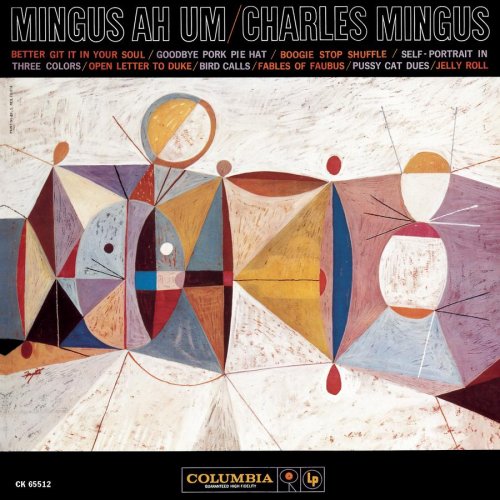
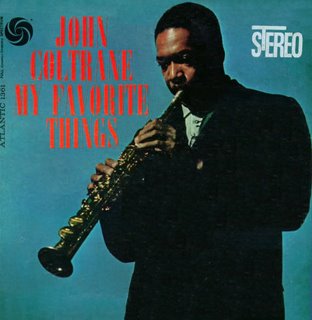
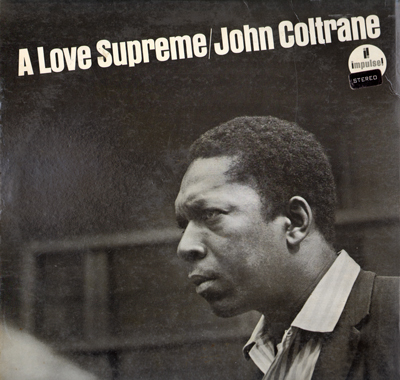
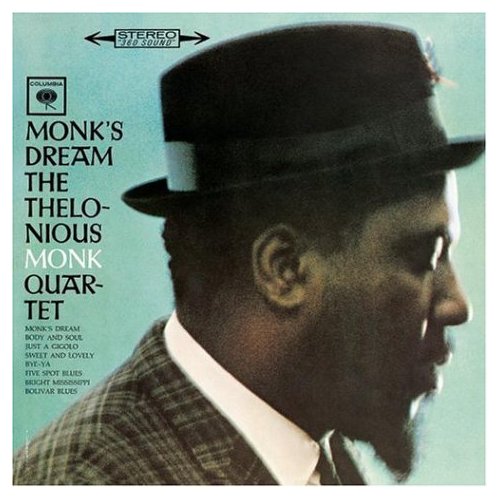
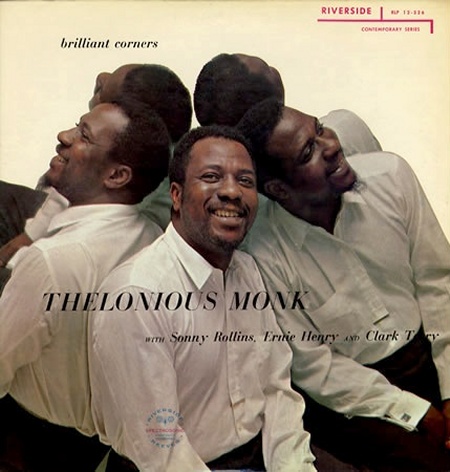
What I’ve been listening to over the last couple of weeks:









Movie Roundup: Beat St. John’s Edition
I’ve fallen way behind in capsulizing here, mostly because I’ve been spending more time over at the Metro Classics website. Our latest series started a couple weeks ago, and in conjunction with that I’ve written about Children of Paradise, Irma Vep and Leaves from Satan’s Book, as well as seven Alfred Hitchcock films. Here are the Movies of the Year rankings for the newly seen films:
Leaves from Satan’s Book – 2, 1921
Sabotage – 18, 1936
Saboteur – 18, 1942
Under Capricorn – 3, 1949
Torn Curtain – 16, 1966
Topaz – 11, 1969
Frenzy – 16, 1972
Family Plot – 10, 1976
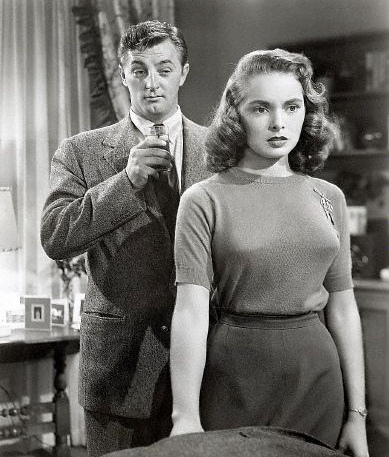
Holiday Affair – According to TCM, after getting busted for pot, the studio tried to repair Robert Mitchum’s reputation by pairing him in a Christmas-themed romantic comedy with Janet Leigh. Nothing about the resulting film should work, but it does. Mitchum plays a toy salesman who Leigh gets fired, but he doesn’t care because he’s such a free spirit (you know, because of the pot). She’s a single mom (war widow) with a boyfriend (Wendell Corey) who’s a nice guy but doesn’t really set her a-tingle. The expected result is reached, but with some satisfying twists along the way. It’s the kind of seemingly effortless romantic comedy that has apparently become impossible to make in Hollywood nowadays. We watched it on Christmas, which should tell you how far behind I am. The #18 film of 1949.

Susan Slept Here – Another Christmas movie, this one directed by Frank Tashlin and starring Debbie Reynolds as a juvenile delinquent (seriously) who gets deposited on the doorstep of Dick Powell (who we are supposed to believe is 35, but was actually 50 at the time, which is a relief, because I turn 35 this year) a screenwriter with writer’s block (the friendly cops think her life story will inspire him). Instead, Reynolds causes havoc in Powell’s life because everyone thinks they’re romantically involved, including his evil fiancée (Anne Francis). And when Reynolds and Powell get married in Vegas, things get really zany. It’s a fun film, and Tashlin keeps things more interesting than you’d expect from a film based on a play that’s set almost entirely in one apartment, and Powell fits the material better than you’d think he would, though, like with The Girl Can’t Help It and Will Success Spoil Rock Hunter?, I think Jack Lemmon would have been better. The #18 film of 1954.
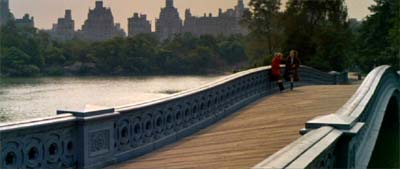
The World of Henry Orient – A very sweet coming of age film set in a fantasy world New York where two pretty teenaged girls are free to pretty much run all over the city with no horrible consequences. They develop a crush on concert pianist Henry (played by Peter Sellers) and start stalking him, which repeatedly complicates his attempts to sleep with a married woman and twists him into a paranoid frenzy. It has all the emotional sincerity and darkness of adolescence, especially in the girls’ contrasting relationships with their parents, and the two leads, Tippy Walker and Merrie Spaeth are very good. The #14 film of 1964.
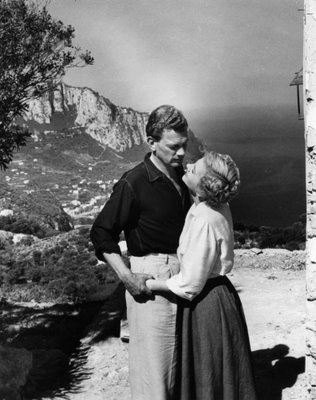
September Affair – Joan Fontaine meets Joseph Cotton in Rome, and the two spend a day sightseeing and miss their flight home to New York. When that plane crashes, they decide to not tell their families they are alive (Cotton is unhappily married) and have a luxurious affair. This being Hollywood, of course, this can’t last. It’s another lovely, solid studio film, with a real undercurrent of post-war melancholy (the kind that film noir exploited so well in this era). And it features Walter Huston singing, which is as awesome as it sounds. The #21 film of 1950.

Caught – A distinguished entry in the woman marries a rich guy who turns out to be a sadistic creep genre, directed by the great Max Ophuls. Barbara Bel Geddes (Vertigo) plays the woman, an aspiring actress who marries millionaire Robert Ryan. After years of emotional abuse, she runs off and gets a job as a receptionist for James Mason’s swell doctor. Mason and Bel Geddes fall in love (naturally) and so must deal with crazy Robert Ryan. And somebody’s pregnant! Probably my least favorite Ophuls (Joan Fontaine or Joan Bennett probably would have been better here), but it’s still a very good melo-noir. The #11 film of 1949.
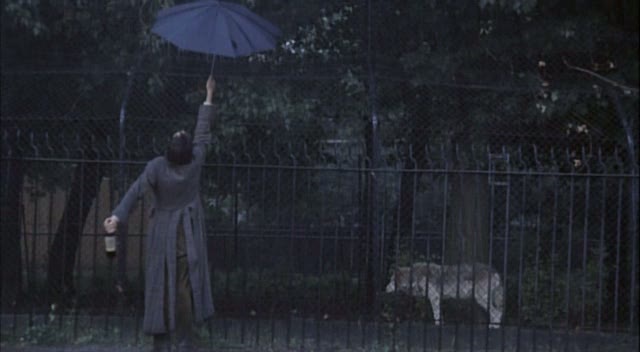
Withnail & I – In 1969, Richard E. Grant and Paul McGann flee their creditors to the countryside, where they drink a prodigious amount of alcohol and do their best to avoid the amorous advances of Richard Griffiths (a plotline that’s rarely pleasant, though Griffiths does his best to make a humane character out of it). It’s an occasionally lovely movie about ugly people who live in an ugly, mud-splattered world, the hangover after the Swinging 60s. Grant, an actor I’ve always liked, though he’s in a lot of bad movies, gives his best performance as Withnail, a loud and obnoxious agent of chaos who may or may not also be pure evil. The #10 film of 1987.


Movies of the Year Awards 2010
 See the post below for the nominees:
Best Picture:
Endy: Certified Copy
Oscar: The King’s Speech
Best Director:
Endy: Apichatpong Weerasethakul, Uncle Boonmee Who Can Recall His Past Lives
Oscar: Tom Hooper, The King’s Speech
Actor:
Endy: Edgar Ramirez, Carlos
Oscar: Colin Firth, The King’s Speech
Actress:
Endy: Juliette Binoche, Certified Copy
Oscar: Natalie Portman, Black Swan
Supporting Actor:
Endy: John Hawkes, Winter’s Bone
Oscar: Christian Bale, The Fighter
Supporting Actress:
Endy: Greta Gerwig, Greenberg
Oscar: Melissa Leo, The Fighter
Original Screenplay:
Endy: Hong Sangsoo, Oki’s Movie & Hahaha
Oscar: David Seidler, The King’s Speech
Adapted Screenplay:
Endy: Joel & Ethan Coen, True Grit
Oscar: Aaron Sorkin, The Social Network

Foreign Language Film:
Endy: Certified Copy
Oscar: In a Better World
Documentary Feature:
Endy: Exit Through the Gift Shop
Oscar: Inside Job
Documentary Short:
Endy: The Indian Boundary Line
Oscar: Strangers No More
Live Action Short:
Endy: 607
Oscar: God of Love
Animated Short:
Endy: Day & Night
Oscar: The Lost Thing
Animated Feature:
Endy: The Illusionist
Oscar: Toy Story 3
Film Editing:
Endy: Carlos
Oscar: The Social Network
Cinematography:
Endy: Roger Deakins, True Grit
Oscar: Wally Pfister, Inception
Art Direction:
Endy: Carlos
Oscar: Alice in Wonderland
Costume Design:
Endy: The Social Network
Oscar: Alice in Wonderland
Make-Up:
Endy: Black Swan
Oscar: The Wolfman

Sound:
Endy: Black Swan
Oscar: Inception
Sound Editing:
Endy: True Grit
Oscar: Inception
Visual Effects:
Endy: Inception
Oscar: Inception
Original Score:
Endy: The Illusionist
Oscar: The Social Network
Soundtrack:
Endy: Carlos
Movies of the Year Award Nominations: 2010

With Oscar night fast approaching, it’s time to hand out my own awards for the past movie year. As always, only films with an imdb date of 2010 are eligible, which means this will include a lot of films that haven’t been released theatrically in the US yet.
These are the nominees, I’ll have the winners up on Monday, to compare with the Oscar winners. For my Oscar predictions, check out the Metro Classics website.
Best Picture:
1. Carlos
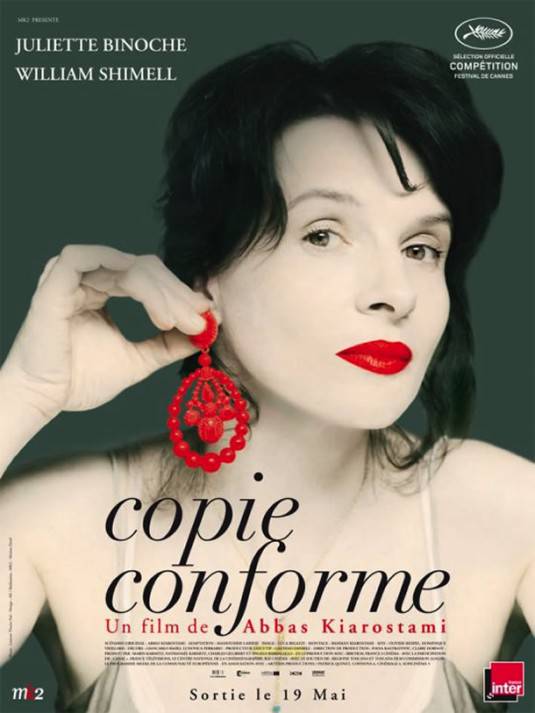
2. Certified Copy
3. Exit Through the Gift Shop
4. Oki’s Movie
5. Uncle Boonmee Who Can Recall His Past Lives
Best Director:
1. Olivier Assays, Carlos
2. Abbas Kiarostami, Certified Copy
3. Hong Sangsoo, Hahaha & Oki’s Movie
4. Joel & Ethan Coen, True Grit
5. Apichatpong Weerasethakul, Uncle Boonmee
Best Actor:
1. James Franco, 127 Hours
2. Edgar Ramirez, Carlos
3. John Chang, The Drunkard
4. Leonardo DiCaprio, Shutter Island & Inception
5. Jesse Eisenberg, The Social Network
Best Actress:
1. Natalie Portman, Black Swan
2. Hailee Steinfeld, True Grit
3. Juliette Binoche, Certified Copy
4. Yun Junghee, Poetry
5. Emma Stone, Easy A
Supporting Actor:
1. Christoph Bach, Carlos
2. Teddy Robin, Gallants & Merry Go Round
3. Mark Ruffalo, The Kids are All Right & Shutter Island
3. Mark Ruffalo, The Kids are All Right & Shutter Island
4. Kieran Culkin, Scott Pilgrim vs. the World
5. John Hawkes, Winter’s Bone
Supporting Actress:
1. Wei Wei, The Drunkard
2. Olivia Williams, The Ghost Writer
3. Greta Gerwig, Greenberg
4. Rosamund Pike, Made in Dagenham
4. Rosamund Pike, Made in Dagenham
5. Rooney Mara, The Social Network
Original Screenplay:
1. Olivier Assayas, Dan Franck & Daniel Leconte, Carlos
2. Abbas Kiarostami, Certified Copy
3. Zhu Wen, Thomas Mao
4. Apichatpong Weerasethakul, Uncle Boonmee
5. Hong Sangsoo, Oki’s Movie & Hahaha
Adapted Screenplay:
1. Freddie Wong, The Drunkard
2. Sylvain Chomet, The Illusionist
3. Catherine Breillat, The Sleeping Beauty
4. Aaron Sorkin, The Social Network
5. Joel & Ethan Coen, True Grit
Foreign Language Film:
1. Carlos
2. Certified Copy
3. Oki’s Movie
4. Thomas Mao
5. Uncle Boonmee Who Can Recall His Past Lives
Documentary Feature:
1. Exit Through the Gift Shop
2. I Wish I Knew
3. Get Out of the Car
4. Sweetgrass
5. Strange Powers
Animated Feature:
1. The Illusionist
2. Toy Story 3
Film Editing:
1. 127 Hours
2. Black Swan
3. Carlos
4. Exit Through the Gift Shop
5. Shutter Island
Cinematography:
1. Matthew Libatique, Black Swan
2. Denis Lenoir & Yorick Le Soux, Carlos
3. Luca Bigazzi, Certified Copy
3. Luca Bigazzi, Certified Copy
4. Jeff Cronenweth, The Social Network
5. Roger Deakins, True Grit
Art Direction:
1. Carlos
2. Certified Copy
3. Shutter Island
4. Scott Pilgrim vs. the World
5. Uncle Boonmee
Costume Design:
1. Carlos
2. Certified Copy
3. The Sleeping Beauty
4. The Social Network
5. True Grit
Make-up:
1. 127 Hours
2. Black Swan
3. Shutter Island

Sound Mixing:
1. 127 Hours
2. Black Swan
3. Shutter Island
4. The Social Network
5. Scott Pilgrim vs. the World
Sound Editing:
1. Kick Ass
2. Scott Pilgrim vs. the World
2. Scott Pilgrim vs. the World
3. Shutter Island
4. Toy Story 3
5. True Grit
5. True Grit
Visual Effects:
1. 127 Hours
2. Inception
3. Gallants
4. Predators
5. Scott Pilgrim vs. the World
Original Score:
1. 127 Hours
2. The Illusionist
3. Never Let Me Go
3. Never Let Me Go
4. The Social Network
5. True Grit
5. True Grit
Soundtrack:
1. Black Swan
2. Carlos
3. Shutter Island
4. Strange Powers
5. Scott Pilgrim vs. the World
Movie Roundup: Japanese Catch-Up Edition

The Masseurs and a Woman – The last two films in Criterion’s Hiroshi Shimizu boxset take place at resort spas. This one follows a pair of masseurs, both of them blind (as apparently all masseurs in the two films are), and their interactions with various guests. The opening sequence, with the masseurs hiking to the spa (in shots reminiscent of Shimizu’s earlier film, Mr. Thank You) neatly establishes the blind men in their character (decent guys, but not above irascibility and revenge-taking) and abilities (they can tell how many people they are passing on the road by sound and smell). At the spa, we meet a variety of characters: a group of students who aren’t particularly nice and receive painfully destructive massages in turn, a single man and his nephew, and a woman from the city. One of the masseurs falls for the woman in one of the most seductive scenes in all of Japanese cinema as she passes him in the street and teasingly leads him along with the smell of her perfume. It’s a lovely film, combing the visual elegance of Shimizu’s Japanese Girls at the Harbor with the low-key humanist melodrama of Mr. Thank You. The #8 film of 1938.

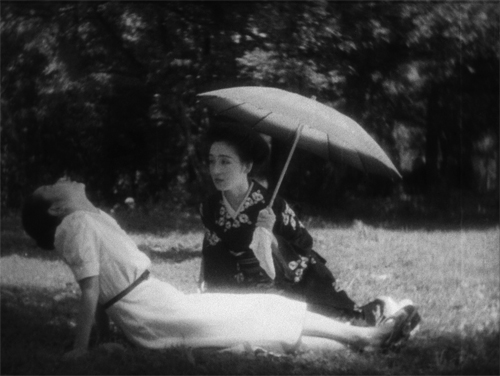
Ornamental Hairpin – The last film in the Shimizu box follows a self-created community of vacationers at a spa. Yasujiro Ozu’s great star Chishu Ryu stars as a young man who accidentally steps on the titular pin in a bath and injures his foot. While he recuperates, the other guests (a young couple, a grump old professor, a grandfather with his grandkids) try to bring Ryu and the woman who accidentally left the pin behind together. Ho hum, yet another Shimizu film overflowing with warmth and humanity. The #7 film of 1941.


Merry Christmas, Mr. Lawrence – The first film I’ve seen from director Nagisa Oshima, but considering I have a boxset of six of them around here somewhere, it probably won’t be the last. The obvious film comparison is with Bridge on the River Kwai, though the two films don’t have much in common aside from their setting. It’s set in a Japanese WW2 prison camp where Mr. Lawrence (Tom Conti), who speaks Japanese, acts as the liaison between the Allied prisoners and their captors. When David Bowie is assigned to the camp, the enigmatic commander (played by Ryuichi Sakamoto, a pop star of Bowie’s stature in Japan) becomes obsessed with him. Fortunately, the film’s about more than gay panic and taboo-breaking. Instead, every major character is complex and fully rounded. The heart of the film is Takeshi Kitano’s Sgt. Hara, who starts the film as a dogmatic Japanese soldier completely uncomprehending the possibility of any other kind of culture but, through his friendship with Lawrence and his observations of his commander’s often bizarre behavior, comes to realize that the world is far more complex than the ideology of fascist Japan allowed. Unpredictable and heart-breaking. The #2 film of 1983.


Humanity and Paper Balloons – I’m generally not a fan of depressing movies, but somehow I enjoyed every minute of this film, a thoroughly sad and dark film about the wretched lives of an alley of poor people in 19th century Tokyo. The plot revolves around a pair of men trying to get ahead. An out of work samurai appeals to the local minister, who knew his father, for a position so his young family won’t starve, but keeps getting the brush off. And the local barber tries to branch out into running a gambling ring but keeps getting beat up by the local gangsters. The director, Sadao Yamanaka (who was drafted and died shortly after completing this film) never revels in the squalidness of the poverty he displays. Rather, by establishing a real sense of community and collective struggle, he mitigates the darkness with a more humanistic sensibility. The other residents of the alley, for the most part, cover for each other against the gangsters and rich swells that exploit them, whereas in a lot of Mizoguchi films (to take one of Yamanaka’s contemporaries who loved to make films about the wretched) the entire world conspires against the protagonist(s), even (and especially) their fellow prostitutes and victims. This communal sense not only gives the film a much needed air of hope for the future, but also makes it feel like a real world has been created for the viewer, rather than a lecture in morality. The #7 film of 1937.
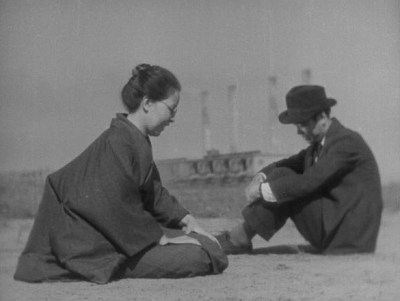
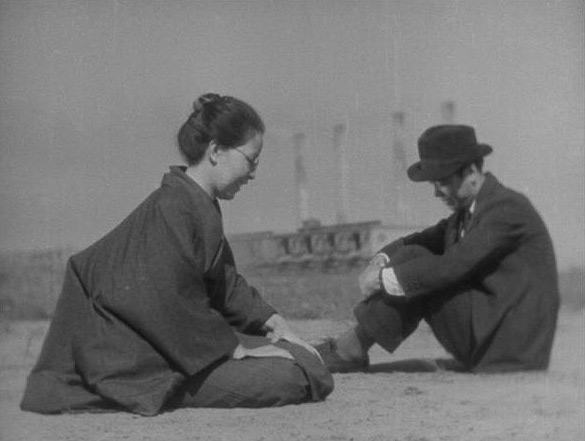
The Only Son – With these last three films, I managed to catch up on all the films by Yasujiro Ozu I’ve had around the house. This one, his first sound film, is about a widow who works hard at a silk factory to send her son away to college so he can make something of himself. When he grows up, she goes to visit him and learns that not only has he gotten married without telling her, but he’s dropped out of school and can only find work teaching math at a night school. He and his wife pawn what they can to show his mom a good time while in town (of course she doesn’t really care to do all the touristy things they take her to), but she’s disappointed in him nonetheless. In the end, she learns that even though he’s poor, he’s actually a pretty good guy, and so not a complete failure after all. It’s an interesting twist on the ungrateful child genre, one of Ozu’s perennial favorites, and all the requisite touches of his visual style are locked in place (I think this might be the first where you could say that, at least I don’t recall the previous silent films being this Ozuvian). The #7 film of 1936.


There Was a Father – A companion film to The Only Son, this time with Chishu Ryu as the father who sacrifices for his son’s education. Ryu plays a popular teacher who resigns after one of his students dies on a field trip. For years he works a variety of odd jobs to send his son to school, rarely getting to see him. When the son grows up and tries to get the father to move in with him, Ryu won’t because it’s his patriotic duty to stay at his job and work hard or something. It’s very much a wartime film, as Ryu adheres to the rigid code of honor and duty that formed the basis for the fascists’ power in Japan. But Ozu does what he can to subvert the ideology, pushing the tragedy of Ryu’s separation from his son and the ridiculous sacrifices he makes about as far as he can. The #7 film of 1942.


An Autumn Afternoon – Ozu’s last film, and one of his best. Chishu Ryu plays a teacher with three children. The oldest is married and wants to borrow money from Ryu to buy a refrigerator for his wife. His daughter is unmarried and doesn’t particularly want to leave the house, but Ryu doesn’t want her to become an old maid (the standard Ozu plot, of course). The youngest boy is still in school. The family dynamic is balanced by the professional and alcoholic, as Ryu regularly meets to get drunk with his old army buddies and former colleagues and students. There’s even a possible romance for Ryu, as a local bar maid reminds him of his dead wife. The film is structured around a series of trips to bars and features the most rigid color scheme I can recall in Ozu. Almost every shot contains red, white and blue elements. I can’t imagine why he would do that, but it’s pretty cool nonetheless.
Watching this for the first time, I couldn’t shake the notion that this was the greatest of Ozu’s many films. That may have been because I knew it was his last, or just because it contained all of the elements that make his films so great. At a certain point, especially with the later Ozus, you get the feeling that with each film he is not so much repeating his themes and plots but rather trying to distill an entire career’s worth of art into a single work. Each of these films is not only a small part of a larger body of work, but contain the whole of that career within themselves. I think that happens with the late films of a lot of great directors, but Ozu is, as he is in many other respects, the purest example I know. The #5 film of 1962.
 The End of Cinema
