Movies Of The Year Awards: 1976

Best Picture:

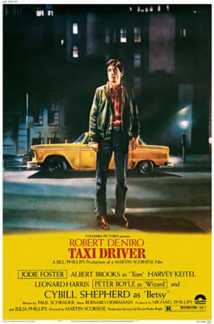
The End: Taxi Driver
Oscar: Rocky

Best Director:

The End: Martin Scorsese, Taxi Driver
Oscar: John G. Avildson, Rocky

Actor:

The End: Robert DeNiro, Taxi Driver
Oscar: Peter Finch, Network

Actress:

The End: Sissy Spacek, Carrie
Oscar: Faye Dunaway, Network

Supporting Actor:

The End: Chief Dan George, The Outlaw Josey Wales
Oscar: Jason Robards, All The President’s Men

Supporting Actress:

The End: Piper Laurie, Carrie
Oscar: Beatrice Straight, Network

Original Screenplay:

The End: Paul Schrader, Taxi Driver
Oscar: Paddy Chayevsky, Network

Adapted Screenplay:

The End: William Goldman, Marathon Man and All The President’s Men
Oscar: William Goldman, All The President’s Men

Documentary Feature:

The End: Harlan County, USA
Oscar: Harlan County, USA

Film Editing:

The End: Richard Halsey and Scott Conrad, Rocky
Oscar: Richard Halsey and Scott Conrad, Rocky

Cinematography:

The End: Michael Chapman, Taxi Driver
Oscar: Haskell Wexler, Bound For Glory

Art Direction:

The End: Bound For Glory
Oscar: All The President’s Men

Costume Design:

The End: The Outlaw Josey Wales
Oscar: Casanova

Sound:

The End: The Outlaw Josey Wales
Oscar: All The President’s Men

Original Score:

The End: Bernard Herrmann, Taxi Driver
Oscar: Jerry Goldsmith, The Omen

Soundtrack:

The End: Bound For Glory
Oscar: Bound For Glory

Special Effects:

The End: Carrie
Oscar: King Kong and Logan’s Run

Movies Of The Year Awards: 1975

Best Picture:

The End: Jaws
Oscar: One Flew Over the Cuckoo’s Nest

Best Director:

The End: Robert Altman, Nashville
Oscar: Milos Foreman, One Flew Over the Cuckoo’s Nest

Actor:

The End: Jack Nicholson, The Passenger and One Flew Over the Cuckoo’s Nest
Oscar: Jack Nicholson, One Flew Over the Cuckoo’s Nest

Actress:

The End: Maria Schneider, The Passenger
Oscar: Louise Fletcher, One Flew Over the Cuckoo’s Nest

Supporting Actor:

The End: Robert Shaw, Jaws
Oscar: George Burns, The Sunshine Boys

Supporting Actress:

The End: Lily Tomlin, Nashville
Oscar: Lee Grant, Shampoo

Original Screenplay:

The End: Graham Chapman, John Cleese, Eric Idle, Michael Palin, Terry Jones, Terry Gilliam, Monty Python And The Holy Grail
Oscar: Frank Pierson, Dog Day Afternoon

Adapted Screenplay:

The End: Cliff Green, Picnic At Hanging Rock
Oscar: Lawrence Hauben and Bo Goldman, One Flew Over the Cuckoo’s Nest

Foreign Language Film:

The End: Dersu Uzala
Oscar: Dersu Uzala

Film Editing:

The End: Verna Fields, Jaws
Oscar: Verna Fields, Jaws

Cinematography:

The End: John Alcott, Barry Lyndon
Oscar: John Alcott, Barry Lyndon

Art Direction:

The End: Barry Lyndon
Oscar: Barry Lyndon

Costume Design:

The End: Barry Lyndon
Oscar: Barry Lyndon

Sound:

The End: Jaws
Oscar: Jaws

Original Score:

The End: John Williams, Jaws
Oscar: John Williams, Jaws

Soundtrack:

The End: Nashville
Oscar: Barry Lyndon

Special Effects:

The End: Jaws
Oscar: The Hindenburg

Movie Roundup: Another Olympiad Edition

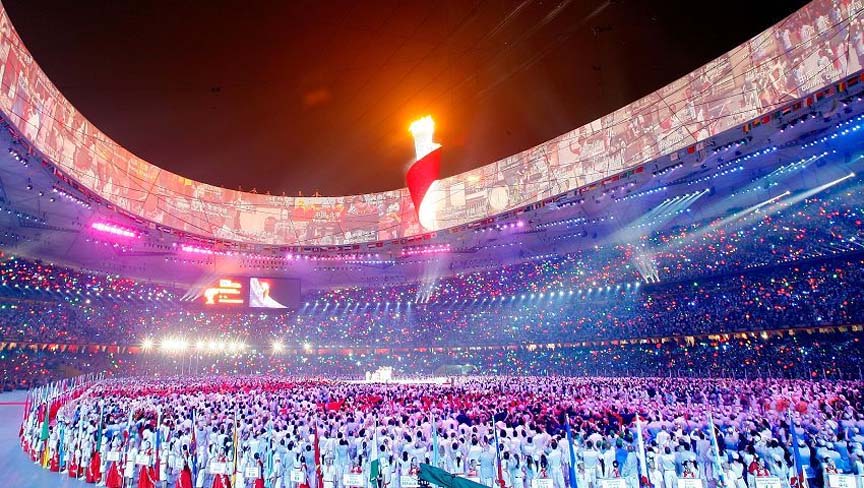
Anyone else notice that NBC has taken to covering the Olympics this year as a US-China showdown in the grand Cold War tradition that ended when the USSR collapsed? Except none of the fans or the competitors feel any kind of animosity towards the other country. Kind of like when Major League Baseball tries to create a rivalry between the Mariners and Padres with interleague play every year.


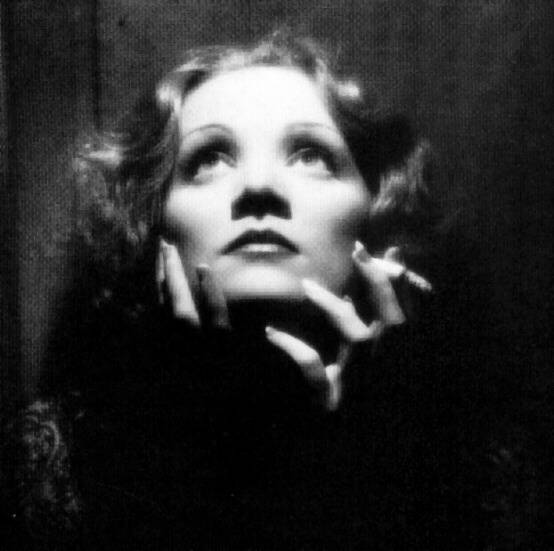
Shanghai Express – Quite possibly my favorite Marlene Dietrich-Jospeh von Sternberg film thus far, though that’s a really tough call (Morocco‘s the main competition right now). An ethnically diverse cast of characters gets waylaid by Chinese rebels on the titular train, an make various sacrifices to free themselves and others. Dietrich alternates between breathtakingly adorable and heartbreakingly stoic, Clive Brook is convincingly stiff as her ex-boyfriend and there’s fine supporting work from Anna May Wong and Eugene Pallette. The film is an interesting amalgam of Stagecoach and 7 Women, made more interesting by the fact that neither of those films were made yet. The #2 film of 1932.

Don’t Look Now – Director Nicholas Roeg’s thriller about a couple haunted by the accidental death of their daughter. Donald Sutherland and Julie Christie are in Venice, as Sutherland is working to restore a church. Christie meets some nice British ladies who claim to be in psychic communication with her daughter. Meanwhile, Sutherland repeatedly sees a child in his daughter’s jacket running along the canals. The opening sequence is breathtakingly edited, combining past present and future into a coherent narrative that doesn’t follow any kind of logical order. Beautiful to look at, the crumbling swamp city is as alive a character in the film as either of the phenomenal lead actors. I’ve never seen better work from Sutherland or Christie, not even counting their justly famous sex scene. The #3 film of 1973.

I Want Someone To Eat Cheese With – A minor, mildly entertaining film by Jeff Garlin, who, in interviews at least, seems like a genuinely nice guy. He plays a schlub actor who loses his job and juggles a pair of women, Sarah Silverman and Bonnie Hunt while living with his mom. It’s never really as serenely moving as it seems to want to be, and Garlin really isn’t a believable enough actor to pull the character off. he always sounds like he’s reading a cue card. The #37 film of 2006.

Black Magic – Rather silly story of Cagliostro, a hypnotist who causes havoc in pre-revolution France. It’s mostly an excuse for Orson Welles to chew scenery and play around with magic. IMDB claims Welles did some uncredited directing on it, but I don;t think I’ve ever heard that and nothing looked particularly Wellesian to me. The #22 film of 1949.
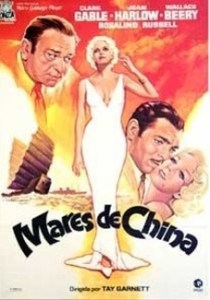
China Seas – Kind of a rehash of Red Dust, with Clark Gable reteaming with Jean Harlow. Despite the screenplay by Jules Furthman and direction by Tay Garnett, a filmmaker of some repute who I’ve little experience with), the film does have early the spark, or sexiness, of that previous film. Instead it’s a pretty pedestrian light drama. The #12 film of 1935.

Rififi – The first half is terrific, a top-notch noir culminating in an extended, dialogue-free heist sequence that’s justly regarded as one of the greatest ever filmed. Then the whole thing falls apart as the protagonists all behave stupidly out-of-character for the sake of plot expedience. I really hate when that happens. Totally ruins a movie for me. But still, that first half is something. The #15 film of 1955.

The Dark Knight – It’s alright. I’m pretty sure it’s thematically incoherent, if not an exercise in justifying the worst excesses of the Bush Administration’s various wars. Christian Bale is pretty much a non-entity, and Maggie Gyllenhaal improves on Katie Holmes if only because she doesn’t actively destroy the film, but doesn’t really add anything with her underwritten character. Heath Ledger , I think, deserves all the praise he’s been getting though. The film is structured very well, the relentless movement from one action sequence to another only becoming tiresome at the end of the film’s two and a half hours, where, again, we have a superhero film climax with a fight at night. I’m really getting sick of that.

Night Passage – Was supposed to be another Anthony Mann – James Stewart Western, but according to IMDB, Mann quit the project because he didn’t like Audie Murphy, Stewart’s costar. I’m pretty sure I don’t believe that. Anyway, it has a lot of similarities with the other Mann-Stewart films, with Stewart playing an experienced gunfighter who may be out for revenge, or may just want to be left alone but is forced into solving a town’s problems. He’s great, like he always is, and Murphy is particularly bad either. Some nice train sequences, but nothing too spectacular. The #19 film of 1957.

Bedlam – Another film from the Val Lewton boxset stars Boris Karloff as the sadistic ruler of the titular mental hospital who struggles against the reform efforts of a hot socialite played by Anna Lee (who later costarred in a number of John Ford films). There’s a few scenes of genuine creepiness, and all of the actors are quite good. But it’s not nearly in the class of atmospheric Lewton masterpieces like Cat People or I Walked With A Zombie. The #13 film of 1946.


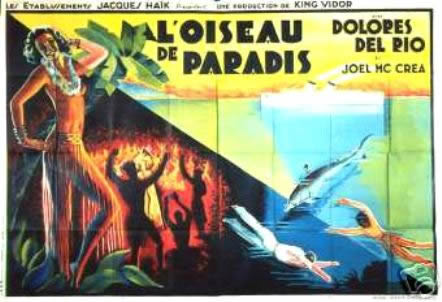
Bird Of Paradise – Appears to be a cheap Hollywood knockoff of FW Murnau’s Tabu, with Dolores Del Rio as the island seductress luring poor white guy Joel McRea to his romantic doom. Inferior in just about every way to the film that “inspired it”, but then Tabu is one truly amazing film. The actors are alright, and King Vidor does a solid job directing, but I really can’t get past the unoriginality of the whole enterprise. The #13 film of 1932.

Man-Proof – Pretty dull romantic comedy that stars the nonetheless wonderful Myrna Loy as a woman who thinks she knows which of Franchot Tone and Walter Pidgeon she loves, but is of course quite obviously wrong. Rosalind Russell plays her rival for Pidgeon with none of the force-of-nature energy she brought to His Girl Friday a year later, and Tone and Pidgeon are almost completely unmemorable. Loy sure is pretty though. The #11 film of 1938.

Jason And The Argonauts – Tremendously entertaining action movie with special effects by the great Ray Harryhausen. Based on the Greek myth of the quest for the Golden Fleece, it’s fast-paced, not particularly campy and the acting really isn’t as terrible as you’d expect. The special effects are the real draw, however, with Harryhausen bringing a hydra, a colossus and an army of skeletons to stop-motion life. The #13 film of 1963.

A Letter To Three Wives – I cant imagine anyone liking this admittedly great movie more than director Joseph L. Mankiewicz’s next film, All About Eve, but it’s a big world and people think all kinds of crazy things. Maybe the effect of the film is a bit ruined for me, seeing it for the first time after having experienced a season and a half of Desperate Housewives, the TV show that quite obviously modeled itself after this film (a never-seen narrator describing the lives of her suburban housewife “friends”). The film is split into three sections, as the titular wives have flashbacks wondering which one of their husbands ran off with their unseen pal, who’s written them the letter in the title. We see the poor country girl thrown into the upper middle class (Jeanne Crain), the driven career woman (Ann Southern) fighting with her idealistic teacher husband, and the snarky trophy wife (Linda Darnell) catching herself a rich husband she likes more than she’d admit. the acting is uniformly terrific, with Kirk Douglas in particular standing out as the second husband. The suspense plot is a bit trite, but there’s a surprising depth and humanity Mankiewicz brings to what should be schematic characterizations. He comes perilously close to a comprehensive portrait of post-war suburban life. But Eve has so much more pizzaz. The #10 film of 1949.
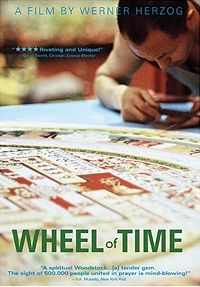
Wheel Of Time – I was a little disappointed in this Werner Herzog documentary about Tibetan Buddhism, although not nearly as disappointed as the poor guys who crawled hundreds (thousands) of miles to see the Dalai Lama perform some ceremonies only to have him call in sick at the last minute. The contrasts between the two ceremonies, one held in the Buddhist heartland, the other in suburban Germany, had a lot of potential, but Herzog doesn’t really explore it in any kind of depth. He seems much less curious about the subject than he did with Grizzly Man, which is, as yet, the only other documentary of his I’ve seen. The #18 film of 2003.

In the Mood For Doyle – Mediocre documentary about the great cinematographer Christopher Doyle. We get a bit of how crazy and drunk he is, and some fun bits with him walking around places he shot in various films. But there’s nothing really insightful about Doyle’s life or his visual style. the #43 film of 2007.

Incident At Loch Ness – This mock-documentary about Werner Herzog making a film of the Loch Ness Monster gets off to a good start, with Herzog (and his wife) talking about his ideas for the film and holding parties to drum up interest and financing. But as the filming starts the movie devolves into generic silliness as “producer” Zack Penn (who directed the film) constantly interferes with and undermines Herzog’s work. It’s entertaining enough, but not nearly as interesting as even the most minor Herzog film. The #25 film of 2004.

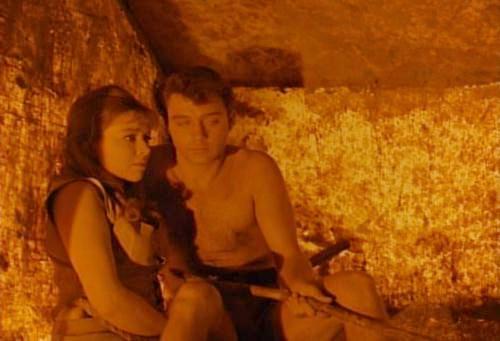
Mysterious Island – Another Harryhausen film, this one based on a Jules Verne story that appears to be a sequel to 20,000 Leagues Under The Sea and was directed by Cy Endfield (the blacklisted director of Zulu) with a score by Bernard Herrmann. Confederate and Union soldiers wash up on the titular landmass, and get attacked by giant animals (a crab, a chicken, a bee). They find weird genius Captain Nemo, who helps them escape before the island blows up, or sinks, I forget which. Fortunately for the soldiers, a hot girl and her aunt wash up on the island as well, and sew some fantastic dresses for themselves. My question: if you’ve already been attacked by a giant crab and a giant chicken, would you follow the giant trickle of honey back to the hive, even if the hot redhead in the skimpy leather outfit asked you to? I’m terrified of bees, but I’d probably consider it. The #19 film of 1961.
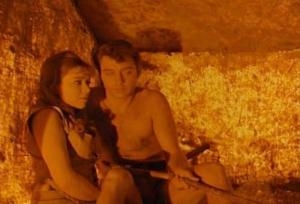
The Iron Horse – Director John Ford’s breakthrough hit, this silent epic about the building of the transcontinental railroad has a surprisingly predictable revenge/love triangle plot grafted onto it. George O’Brien (Sunrise: A Song Of two Humans) plays the son of a surveyor (and Friend Of Lincoln) who dreams of the railroad and goes off to survey for it where he’s murdered by an evil white guy leading a band of Indians. When the building gets underway years later, the son becomes a scout for the railroad, the boss of which just happens to be his old neighbor and the father of his childhood sweetheart, who, of course, is now engaged to a creep who happens to be employed by O’Brien’s father’s murderer, who is now a wealthy landowner trying to become even wealthier by routing the railroad through his land. Make sense? Eh, it really doesn’t matter. The movie is a must see for the iconic imagery, for early examples of Ford’s style, both dramatically (community building, action and high drama mixed with strangely sophisticated lowbrow comedy) and pictorially. Interesting is the positioning of the villain in-between the whites and the Indians. Is he evil because he’s a white man corrupted by Indians? Or is he more viciously evil than the Indians (not to mention more ruthlessly capitalistic) because he’s white? The #4 film of 1924.

The Mummy: Tomb Of The Dragon Emperor – Truly, truly terrible. Jet Li and Michelle Yeoh are entirely wasted in parts that are too small, too generic, and too lacking in martial arts. Maria Bello is unrecognizably bad, especially after she was so good in A History Of Violence a couple of years ago. John Hannah might actually be worse. Brendan Fraser is amiable, but completely unbelievable as a father. It just sucks.

Movies Of The Year Awards: 1974

Best Picture:

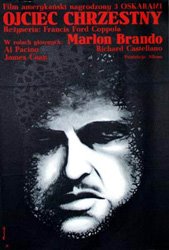
The End: The Godfather Part II
Oscar: The Godfather Part II

Best Director:

The End: Francis Ford Coppola, The Godfather Part II and The Conversation
Oscar: Francis ford Coppola, The Godfather Part II

Actor:

The End: Al Pacino, The Godfather Part II
Oscar: Art Carney, Harry And Tonto

Actress:

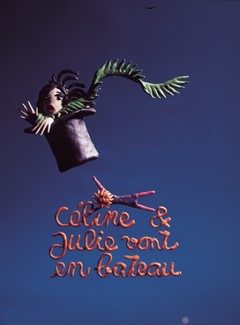
The End: Dominique Labourier, Celine And Julie Go Boating
Oscar: Ellen Burstyn, Alice Doesn’t Live Here Anymore

Supporting Actor:

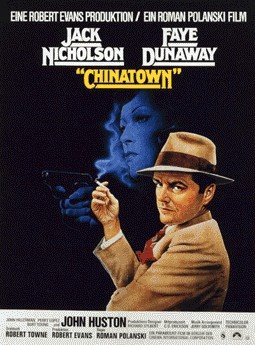
The End: John Huston, Chinatown
Oscar: Robert DeNiro, The Godfather Part II

Supporting Actress:

The End: Diane Keaton, The Godfather Part II
Oscar: Ingrid Bergman, Murder On The Orient Express

Original Screenplay:

The End: Robert Towne, Chinatown
Oscar: Robert Towne, Chinatown

Adapted Screenplay:

The End: Francis Ford Coppola and Mario Puzo, The Godfather Part II
Oscar: Francis Ford Coppola and Mario Puzo, The Godfather Part II

Foreign Language Film:

The End: Celine And Julie Go Boating
Oscar: Amarcord

Documentary Feature:

The End: F For Fake
Oscar: Hearts And Minds

Film Editing:

The End: Nicole Lubtchansky, Celine And Julie Go Boating
Oscar: Harold and Carl Kress, The Towering Inferno

Cinematography:

The End: John A. Alonzo, Chinatown
Oscar: Fred J. Koenekamp, The Towering Inferno

Art Direction:

The End: The Godfather Part II
Oscar: The Godfather Part II

Costume Design:

The End: Chinatown
Oscar: The Great Gatsby

Sound:

The End: The Conversation
Oscar: Earthquake

Original Score:

The End: Jerry Goldsmith, Chinatown
Oscar: Nino Rota, The Godfather Part II

Soundtrack:

The End: That’s Entertainment!
Oscar: The Great Gatsby

Movies Of The Year Awards: 1973

Best Picture:

The End: Mean Streets
Oscar: The Sting

Best Director:

The End: Martin Scorsese, Mean Streets
Oscar: George Roy Hill, The Sting

Actor:

The End: Elliot Gould, The Long Goodbye
Oscar: Jack Lemmon, Save The Tiger

Actress:

The End: Julie Christie, Don’t Look Now
Oscar: Glenda Jackson, A Touch Of Class

Supporting Actor:

The End: Robert DeNiro, Mean Streets
Oscar: John Houseman, The Paper Chase

Supporting Actress:

The End: Katy Jurardo, Pat Garrett & Billy The Kid
Oscar: Tatum O’Neal, Paper Moon

Original Screenplay:

The End: Martin Scorsese and Mardik Martin, Mean Streets
Oscar: David S. Ward, The Sting

Adapted Screenplay:

The End: Leigh Brackett, The Long Goodbye
Oscar: William Peter Blatty, The Exorcist

Foreign Language Film:

The End: Day For Night
Oscar: Day For Night

Film Editing:

The End: Graeme Clifford, Don’t Look Now
Oscar: Williams Reynolds, The Sting

Cinematography:

The End: Tak Fujimoto, Stevan Larner and Brian Probyn, Badlands
Oscar: Sven Nykvist, Cries And Whispers

Art Direction:

The End: Don’t Look Now
Oscar: The Sting

Costume Design:

The End: The Sting
Oscar: The Sting

Sound:

The End: Don’t Look Now
Oscar: The Exorcist

Original Score:

The End: Bob Dylan, Pat Garrett & Billy The Kid
Oscar: Marvin Hamlisch, The Way We Were

Soundtrack:

The End: Mean Streets
Oscar: The Sting

Movies Of The Year Awards: 1972

Best Picture:

The End: The Godfather
Oscar: The Godfather

Best Director:

The End: Francis Ford Coppola, The Godfather
Oscar: Bob Fosse, Cabaret

Actor:

The End: Marlon Brando, The Godfather
Oscar: Marlon Brando, The Godfather

Actress:

The End: Liza Minnelli, Cabaret
Oscar: Liza Minnelli, Cabaret

Supporting Actor:

The End: Joel Grey, Cabaret
Oscar: Joel Grey, Cabaret

Supporting Actress:

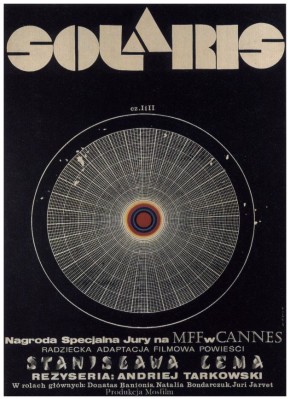
The End: Natalya Bondarchuk, Solaris
Oscar: Eileen Heckart, Butterflies Are Free

Original Screenplay:

The End: Luis Buñuel and Jean-Claude Carrière, The Discreet Charm Of The Bourgeoisie
Oscar: Jeremy Larner, The Candidate

Adapted Screenplay:

The End: Francis Ford Coppola and Mario Puzo, The Godfather
Oscar: Francis Ford Coppola and Mario Puzo, The Godfather

Foreign Language Film:

The End: Aguirre, The Wrath Of God
Oscar: The Discreet Charm Of The Bourgeoisie

Film Editing:

The End: David Bretherton, Cabaret
Oscar: David Bretherton, Cabaret

Cinematography:

The End: Gordon Willis, The Godfather
Oscar: Geoffrey Unsworth, Cabaret

Art Direction:

The End: The Godfather
Oscar: Cabaret

Costume Design:

The End: The Godfather
Oscar: Travels With My Aunt

Sound:

The End: The Godfather
Oscar: Cabaret

Original Score:

The End: Nino Rota, The Godfather
Oscar: Charlie Chaplin, Limelight

Soundtrack:

The End: Cabaret
Oscar: Cabaret

Special Effects:

The End: Five Fingers Of Death
Oscar: The Poseidon Adventure

Movies Of The Year Awards: 1971

Best Picture:

The End: Two-Lane Blacktop
Oscar: The French Connection

Best Director:

The End: Monte Hellman, Two-Lane Blacktop
Oscar: William Friedkin, The French Connection

Actor:

The End: Malcolm McDowell, A Clockwork Orange
Oscar: Gene Hackman, The French Connection

Actress:

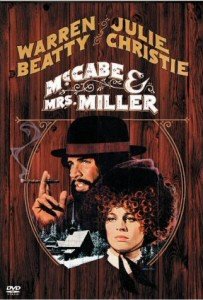
The End: Julie Christie, McCabe & Mrs. Miller
Oscar: Jane Fonda, Klute

Supporting Actor:

The End: Warren Oates, Two-Lane Blacktop
Oscar: Ben Johnson, The Last Picture Show

Supporting Actress:

The End: Ann-Margret, Carnal Knowledge
Oscar: Cloris Leachman, The Last Picture Show

Original Screenplay:

The End: Rudy Wurlitzer and Will Corry, Two-Lane Blacktop
Oscar: Paddy Chayevsky, The Hospital

Adapted Screenplay:

The End: Stanley Kubrick, A Clockwork Orange
Oscar: Ernest Tidyman, The French Connection

Documentary Feature:

The End: Directed By John Ford
Oscar: The Hellstrom Chronicle

Film Editing:

The End: Bill Butler, A Clockwork Orange
Oscar: Gerald greenberg, The French Connection

Cinematography:

The End: Vilmos Zsigmond, McCabe & Mrs. Miller
Oscar: Oswald Morris, Fiddler On The Roof

Art Direction:

The End: A Clockwork Orange
Oscar: Nicholas And Alexandra

Costume Design:

The End: McCabe & Mrs. Miller
Oscar: Nicholas And Alexandra

Sound:

The End: A Clockwork Orange
Oscar: Fiddler On The Roof

Original Score:

The End: Isaac Hayes, Shaft
Oscar: Michel Legrand, Summer Of ’42

Soundtrack:

The End: McCabe & Mrs. Miller
Oscar: Fiddler On The Roof

Special Effects:

The End: Willy Wonka & The Chocolate Factory
Oscar: Bedknobs And Broomsticks

Movies Of The Year Awards: 1970

Best Picture:

The End: Patton
Oscar: Patton

Best Director:

The End: Bernardo Bertolucci, The Conformist
Oscar: Franklin Schaffner, Patton

Actor:

The End: George C. Scott, Patton
Oscar: George C. Scott, Patton

Actress:

The End: Geneviève Page, The Private Life Of Sherlock Holmes
Oscar: Glenda Jackson, Women In Love

Supporting Actor:

The End: Jon Voight, Catch-22
Oscar: John Mills, Ryan’s Daughter

Supporting Actress:

The End: Dominique Sanda, The Conformist
Oscar: Helen Hayes, Airport

Original Screenplay:

The End: Carole Eastman and Bob Rafelson, Five Easy Pieces
Oscar: Francis Ford Coppola and Edmund North, Patton

Adapted Screenplay:

The End: Ring Lardner Jr, MASH
Oscar: Ring Lardner Jr, MASH

Foreign Language Film:

The End: The Conformist
Oscar: Investigation of a Citizen Above Suspicion

Documentary Feature:

The End: Woodstock
Oscar: Woodstock

Film Editing:

The End: Thelma Schoonmaker et al, Woodstock
Oscar: Hugh Fowler, Patton

Cinematography:

The End: Vittorio Storaro, The Conformist
Oscar: Freddie Young, Ryan’s Daughter

Art Direction:

The End: Dodes’ka-den
Oscar: Patton

Costume Design:

The End: The Conformist
Oscar: Cromwell

Sound:

The End: Woodstock
Oscar: Patton

Original Score:

The End: Jerry Goldsmith, Patton
Oscar: Francis Lai, Love Story

Soundtrack:

The End: Woodstock
Oscar: Let It Be

Special Effects:

The End: Patton
Oscar: Tora! Tora! Tora!

Movies Of The Year: 1948

I’ve seen 24 films from 1948, the most of any year up to this point, and a total that isn’t matched until 1953. I don’t know of any particular reason that would be, it’s almost twice as many as the number of films I’ve seen from 1947. Anyway, in spots 16-24 are some interesting films. Billy Wilder’s A Foreign Affair and Jacques Tourneur’s Berlin Express are interesting films set in post-war Germany that don’t entirely work for me, but they seem to be paving the way for 1949’s great The Third Man. Easter Parade, with Fred Astaire and Judy Garland, I was really disappointed in when I watched it many years ago: the only thing I remember about it is being bored. Blood On the Moon is a pretty cool Western noir with Robert Mitchum and direction by Robert Wise. Key Largo is a mediocre Bogart-Bacall pairing, stagey and hampered by an annoying Edward G. Robinson performance. Words And Music is decent biopic of songwriter Lorenz Hart, with a surprisingly good performance from Mickey Rooney in the lead role. 3 Godfathers is a weird hybrid of Christian fairy-tale and John Ford Western. Vittorio DiSica’s Bicycle Thieves is one of the most famous and popular art movies of all time. I’ve ranked it as high as 16 giving it the benefit of the doubt. I really didn’t like it the first time I’ve seen it, and it managed to turn me off the whole Italian Neo-Realism movement for years. The sentimental, elementary social critique of it I found more obnoxious than moving, but I’ll concede I may have missed something. It wouldn’t be the first time.

24. The Three Musketeers
23. Easter Parade
22. A Foreign Affair
21. Berlin Express
20. Blood On The Moon
19. Key Largo
18. Words And Music
17. 3 Godfathers
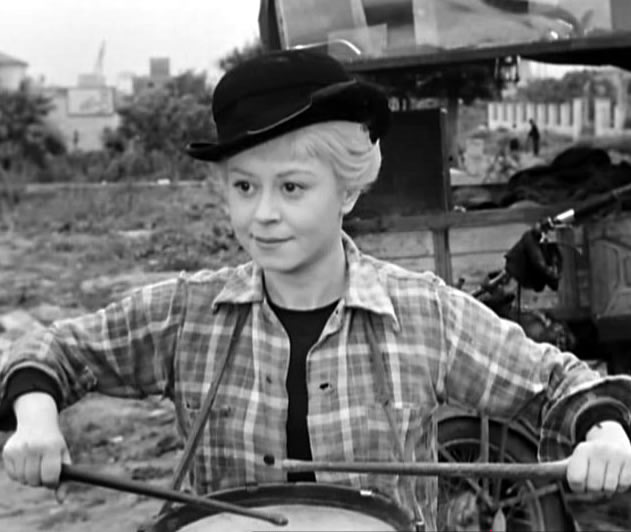
16. Bicycle Thieves

15. Hamlet – Laurence Olivier’s version of The Greatest Play Ever features an atmospheric noir setting and some fun tracking shots that snake through Elsinore castle; it’s probably the best looking adaptation of the Play I’ve seen. The acting is terrible though. Olivier’s plays Hamlet as a whiny weakling who wouldn’t drink hot milk, let alone hot blood. This mid-Century RSC idea of performing Shakespeare as a recitation rather than an emotionally alive experience has thankfully faded away in recent years.

14. The Treasure Of The Sierra Madre – One of John Huston’s best films, though one in which you can still tell why Orson Welles (or was it John Ford?) called him a faker. Humphrey Bogart and Tim Holt are Americans down and out in Mexico who join up with Walter Huston and mine some gold. Soon greed and mistrust and banditos tear them all apart. It’s kind of like a Western, but like a Hollywood prestige Western along the lines of Shane or High Noon: it’s a mainstream, conservative film in the guise of a marginal genre, an elephant in termite’s clothes. Still, Bogart gives one of his better, or at least flashier, performances, and Walter Huston’s a lot of fun as well.

13. The Naked City – Jules Dassin’s highly influential procedural noir, which spawned the famous tagline “There are 8 million stories in the naked city. This has been one of them.” 1948 was a great year for noir, one in which its transition from a specific genre (detectives, femmes fatales, etc) to a general style (shadowy images, moral ambiguity, etc) really begins to solidify. Most of the films on this list show some kind of noir influence: Westerns, romantic comedies, and Shakespeare adaptations along with films in more closely related genres: police procedurals, Neo-Realist melodramas, gothic mysteries. The procedurals are so closely related that they’re often lumped in with classical noir despite their obvious differences. Dassin’s film here is less stylized than the one (sort of) directed by Anthony Mann next on the list, but it’s also a grander, more epic vision of the police force at work throughout the city. Plus, Dassin gets to work with Barry Fitzgerald, the leprechaunian actor featured in many a John Ford film.

12. He Walked By Night – It’s unclear how much Mann actually did direct of this film, but it fits very well with the semi-documentary noir style he used in 1947’s T-Men. Richard Basehart (La Strada) plays the cop-killing criminal on the run from the police. Special focus is given to the technology the cops use to help track him down, with the tech guy played by Jack Webb, who later adapted the style of this movie to create Dragnet. More of a B noir than The Naked City, as I recall, though it did win the “Best Police Film” award at the Locarno Film Festival (Dassin’s film won two Oscars and was nominated for a third). really, the two of them would make a great double feature.

11. Force Of Evil – More of a classical noir is Abraham Polonsky’s study of a corrupt lawyer try to make it big in a corrupt city. John Garfield plays the lawyer, representing a syndicate that wants to control all the rackets in the city, driving the small-time operators out of business, kind of the Wal-Mart of organized crime. Trouble is: Garfield’s brother is one of those small-time crooks. So, he’s got to keep his brother alive, while juggling his evil boss, the boss’ wife and the cute secretary who thinks he isn’t totally evil yet. One of the more beautiful, sharply written noirs I’ve seen.

10. They Live By Night – The first time I saw this, Nicholas Ray’
s debut film as a director, I wasn’t very impressed. Frankly, Farley Granger ruined it for me. He just didn’t look right for either a generic noir hero or for the specific ex-con he was supposed to be playing, he was too soft, too innocent, too obviously intelligent. But, the film has a lot of fans and a year or two later I gave it another chance. I liked it a lot more this time around, able to ignore (or maybe even start to like) Granger and get caught up in the whole doomy romanticism of it all. I liked Cathy O’Donnell as the other half of the ‘young lovers on the run’ pair, and Howard Da Silva made a great bad guy, and both held up on second viewing. I have a feeling if I watched this a third time, I’d really love it. But probably still not as much as the twisted fun of Jospeh H. Lewis’s Gun Crazy, which is now apparently listed as a 1950 movie on imdb instead of 1949. I’ve been noticing this a lot lately, which I guess is good assuming these new years are more accurate, but it means I have to go and move a bunch of movies around. If you notice anything I’ve got listed under the wrong imdb-year, let me know so I can fix it.

9. Portrait Of Jennie – A creepy romantic melodrama starring Joseph Cotton as a haunted painter. Directed by William Dieterle, who did the 1935 version of A Midsummer Night’s Dream that I liked quite a bit. Anyway, Cotton plays a struggling painter who meets a little girl who inspires who to paint something that actually makes him some money. He continues to run into the girl, though she ages remarkably quickly, turning into Jennifer Jones. Cotton is as great as he always is, bringing his grounded Americanness to the gothic twists of the plot. There are some really cool transition shots as well, with the image freezing and fading into a painting (you see the little textured squares of the canvas take over the film image).

8. Macbeth – Orson Welles’s Shakespeare adaptation is much the opposite of Olivier’s, and thank God for that. The two films do share the same shadowy style, but Welles’s is pure B-horror whereas Olivier goes for prestige-noir. The approach to the text in both the acting as much as the more general mise-en-scène is what really differentiates the two films. Welles, badly dubbed, with cheap sets and costumes captures much more the medieval violence of the play and the psychotic emotions at its ghost story heart. Olivier treats Shakespeare like a text to be worshipped, not one to be lived in, felt or experienced. Give me the sloppy, haphazard Welles over Oliver’s polished bloodlessness any day.

7. The Pirate – One of the more twisted musicals Vincente Minnelli ever made, with a warped plot about the joys of abandoning reality in favor of fantasy and show business. Judy Garland plays a girl engaged to the local mayor who dreams of being kidnapped by a famous pirate. Gene Kelly comes to town with a sweet mustache as a traveling actor and is romantically rejected by Garland. He hypnotizes her, discovers her pirate fantasy and the convinces her and the rest of the town that he is said pirate. She runs off with him, abandoning the mayor, who is the actual pirate in question. Make sense? It gets weirder. Along with some catchy songs (I had one of Garland’s stuck in my head for two weeks after the last time I watched this) and great dancing from Kelly (as usual) and the Nicholas Brothers, who weren’t in nearly enough movies.

6. Rope – Another Farley Granger movie, but he fits much better here as the uncomfortable half of a preppy murder duo. Director Alfred Hitchcock’s experiment in long takes (the film is made up entirely of ten minute shots linked by invisible cuts) is what gets most of the attention when talking about this film, but they way it presents a variation on the famous Leopold & Loeb murder case, with the killers deluded by sophomoric misunderstandings of their teacher’s lectures on Nietzche and Dostoyevsky is fascinating as well. Jimmy Stewart is outstandingly cast against type as their professor, who is quite dramatically shown the downside of his philosophizing.

5. Unfaithfully Yours – I just saw this Preston Sturges film a few weeks ago, and if anything it’s grown in my memory since then, when I already really liked it. Rex Harrison, in particular, is astounding in the role: no one else I’ve seen has been able to deliver Sturges’s dialogue at the breakneck speed it requires. It’s unfortunate that unlike Cary Grant with Howard Hawks or John Wayne with John Ford, there was only one film for this great actor-director combination. But this film bombed and all but ended Sturges’s career.

4. Letter From An Unknown Woman – I wrote this after seeing this for the first time (and unfortunately only time so far): “Joan Fontaine stars in this Max Ophuls film about a woman’s lifelong obsession with a philandering pianist who doesn’t know she’s alive. Beautiful, heartbreaking, and darkly tragic as we realize just how delusional the poor girl is. Ophuls masterly fluid direction is at it’s best.” Fontaine really is terrific in the movie, but then I always think she’s great. It was her production company that financed the film, and I understand it was her decision to hire Ophuls, helping get his career back on track after he spent the war years seemingly languishing unused in Hollywood. So “yay!” for Joan Fontaine. She’s so much better than her sister.

3. Fort Apache – The first part of director John Ford’s informal “Cavalry Trilogy” stars John Wayne as the reasonable captain of a frontier troop holding an uneasy peace with the local Indians. When martinet colonel Henry Fonda shows up to take charge, he wastes little time leading his men into a disastrous battle. The military/political side of the story is the first in a series on Ford film’s that undercut both Western myths in general and Hollywood depictions of Indians in particular, and it’s evenly balanced with the kind of community-building family life stories Ford used to balance all his action films. A grown-up Shirley Temple plays Fonda’s daughter, the mellifluously named Philadelphia Thursday and Ford regulars Victor McLaglen, Ward Bond, George O’Brien and Pedro Armendáriz round out the excellent supporting cast.


2. Red River – It looks to me like this Metro Classic was Howard Hawks’s first Western. There might have been an earlier one, perhaps a silent or something obvious I’m not noticing, but before this time it seems he specialized in screwball comedies and movies with airplanes in them. So this was a bit of a departure for him, as it was for John Wayne, playing the less than heroic, psychotic even, ruthless cattle baron driving his men clear across Texas for the sake of providing America with the beef she needed. Wayne and Montgomery Clift (playing Wayne’s adopted son) provide exactly opposite ideas about acting and, well, about manliness in general, underscoring the moral conflict they have in the film. There’s a lot going on in this film, from the post-war crisis of masculinity (a popular noir theme as well at this time), to the hilarious gay subtext of the conversations between Clift and rival gunman John Ireland, to the deliriously happy ending that doesn’t make the least bit of logical sense and yet emotionally fits perfectly. Simultaneously silly and profound, murderously dark and brightly comic, Hawks walked this tightrope a lot in his career, but I don’t know if he ever did it better.


1. The Red Shoes – Another Metro Classic is possibly the greatest, and probably the most famous, of the many collaborations between writer-directors Michael Powell and Emeric Pressburger. The story of multiple love triangles at a famous ballet company, each of the three principals is in love with two things: another person, and their art. Moira Shearer, a dancer in her first film role, is stunningly natural as the ballet dancer who is the object of affection for Marius Goering, the young composer who loves her and Anton Walbrook, the cold-hearted company director who might love her but loves her in his ballets more. the melodrama is enhanced by the great work of these fine actors (I can’t think of a single bad performance in a Powell & Pressburger film, that surely can’t be a coincidence) and the ensemble that makes up the lively ballet company. But the most amazing thing about the film is its centerpiece ballet sequence, a 15 minute tour de force of hallucinatory Technicolor and state of the art special effects. It raised the bar for musical sequences in film, directly inspiring Vincente Minnelli and Gene Kelly to try to top it in An American In Paris (another Metro Classic). I’ve wandered around in what my favorite Powell & Pressburger film is, it was this one for a long time. Lately I’m less comfortable with some of the turns the plot takes in the final sequences, I think the emotion of the melodrama (and the actors’ skill) hides what are some rather large holes in motivation. But this is after over a dozen viewings of the film. If I didn’t notice it before then, it probably isn’t that big of a deal. At least not enough to keep it out of the top spot for this year.

The Films I Haven’t Seen:

Oliver Twist
Mr. Blandings Builds His Dream House
Sorry, Wrong Number
Call Northside 777
The Big Clock
Germany, Year Zero
Drunken Angel
I Remember Mama
Johnny Belinda
The Fallen Idol
Raw Deal
La Terra trema
The Emperor Waltz
Arch Of Triumph
Spring In A Small Town
Moonrise
A Hen In The Wind
Good Sam
The Argyle Secrets

And now onto the awards.

Best Picture:

The End: The Red Shoes
Oscar: Hamlet

Best Director:

The End: Michael Powell & Emeric Pressburger, The Red Shoes
Oscar: John Huston, The Treasure Of The Sierra Madre

Actor:

The End: Rex Harrison, Unfaithfully Yours
Oscar: Laurence Olivier, Hamlet

Actress:

The End: Moira Shearer, The Red Shoes
Oscar: Jane Wyman, Johnny Belinda

Supporting Actor:

The End: Anton Walbrook, The Red Shoes
Oscar: Walter Huston, The Treasure Of The Sierra Madre

Supporting Actress:

The End: Barbara Lawrence, Unfaithfully Yours
Oscar: Claire Trevor, Key Largo

Original Screenplay:

The End: Preston Sturges, Unfaithfully Yours
Oscar: Richard Schweizer and David Wechsler, The Search

Adapted Screenplay:

The End: Michael Powell & Emeric Pressburger, The Red Shoes
Oscar: John Huston, The Treasure Of The Sierra Madre

Foreign Language Film:

The End: Bicycle Thieves
Oscar: Monsieur Vincent

Film Editing:

The End: Reginald Mills, The Red Shoes
Oscar: Paul Weatherwax, The Naked City

Black And White Cinematography:

The End: Franz Planer, Letter From An Unknown Woman
Oscar: William H. Daniels, The Naked City

Color Cinematography:

The End: Jack Cardiff, The Red Shoes
Oscar: Joseph Valentine, William Skall and Winton C. Hoch, Joan Of Arc

Black And White Art Direction:

The End: Letter From An Unknown Woman
Oscar: Hamlet

Color Art Direction:

The End: the Red Shoes
Oscar: The Red Shoes

Black And White Costume Design:

The End: Fort Apache
Oscar: Hamlet

Color Costume Design:

The End: The Red Shoes
Oscar: Joan Of Arc

Sound:

The End: The Red Shoes
Oscar: The Snake Pit

Original Score:

The End: Brain Easdale, The Red Shoes
Oscar: Brain Easdale, The Red Shoes

Soundtrack:

The End: The Red Shoes
Oscar: Easter Parade

Special Effects:

The End: The Red Shoes
Oscar: Portrait Of Jennie