Movie Roundup: Japanese Catch-Up Edition

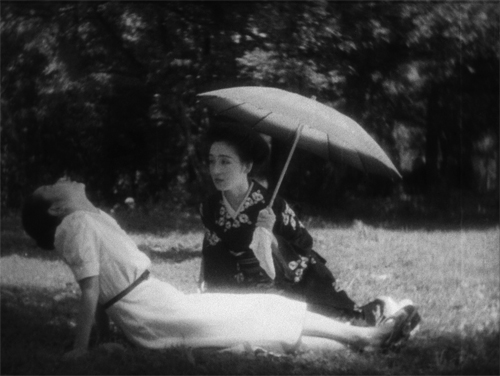
The Masseurs and a Woman – The last two films in Criterion’s Hiroshi Shimizu boxset take place at resort spas.  This one follows a pair of masseurs, both of them blind (as apparently all masseurs in the two films are), and their interactions with various guests.  The opening sequence, with the masseurs hiking to the spa (in shots reminiscent of Shimizu’s earlier film, Mr. Thank You) neatly establishes the blind men in their character (decent guys, but not above irascibility and revenge-taking) and abilities (they can tell how many people they are passing on the road by sound and smell).  At the spa, we meet a variety of characters: a group of students who aren’t particularly nice and receive painfully destructive massages in turn, a single man and his nephew, and a woman from the city.  One of the masseurs falls for the woman in one of the most seductive scenes in all of Japanese cinema as she passes him in the street and teasingly leads him along with the smell of her perfume.  It’s a lovely film, combing the visual elegance of Shimizu’s Japanese Girls at the Harbor with the low-key humanist melodrama of Mr. Thank You.  The #8 film of 1938.

Ornamental Hairpin – The last film in the Shimizu box follows a self-created community of vacationers at a spa.  Yasujiro Ozu’s great star Chishu Ryu stars as a young man who accidentally steps on the titular pin in a bath and injures his foot.  While he recuperates, the other guests (a young couple, a grump old professor, a grandfather with his grandkids) try to bring Ryu and the woman who accidentally left the pin behind together.  Ho hum, yet another Shimizu film overflowing with warmth and humanity.  The #7 film of 1941.

Merry Christmas, Mr. Lawrence – The first film I’ve seen from director Nagisa Oshima, but considering I have a boxset of six of them around here somewhere, it probably won’t be the last.  The obvious film comparison is with Bridge on the River Kwai, though the two films don’t have much in common aside from their setting.  It’s set in a Japanese WW2 prison camp where Mr. Lawrence (Tom Conti), who speaks Japanese, acts as the liaison between the Allied prisoners and their captors.  When David Bowie is assigned to the camp, the enigmatic commander (played by Ryuichi Sakamoto, a pop star of Bowie’s stature in Japan) becomes obsessed with him.  Fortunately, the film’s about more than gay panic and taboo-breaking.  Instead, every major character is complex and fully rounded.  The heart of the film is Takeshi Kitano’s Sgt. Hara, who starts the film as a dogmatic Japanese soldier completely uncomprehending the possibility of any other kind of culture but, through his friendship with Lawrence and his observations of his commander’s often bizarre behavior, comes to realize that the world is far more complex than the ideology of fascist Japan allowed.  Unpredictable and heart-breaking.  The #2 film of 1983.

Humanity and Paper Balloons – I’m generally not a fan of depressing movies, but somehow I enjoyed every minute of this film, a thoroughly sad and dark film about the wretched lives of an alley of poor people in 19th century Tokyo.  The plot revolves around a pair of men trying to get ahead.  An out of work samurai appeals to the local minister, who knew his father, for a position so his young family won’t starve, but keeps getting the brush off.  And the local barber tries to branch out into running a gambling ring but keeps getting beat up by the local gangsters.  The director, Sadao Yamanaka (who was drafted and died shortly after completing this film) never revels in the squalidness of the poverty he displays.  Rather, by establishing a real sense of community and collective struggle, he mitigates the darkness with a more humanistic sensibility.  The other residents of the alley, for the most part, cover for each other against the gangsters and rich swells that exploit them, whereas in a lot of Mizoguchi films (to take one of Yamanaka’s contemporaries who loved to make films about the wretched) the entire world conspires against the protagonist(s), even (and especially) their fellow prostitutes and victims.  This communal sense not only gives the film a much needed air of hope for the future, but also makes it feel like a real world has been created for the viewer, rather than a lecture in morality.  The #7 film of 1937.

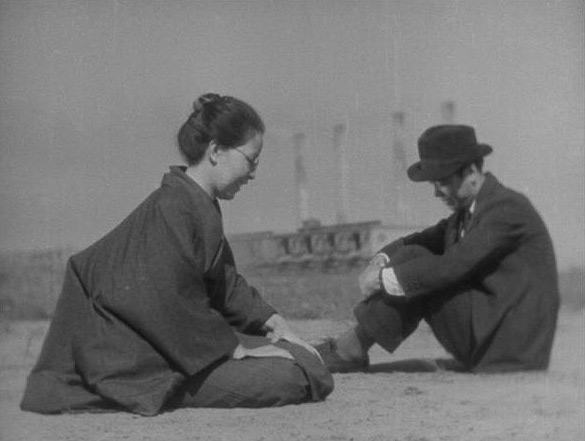
The Only Son – With these last three films, I managed to catch up on all the films by Yasujiro Ozu I’ve had around the house.  This one, his first sound film, is about a widow who works hard at a silk factory to send her son away to college so he can make something of himself.  When he grows up, she goes to visit him and learns that not only has he gotten married without telling her, but he’s dropped out of school and can only find work teaching math at a night school.  He and his wife pawn what they can to show his mom a good time while in town (of course she doesn’t really care to do all the touristy things they take her to), but she’s disappointed in him nonetheless.  In the end, she learns that even though he’s poor, he’s actually a pretty good guy, and so not a complete failure after all.  It’s an interesting twist on the ungrateful child genre, one of Ozu’s perennial favorites, and all the requisite touches of his visual style are locked in place (I think this might be the first where you could say that, at least I don’t recall the previous silent films being this Ozuvian).  The #7 film of 1936.

There Was a Father – A companion film to The Only Son, this time with Chishu Ryu as the father who sacrifices for his son’s education.  Ryu plays a popular teacher who resigns after one of his students dies on a field trip.  For years he works a variety of odd jobs to send his son to school, rarely getting to see him.  When the son grows up and tries to get the father to move in with him, Ryu won’t because it’s his patriotic duty to stay at his job and work hard or something.  It’s very much a wartime film, as Ryu adheres to the rigid code of honor and duty that formed the basis for the fascists’ power in Japan.  But Ozu does what he can to subvert the ideology, pushing the tragedy of Ryu’s separation from his son and the ridiculous sacrifices he makes about as far as he can.  The #7 film of 1942.

An Autumn Afternoon – Ozu’s last film, and one of his best.  Chishu Ryu plays a teacher with three children.  The oldest is married and wants to borrow money from Ryu to buy a refrigerator for his wife.  His daughter is unmarried and doesn’t particularly want to leave the house, but Ryu doesn’t want her to become an old maid (the standard Ozu plot, of course).  The youngest boy is still in school.  The family dynamic is balanced by the professional and alcoholic, as Ryu regularly meets to get drunk with his old army buddies and former colleagues and students.  There’s even a possible romance for Ryu, as a local bar maid reminds him of his dead wife.  The film is structured around a series of trips to bars and features the most rigid color scheme I can recall in Ozu.  Almost every shot contains red, white and blue elements.  I can’t imagine why he would do that, but it’s pretty cool nonetheless.

Watching this for the first time, I couldn’t shake the notion that this was the greatest of Ozu’s many films.  That may have been because I knew it was his last, or just because it contained all of the elements that make his films so great.  At a certain point, especially with the later Ozus, you get the feeling that with each film he is not so much repeating his themes and plots but rather trying to distill an entire career’s worth of art into a single work.  Each of these films is not only a small part of a larger body of work, but contain the whole of that career within themselves.  I think that happens with the late films of a lot of great directors, but Ozu is, as he is in many other respects, the purest example I know.  The #5 film of 1962.

Movie Roundup: End of the End of the Year Edition

The King’s Speech – It’s just all so exactly what you think it’s going to be.  Colin Firth plays George VI in the years before his father died and his brother abdicated to marry a divorced American up to his big speech exhorting his country to war against Hitler.  Geoffrey Rush is his quirky speech therapist.  Helena Bonham Carter is his loving and supportive wife.  All the performances are fine, the sets and costumes are pretty, the score is liberally sprinkled with Beethoven, the jokes are tasteful and witty and vulgar in an appropriately proper manner and any of the more questionable facets of our heroes’ lives are wiped away in a swirl of pseudotherapy and good feelings.  It’s a movie for moms and Oscar voters.  The #30 film of 2010.

The Kids Are All Right – This, on the other hand, is even worse than you expect it to be, the kind of film that makes you understand why “they” hate “us” so much.  Every note of this story about a lesbian couple and their teenaged children is false.  Every character a cliche and every line of dialogue sounds like it was written by someone who has never had a conversation with someone who doesn’t shop at Whole Foods (or have their domestics shop there).  The worst thing is that I think the film is actually probably a pretty accurate portrait of the kinds of people the folks who created this nonsense hang around with.  I’d like to be able to read the film as satire, but it’s so deadly serious about itself that even that cheap way out isn’t possible.  I don’t know which scene I hated more: the one where the son (his name is Laser, seriously) finally realizes his best friend is a jerk because he says “Look! a dog!  Let’s pee on its head!” as if this is a common activity among juvenile delinquents.  Dogs of Los Angeles, beware!  Or the dinner party scene where Annette Benning (a great actress inexplicably getting serious awards buzz for this, maybe because she has an awful haircut) sings Joni Mitchell.  Because, of course she likes Joni Mitchell (she a lesbian!) and because no one who has ever heard Joni Mitchell would ever attempt to sing a Joni Mitchell song like Joni Mitchell.  Hers is not a voice other, non-professional singer humans try to imitate.  Of course she sounds awful, but see that’s what makes it so real.  Gag.  The #44 film of 2010.

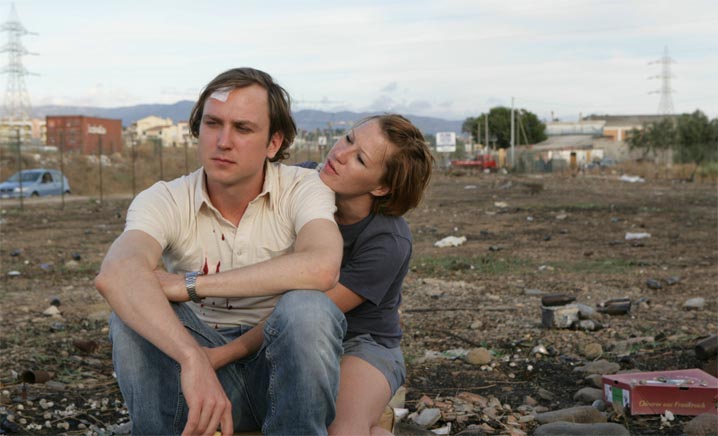
Everyone Else – This is a much better film, though plagued with a lot of the same problems.  Director Maren Ade sets the pace and visual style of real life, and her characters’ actions are somewhat plausible, but in a film that is essentially a two-handed character study, it’s essential that those characters be believable, and I don’t wholly believe these two.  The first third of the film is pretty great, as Chris and Gitti vacation and have good and bad times together (seems he can’t get a real job because he’s either too meek or too lazy, but the two share a sense of humor and genuinely like each other).  However, when they meet an obnoxious couple and Chris starts to act like the chesseball jerk of a husband because he thinks that’s what Gitti means when she exhorts him to be a productive member of society, the film lost me.  The film sets up a limited, either/or idea of male behavior (loser/douchebag) that isn’t the least bit insightful.  It just stacks the deck in the way a writer more interested in concepts than characters does.  The #47 film of 2009.

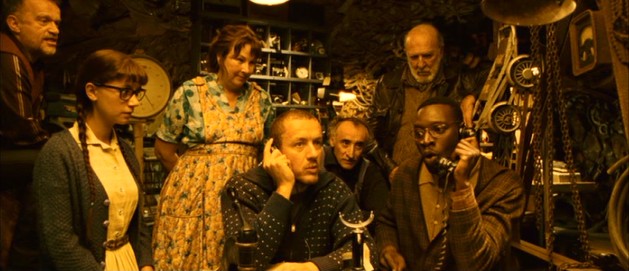
Micmacs – The latest from Jean-Pierre Jeunet stars Dany Boon as a video store clerk who gets accidentally shot in the head.  He survives, but loses his home and his job and walks the streets until he joins a gang of homeless freaks who collect trash and make cool stuff out of it.  He and the gang launch a complicated war against the two competing arms manufacturers in town (they made the bullet that shot Boon and the landmine that killed his father) that starts as a series of pranks and escalates (an arms race, naturally).  As is usually with Jeunet, the film is a visual treat, with lots of golden light and earth tones and whimsical people and machines.  Unlike his best films, however, the subject matter is a poor fit with his style.  The seriousness of the international armaments black market, the horrors of unexploded ordinance, assassinations and kidnappings and explosions and dead children don’t make sense in a world where the main love interest is a contortionist who spends much of her time hiding in refrigerators.  The balance between real world and fairy tale is something Jeunet’s earlier films (Amelie, A Very Long Engagement, City of Lost Children) get pretty much right, but the incongruity in this one is just too jarring.  The #39 film of 2009.

The Green Hornet – Feels like a movie that took 15 years to get made, and went through the hands of at least as many people before it finally did.  The resulting sensibility mashup between writers Seth Rogen and Evan Goldberg and director Michel Gondry isn’t particularly unpleasant, it’s just relentlessly mediocre.  Rogen plays the son of a fabulously wealthy newspaper editor(!) who, after his father dies, joins with his dad’s mechanic Kato to form a crime fighting duo.  They draw the attention of the town’s supervillain (Christoph Waltz) and various explosions and high speed chases ensue.  Taiwanese pop star Jay Chou plays Kato, and while he’s funny enough, he’s no match for Rogen and his fight sequences aren’t exactly to the level you expect in a role played on TV by Bruce Lee.  On the few occasions when Rogen and Chou’s timing syncs up, the film can be pretty funny, and Gondry uses 3D well enough in the fight sequences, which contain a potentially neat idea that doesn’t really go anywhere as Kato is able to move as if everyone around him is in slow-motion.  It’s basically a 3D version of some of the fights in The Matrix, but dumbed down a bit: we get Kato’s opponents’ weapons helpfully highlighted for us, otherwise we’d lose them in the cluttered, darkened 3D visual field, I guess.

Movie Roundup: Christmas with the Shaw Brothers Edition

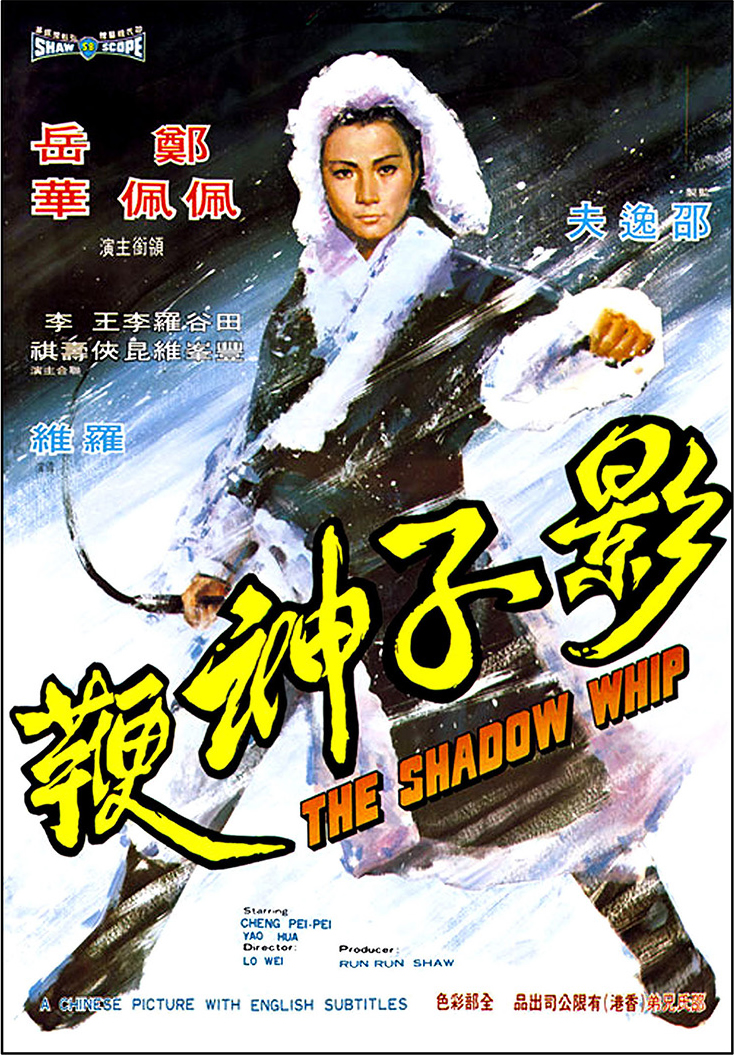
The Shadow Whip – Cheng Pei-pei (Come Drink With Me, Crouching Tiger, Hidden Dragon) stars as the adopted daughter of the world’s foremost expert in bullwhip kung fu.  When the people who killed her parents and framed him for theft track them down, it’s up to her and a handsome traveler to defeat the bad guys and right wrongs and such.  Directed by Lo Wei, whose Brothers Five, made the previous year and also starring Cheng, I found so impressive a few months ago.  There are a few of the signature overhead group choreography shots that were so striking in that film here, but mostly the film is done in by the cheapness of the stunts (including the most obvious wire I’ve ever seen in a kung fu film) and the inherent impossibility of creating good fight choreography when the protagonist’s weapon is a whip.  It just looks dumb.  And speaking of looking dumb, poor Cheng Pei-pei is dressed like Santa Claus through the whole thing.  The #18 film of 1971.

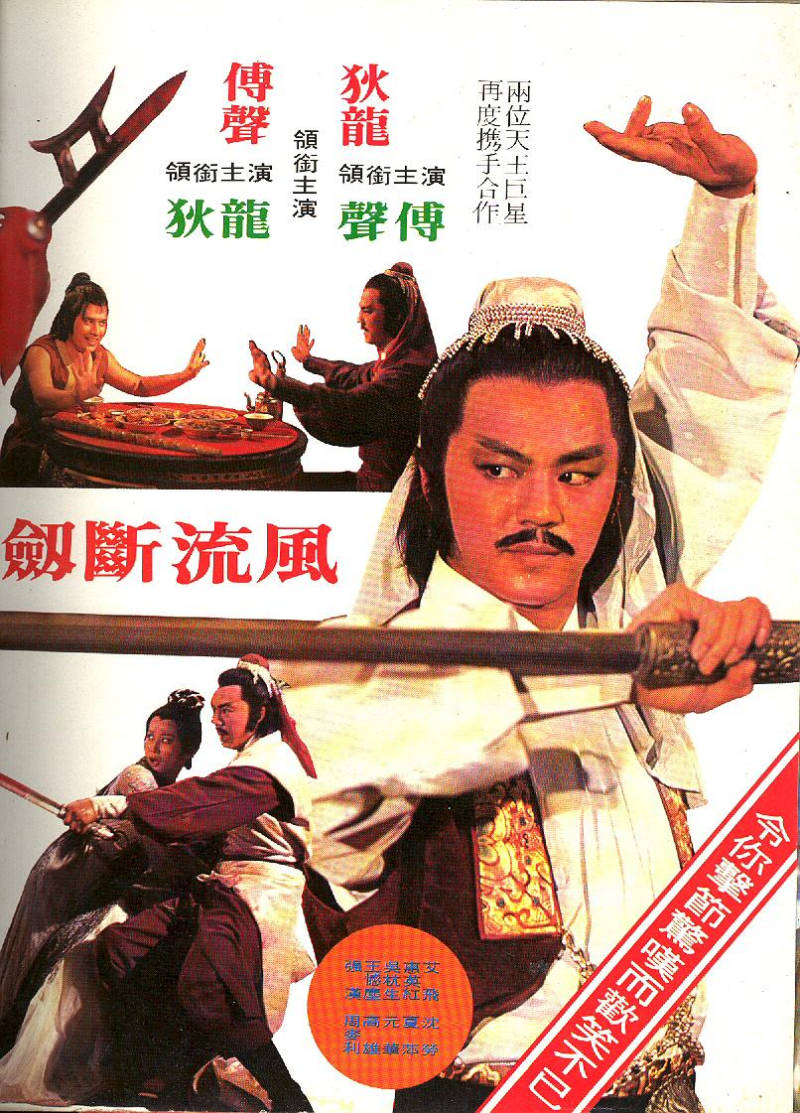
The Deadly Breaking Sword – An unusual film in that none of the characters are particularly sympathetic, or even likable, but nonetheless has some good fight scenes and big stars Ti Lung and Alexander Fu Sheng.  Ti plays the owner of the titular weapon, a sword which he breaks off a bit of inside every person he defeats in combat.  He walks the earth proving what a badass he is and killing people who challenge him.  The other hero, Fu, is a reprobate gambler and monkey style expert.  The plot involves various people searching for the Killer Doctor, for various reasons (revenge, pride, debt collection, etc).  Director Sun Chung creates a complex web of character interrelationships in a much more sophisticated plot than another kung fu mystery, Chang Cheh’s The Five Deadly Venoms.  But that film had, eventually, a spectacular climactic fight sequence and a number of charismatic performances.  This one has merely good fights and good performers playing unlikeable, and mostly uninteresting, characters.  The #17 film of 1979.

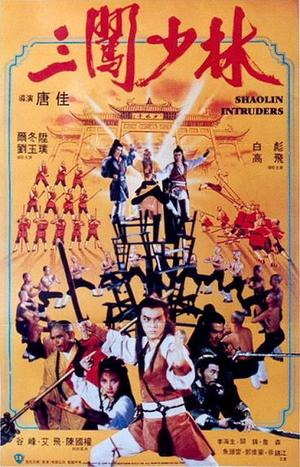
Shaolin Intruders – Vastly superior is this film by Tang Chia.  Someone is killing the heads of the top kung fu clans, and all signs point to the Shaolin Temple.  Three heroes investigate (after being accused themselves of the crimes) and must fight their way (non-fatally) through the temple before they are allowed to ask any questions.  It’s a flimsy plot premise, but stronger than something like Heroes of the East (though that film is a lot of fun) and the fight sequences are very good.  Tang was a choreographer early in his career with Lau Kar-leung, and the similarities show.  It’s hard to pick the best sequence, as all of the Temple fights are well done, but the showdown with the Temple abbot on a room full of benches (prefiguring one of my all-time favorite fight sequences: the battle on the crowd in Jet Li’s The Legend of Fong Sai-yuk) would probably take it if I had to pick one.  The #6 film of 1983.

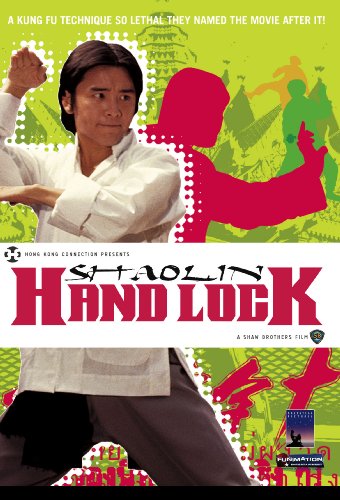
Shaolin Handlock – Maybe it’s the influence of Bruce Lee, or just the modern day setting, but this David Chiang film feels weirdly out of place.  Or rather, David Chiang feels weirdly out of place in this modern day film.  He’s the son of the inventor of the titular kung fu style who is investigating his father’s murder.  It actually doesn’t take much investigation (just burst in on a bad guy in the middle of a tryst with a naked prostitute and ask), he spends most of his time playing a Raymond Chandler-esque game of posing as the villain’s new bodyguard and poisoning him against his right-hand man (think Miller’s Crossing).  There is a clever twist to that formula near the end, albeit one that strains all credulity.  There are some good fight sequences, but they’re pretty rare, though the final showdown is pretty good.  The #13 film of 1978.

Brave Archer and His Mate – This is the fourth film in the Brave Archer series, and I haven’t seen any of the first three.  Perhaps that explains the rapid-fire exposition of the first third of the film, where characters get killed, solve murders, double-cross each other and kill even more people with remarkable alacrity.  Eventually, things mellow out and we travel 15 or so years into the future.  The Archer and his Mate raise some kids, one of whom is the son of a bad guy that got killed in the beginning.  When they start to teach their brood kung fu, the adopted kid (Alexander Fu Sheng) gets picked on, turns a little evil and falls under the influence of crazy bad guy Ouyang Feng (played by Wang Li).  This bad guy is actually the Leslie Cheung character from Ashes of Time, as this was based on the same Louis Cha novels as Wong Kar-wai’s film (there are absolutely no other similarities between the films).  Anyway, the Ouyang Feng plot gets quickly resolved and the last third of the film takes place in a totally different environment, as the Archer and Fu Sheng help some monks fight off some horny bad guys who want to hook up with a dead girl.  Or something.  This is the only part of the film with any real fight sequences, and director Chang Cheh utilizes several of his Venoms to good effect.  On the whole, the movie’s a mess, and I doubt it would be better after seeing the first three films, since it’s mostly the story of a whole new generation of characters.  The #24 film of 1982.

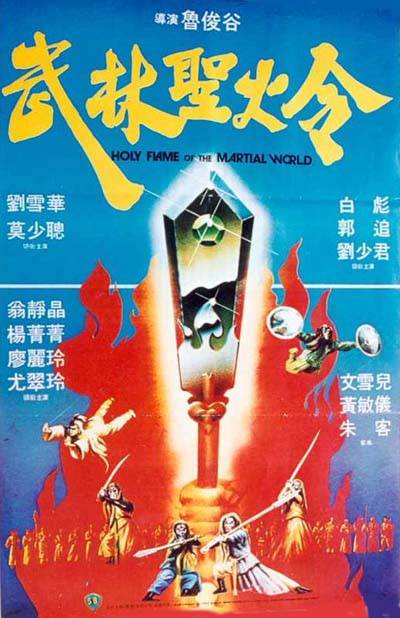
Holy Flame of the Martial World – One of those kung fu movies where people fly around and shoot fire out of their hands and stuff, though it doesn’t have the inspired lunacy of the Chinese Odyssey films or the manic chaotic energy of Kung Fu Cult Master.  A husband and wife team has a map to the Holy Flame, a kind of badass sword, and a group of martial arts clan leaders murder them for it.  Their daughter is raised by one of the bad guys, their son by a good guy (whose signature technique is a laugh that creates a hurricane).  When they grow up, the guy quests to find the sword, rescues the daughter of a snake salesman from a human sacrificing zombie clan (she gets some powers of her own when a snake bites her finger, allowing her to shoot lasers from said finger) and makes friends with the disciple of one of the bad guys.  Eventually, there’s a showdown between bad guys and good guys, with tons of cheesy special effects and nonsense dialogue.  It’s a fun film.  The #17 film of 1983.

Journey of the Doomed – A weird kind of exploitation melodrama with a little kung fu thrown in.  A young girl raised in a brothel (but still a virgin) is discovered to be the illegitimate daughter of the heir to the throne  Both the heir and his brother send people after her, leading to the extended and explicit slaughter of every girl in the brothel (and there are a lot of them).  This, and an opening sequence of a john torturing another girl, seem to exist merely for the opportunity to revel in violence against naked women.  Then the film turns into a weird domestic romance, where the girl and the guy who eventually saves her from her assassins settle down in a cabin in the woods (complete with a happy country life montage).  That goes wrong when the girl becomes jealous of the mute girl who also lives in the woods and isn’t nearly as pretty and runs away.  It all ends in a spectacular, bloody fire.  Strange, and mostly unpleasant.  The #34 film of 1985.

Movies of the Year: 2010 (Part Two)

Over at the home of Metro Classics, we’ve got a couple of Best of 2010 lists for films that played this year in the Seattle area.  But here at The End, the list of 2010 films will only include films that were first released in 2010, regardless of whether or not they were distributed widely through the malls of America.  It is, as always, incomplete, and will be updated as necessary on The Big List.

1. Certified Copy
2. Oki’s Movie
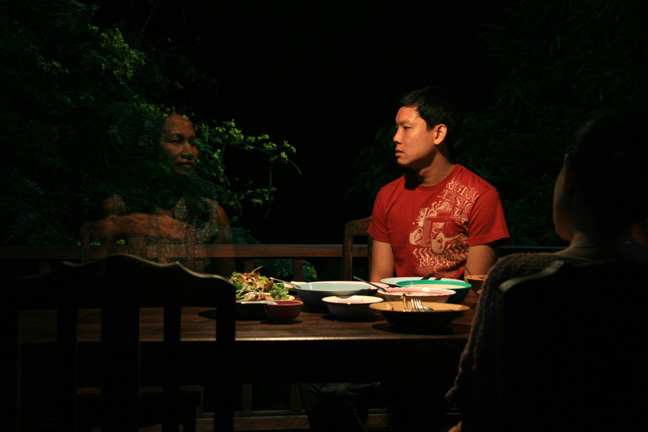
3. Uncle Boonmee Who Can Recall His Past Lives
4. Carlos
5. Exit Through the Gift Shop
6. Day and Night
7. Black Swan
8. True Grit
9. 607
10. The Social Network

11. Thomas Mao
12. Hahaha
13. I Wish I Knew
14. Shutter Island
15. 127 Hours
16. Greenberg
17. Toy Story 3
18. The Sleeping Beauty
19. Get Out of the Car
20. The Drunkard

21. Poetry
22. Strange Powers
23. Scott Pilgrim vs. the World
24. Gallants
25. Centurion
26. The Strange Case of Angelica
27. Made in Dagenham
28. Winter’s Bone
29. The Ghost Writer
30. The King’s Speech

31. Merry-Go-Round
32. My Film and My Story
33. Crossing the Mountain
34. Sweetgrass
35. The Fourth Portrait
36. Casino Jack and the United States of Money
37. Inhalation
38. Inception
39. The Indian Boundary Line
40. Predators

41. Icarus Under the Sun
42. Rumination
43. Hot Tub Time Machine
44. The Kids Are All Right
45. The Tiger Factory
46. Green Zone
47. The Last Airbender

Movies of the Year: 2010 (Part One)

Continuing an annual tradition, here are the Top 100 movies I saw for the first time in 2010. I’ve written about all of these here in movie roundups throughout the year. Ineligible are many great movies from the last few years, basically it only includes movies older than The Romance of Astrea and Celadon, which would surely have made the list otherwise.


1. The Docks of New York


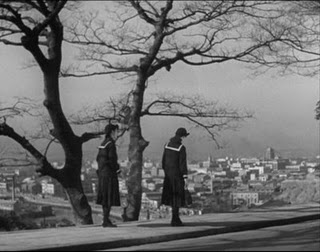
2. Japanese Girls at the Harbor


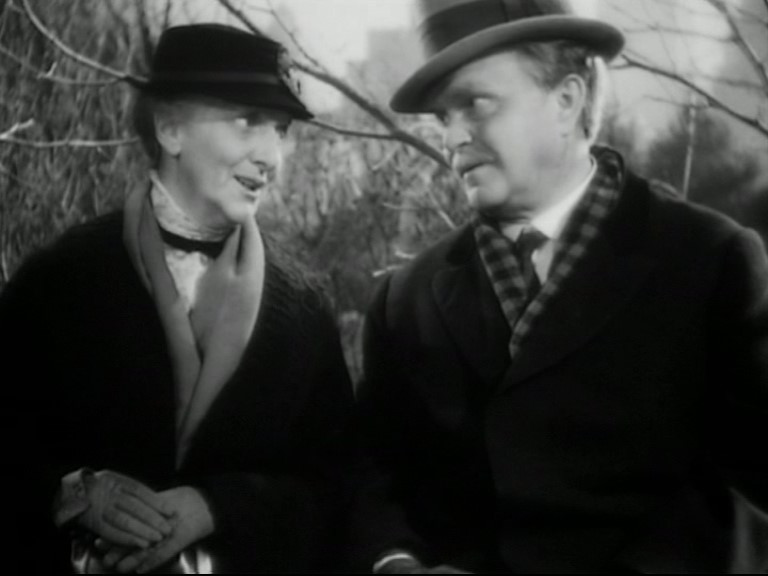
3. Make Way for Tomorrow


4. The Green Ray


5. Dragon Inn

6. My Night at Maud’s
7. The Scarlet Empress
8. Intolerance
9. There’s Always Tomorrow
10. Murder By Contract

11. Petulia
12. Los Angeles Plays Itself
13. PTU
14. Women on the Verge of a Nervous Breakdown
15. Claire’s Knee

16. Hallelujah, I’m a Bum
17. Scarlet Street
18. Under the Roofs of Paris
19. The Puppetmaster (1993)
20. To Live and Die in LA

21. Walkabout
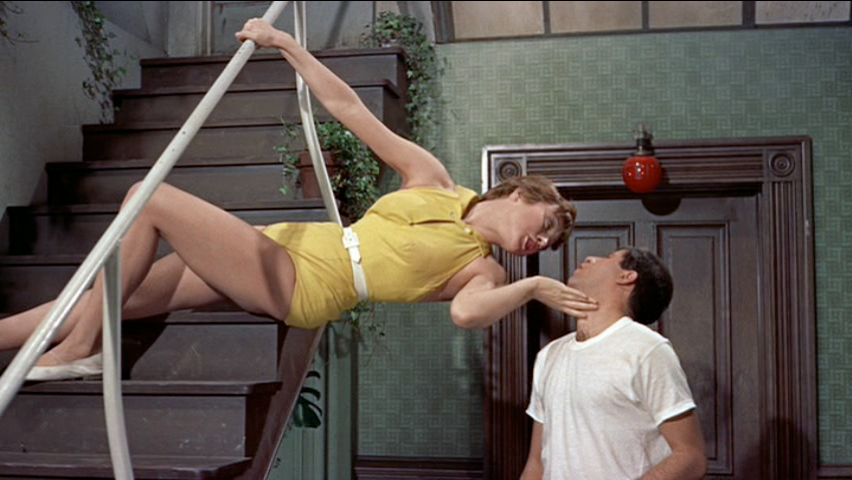
22. I Love Melvin
23. Remember the Night
24. Dodsworth
25. Crippled Avengers
26. No Greater Glory
27. Pandora and the Flying Dutchman
28. The Blue Angel
29. It Should Happen To You
30. Exiled

31. Curse of the Cat People
32. Assault on Precinct 13
33. True Heart Susie
34. The Big Parade
36. La Collectioneuse
37. Heaven Can Wait (1943)
38. Underworld
39. The Phenix City Story
40. Les Vampires

41. The Lineup
42. Fucking Åmål
43. Moonrise
44. Private Fears in Public Places
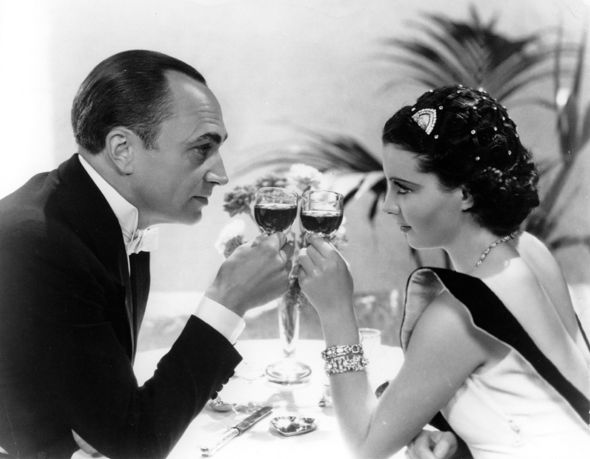
45. Design for Living
45. Matinee
46. Orphans of the Storm
47. Senso
48. The Last Command
49. Bigger than Life
50. Where the Sidewalk Ends

51. The Lusty Men
52. White Dog
53. The Bakery Girl of Monceau
54. 8 Diagram Pole Fighter
55. Night and the City
56. Man Hunt
57. Give a Girl a Break
58. Scandal Sheet
59. St. Martin’s Lane
60. The Friends of Eddie Coyle

61. The Big Clock
62. Suspiria
63. Le cercle rouge
64. Close-Up
65. China Girl
66. Looney Tunes: Back in Action
67. Lifeline
68. It’s a Gift
69. L’Argent
70. Love Me Tonight

71. Artists and Models
72. The Bitter Tea of General Yen
73. The Story of a Cheat
74. Tarzan, the Ape Man
75. What Price Hollywood?
76. Will Success Spoil Rock Hunter?
77. The Power of Kangwon Province
78. The Shopworn Angel
79. Dirty Harry
80. Party Girl (1958)

81. Ecstasy
82. Eyes Without a Face
83. The Navigator
84. Brothers Five
85. It’s A Wonderful World
86. The Front Page
87. Safety Last!
88. Way Down East
89. The Secret Beyond the Door
90. Woman in the Window

91. Dark Journey
92. October
93. The Invisible Man
94. Fixed Bayonets!
95. Barbary Coast
96. The Spirit of the Beehive
97. The Sniper
98. The Black Swan
99. Horror of Dracula
100. Mission to Moscow

Movie Roundup: New Year’s Eve Eve Edition

True Grit – The Coen Brothers remake of the classic Henry Hathaway film that earned John Wayne his only Best Actor Oscar is the kind of seemingly effortless filmmaking great directors make when they’re on a roll.  Not a peak-level masterpiece, but a very good film; Barry Bonds in 2000 rather than Bonds 2001.  Jeff Bridges plays a one-eyed US Marshal hired by a precocious 14 year old girl (a verbally advanced performance from Hailee Steinfeld) to track down her father’s killer.  Intermittently joining them on the hunt is Matt Damon as a Texas Ranger named LeBoeuf (pronounced “LeBeef”).  The Coens found a kindred spirit in their love of bizarre English dialects in the highly stylized circumlocutions of the original novel, language that was, as I recall, largely normalized in the first film version.  It’s the only film this year that loves language more than The Social Network. The result is easily the Coen’s funniest film since The Big Lebowski, leavened with the brand of existentialism, grounded in the apparent randomness and arbitrariness of justice in the universe, that so strongly characterized their good films of the last decade.  It also might be their most beautiful film to date, starting with a stunner of an opening shot, a golden light in a blizzard that could have come out of a classic children’s book.  What really makes the film special, though, is the final 15 minutes or so, with a midnight ride strongly reminiscent of the river sequence in Night of the Hunter (it uses what appears to me to be rear projection to add a sense of fairy tale delirium) that cements its position as the year’s best evocation of the Old, Weird America, edging out the more prosaic, and much less fun, Winter’s Bone.  On first viewing, I’m not sure how well it all flows together, it seemed more disjointed that it probably should in the transition from the town to the journey and then the disintegration and reintegration of the group.  But I can’t wait to see it again.

Mother – In a plot eerily similar, and yet totally different, from Lee Chang-dong’s 2010 film Poetry, Kim Hye-ja sees her developmentally disabled son accused of murdering a young girl.  Initially she pleads for help from the police, former customers (she’s an unlicensed acupuncturist), and an arrogant attorney, even the victim’s family, each time adopting a submissive tone of voice and humble mannerisms, straightening and saddening every time she gets shot down.  Eventually, with some advice and help from one of her son’s friends, she takes it upon herself to investigate the crime and find the real killer.  Her actions once she does are what limit this to being merely a clever genre exercise with a cynical, rather depressing view of the world.  It’s as funny, at least in the beginning, as director Bong Joon-ho’s last film, the very fine monster movie The Host, but it leaves you cold.  Poetry, on the other hand, has a much more expansive and tragic view of life and its characters, a real affection for them that Bong’s more narrow film doesn’t allow.  Or at least, in the film’s final scenes, our sympathy with the Mother either feels forced at best and satirical at worst.  The #33 film of 2009.

Genius Within: The Inner Life of Glenn Gould – I can’t imagine a less exciting documentary about such a fascinating musician.  Like most of the worst examples of its genre, it puts the focus on the artist’s personal life (which is exceptionally dull, even for a Canadian) instead of their work, which is the reason we want to see a documentary about him anyway (for a much better example of how to make a classical music doc, see In Search of Beethoven, from a couple of years ago).  Aside from a few sparse scenes with one of Gould’s conservatory classmates, wherein she demonstrates the radically different approaches Gould took to various pieces of music, there’s almost no discussion of the actual music he created.  Worse than that, we get no real context to place Gould within his era, either of post-war classical music, or the wider culture of the 50s and 60s.  The best we get on that end are overblown claims of Gould’s importance in recording music in a studio in the 1970s, as if he invented the idea of splicing different takes together.  The best parts of the movie are archival interviews with Gould, where he is articulate, funny, and a bit kooky, though he never seems as weird as the various talking heads seem to think he was.  Maybe that’s a genre thing, or considering that the only popular musician mentioned in the film is Petula Clark, maybe the filmmakers really just don’t have any idea of what was going on in pop culture in Gould’s time.  The #59 film of 2009.

Movie Roundup: New Year’s Eve Eve Eve Edition

The Ghost Writer – A paranoid conspiracy thriller from Roman Polanski that has good performances and great atmosphere and not a whole lot else.  Ewan MacGregor is hired to ghost write the memoirs of former Prime Minister Pierce Brosnan.  Brosnan’s being charged with war crimes for helping the US government extraordinarily rend Iraq War prisoners to be tortured, but there may be a bigger secret hidden within the memoirs that cost the last ghost writer his life.  The plot, and the politics, are by far the least interesting things about the film, which is better experienced as a sequence of moods created through images and music.  In fact, I bet I would have liked the whole thing better if it was dubbed into some language I don’t speak.

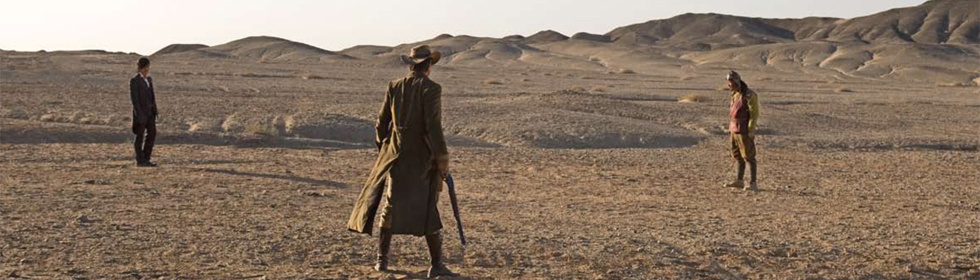
The Good The Bad The Weird – An affectionate homage to the Spaghetti Western and the first film I’ve seen from director Kim Ji-woon.  Set in Manchuria in the 1940s, the titular guys are all after a treasure map while trying to avoid the police, rival gangs of criminals and the Japanese army.  The Good is a bounty hunter, The Bad is a badass hired killer and The Weird is a comical thief.  The film rollicks from massive action set-piece to massive action set-piece, rarely letting up for anything as boring as character development or plot complication.  Fortunately, the action sequences are wonderfully done.  Kim’s camera moves constantly, but never distractingly, and he maintains the integrity of his spaces better than most Hollywood action directors can manage.  It’s a tremendously entertaining film, if not as audacious a take on the genre as Wisit Sasanatieng’s Tears of the Black Tiger.  The #20 film of 2008.

The Art of the Steal – A rich guy named Barnes amassed a massive collection of post-Impressionist and early modern art and hated museums and rich people.  He built is own museum/school to house the art, and displayed it in fascinatingly incongruous ways (to create aesthetic context for the art, rather than simply chronologically by artist and movement, like most museums).  When he died, he insisted that his art, valued in the billions of dollars, never be sold, or loaned or moved, especially not to the rich swells of Philadelphia society.  So, for the next 50 years, the rich swells did everything they could think of to steal the art, and finally succeeded, under the guise of “saving” the art from Barnes’s now fiscally-troubled foundation.  It’s a great and depressing story, more so because something not entirely dissimilar is currently happening to my movie theatre (don’t ask).  But as a documentary film, it really isn’t anything special.  The #40 film of 2009.

The Beaches of Agnes – More cinematically interesting is Agnes Varda’s autobiographical documentary.  Narratively it’s pretty straightforward, covering her childhood, education, encounters with the New Wave, relationship with fellow director Jacques Demy and various of her films.  Visually, it’s something else, suffused with arty mirrors and pretty beaches and recreations of events from her life (sometimes using her films, sometimes not) and brilliant colors and Varda herself walking backwards as she reminisces about her past.  Chris Marker even shows up as an animated cat.  It’s all quite lovely.  I kinda want her to be my grandma.  The #24 film of 2008.

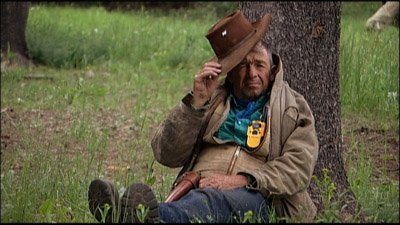
Sweetgrass – This is the third time I’ve seen a sheep give birth on film in the last 16 months and I’ve really had enough.  Yes, the miracle of life is gross.  Enough!  Much like Way of Nature, a Swedish doc I saw at the Vancouver Film Festival last year, this is about a year in the life of a sheep farm.  And the first half or so of this one is much the same as that one (which was alright, but not really all that interesting).  In the second half of this one, though, a pair of cowboys are left on a Montana mountainside to watch the herd graze for the summer.  One is a grizzled veteran, who mumbles to his horse and shoots wildly at shapes in the night that might be wolverines.  The other is younger, and may very well be the whiniest cowboy who ever herded sheep.  Apparently he’s shocked to discover that life on a mountain is hard.  The film’s high point is him, on a beautiful mountainside (the locations are absolutely stunning), sheep wandering in the distance, complaining to his mom on a cell phone about how hard his job is.  I see generations of men rolling over in their graves.  The film ends with a short statement that farmers aren’t allowed to graze their sheep on these public mountainsides anymore, but we aren’t told why.  Perhaps this new generation of cowboys is the reason.  The #42 film of 2009.

Movie Roundup: Neptune Discovery Edition

Black Swan – Edges out Susperia as the greatest ballet horror film ever made.  Natalie Portman, in perhaps her greatest performance to date, plays Nina Sayers, a repressed ballerina who gets cast as the two-sided lead in Swan Lake, but in order to play the uninhibited Black Swan part (the id to the lead White Swan’s virginal fragility) her director insists she learn to loosen up and get in touch with herself, literally.  Obsessed with achieving artistic perfection, she does her best.  And as her repression cracks, so does the rest of her mind, leading to hallucinations of both the scary and sexy variety, hysterical arguments with her overprotective mom and possible violent actions against Winona Ryder.  Everything we see is filtered through Nina’s damaged consciousness, which means we can never be sure whether what we’re seeing is real or not.  But this is balanced by director Darren Aronofsky’s resolute focus on the physical punishment of the ballet itself.  We get the ugly realism of mutilated toes and feet mixed with the campiness of Natalie Portman turning into a bird.  It’s a potent mix of near, but not quite over, the top psychodrama and realism.  Roman Polanski pulled off the same trick with Repulsion, but that film simply made me feel awful, while I loved this one.  It probably comes down to the fact that I’m convinced that in the end, Nina does pull off the transcendence she was after, and that made it all worthwhile.

Winter’s Bone – A melancholy noir from director Debra Granik about a poor Missouri teenager (Ree, played by Jennifer Lawrence) who attempts to hunt down her missing father before the cops seize her house, which he has used to post bail.  Ree normally spends her time taking care of her little brother and sister and their mom, who’s disabled in some way.  She lives in a run-down back country of pickup trucks and meth dealers, her environment is by far the most interesting thing in the film.  It isn’t a mystery so much as a study of the world Ree has to deal with, managed by scary women but ruled by even scarier men, that takes on a near-mythological abstraction and unreality as it moves along.  In the second half of the film, with the mystery slowly wound down to nothing, all we’re left with is the girl in the environment, which has few rays of light (literally, the bleak overcast grayness of the cinematography is beautiful).  She gets some help from her terrifying, but mostly decent uncle, played by Deadwood‘s John Hawkes, who is always great, but the only really helpful adult in the film is the local Army recruiter, who does his best to give her some hope.  Still, it’s not really a depressing film, it’s more resigned to struggle on in the face of a vast American sadness.

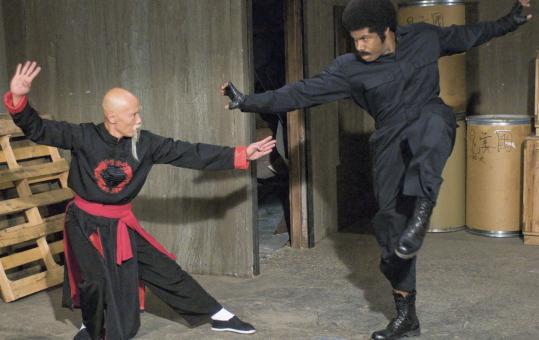
Black Dynamite – It may not sound like much to praise a film for being the movie that Pootie Tang probably wanted to be, but it’s either that, or it’s the missing third part of the glorious Grindhouse triple feature.  This playful sendup of 70s blaxploitation films is ridiculous, silly and more fun that it has any right to be.  I swear I was completely sober when I watched it, and it was hilarious.  Michael Jai White plays the titular hero, an ex-CIA agent who unretires to avenge the murder of his brother at the hand of gangsters, in a conspiracy involving drugs, orphanages, malt liquor, the fiendish Dr. Wu, master of Kung Fu Island and the Nixon White House.  The #23 film of 2009.

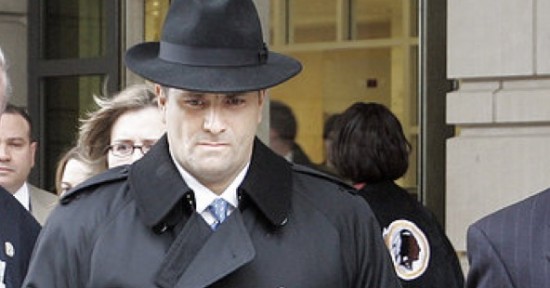
Casino Jack and the United States of Money – A solid lefty documentary by Alex Gibney about Jack Abramoff and the scandal that is the American lobbying and campaign finance system.  The most interesting thing about it are the early scenes of Abramoff in the College Republicans in the early 80s, where he palled around with Ralph Reed (the weasel best known for running the Christian Coalition), Grover Norquist (the libertarian who pioneered cutting taxes as a means of making government inoperable) and, hovering in the background, Karl Rove, the Dark Lord himself.  Abramoff uncovered new and sleazy ways of laundering money to political groups (most egregiously by bilking Indian casinos and sending the money to right-wing, ostensibly Christian (and anti-gambling) groups.  He also produced the Dolph Lundgren classic Red Scorpion, clips of which prove that even Jack Abramoff managed to do some good for the world.

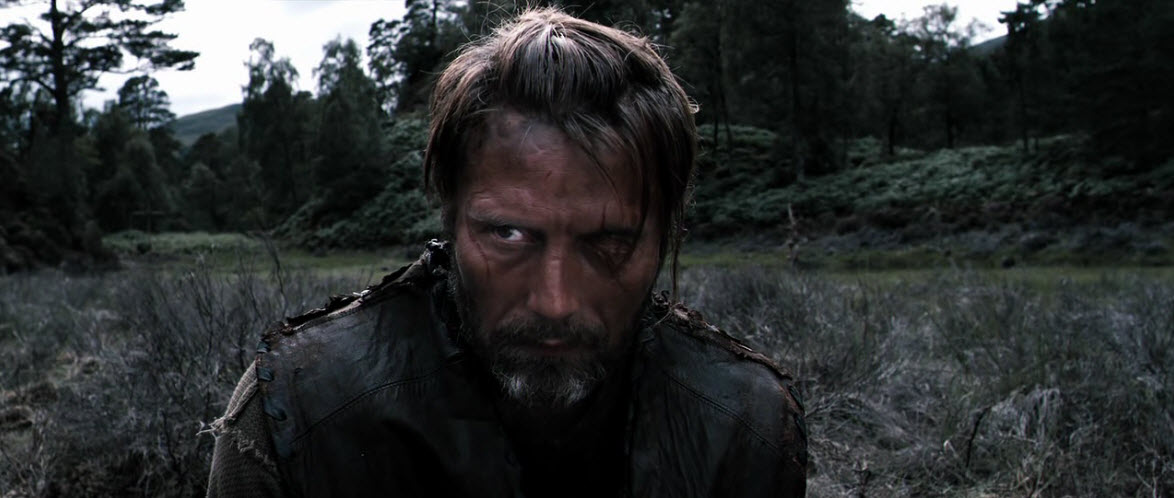
Valhalla Rising – Mads Mikkelson stars as an enslaved, one-eyed Viking who escapes his Scottish tormentors (they tie him to a pole and watch him fight other men, apparently for entertainment, though he always wins in the most gruesome fashion) and, helped by a young boy, joins a group of Christians headed for the Crusades.  Their ship gets lost in a fog, however, and they eventually end up in North America, with disastrous consequences.  It stylistically lies somewhere between Dead Man and Aguirre, the Wrath of God, though it’s far more brutal and bloody than either of those two masterpieces, or pretty much any other movie you’re likely to see.  Director Nicolas Winding Refn, whose last film Bronson, which I haven’t seen yet, is supposed to be pretty good, drains every inch of hope out of the film, and the result is, I’m sure, very similar to what the world must have looked like to a psychotic, one-eyed Viking.  It’s a unique and powerful film, with a really beautiful darkness to its images, but I don’t think it’s a place I’d ever want to go to again.  The #37 film of 2009.

Movie Roundup: Boxing Day Edition

Exit Through the Gift Shop – A weird French guy living in LA decides he likes filming street artists, so he follows a bunch of them around for years, progressing from his cousin, who puts Space Invaders on things, to Shepard Fairey, who did the famous Obama/Hope poster, to Banksy, the most successful street artist in the world.  After years of filming (and no editing), the French guy dumps all his footage on Banksy and decides to become an artist in his own right.  He spends the next few months creating a whole lot of really bad art and promoting the hell out of himself and his upcoming show.  It opens amidst organizational chaos and is a huge hit.  Bansky himself directed this film, ostensibly a documentary, but who knows how much is real?  It doesn’t really matter anyway.  The film is a hilarious nose-thumbing at the art industry, made by people who more or less can’t stand many of the people their work appeals to.  It’s an assertion of outsiderness from the wildly successful.  It’d be irritating if it wasn’t for the fact that these superstar artists seem to be just as bewildered by popular taste, how they themselves went from the underground to being world famous, as the rest of us are.  They clearly have ideas of what makes quality street art, but the Frenchman’s success decouples their own success from their own belief in their work’s quality (and if everything about the Frenchman is a hoax, what are they then implying about the quality of their own work, which is even more popular?)  Beyond all that, the footage of the artists themselves at work is fascinating: sneaking around in the middle of the night posting giant abstract images of Andre the Giant, using industrial equipment to reshape a phone booth (and then filming the reactions of passersby), covert operations in Disneyland.  No film has ever been more in love with art, and the creation of art, for its own sake.

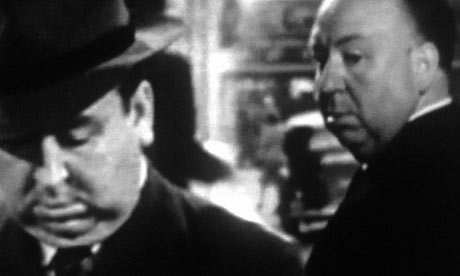
Double Take – A not entirely annoyingly arty documentary that examines the psyche of late-50s early 60s America through the consciousness of Alfred Hitchcock and a conversation between the 1962 Hitch and his double from 1980.  It intersperses a lot of footage from his TV series (which is easily the best part of the film: Hitchcock was hilarious), documentary interviews with a Hitchcock impersonator, footage of the Nixon-Kruschev “Kitchen Debates” and a series of coffee commercials and the whole thing is inspired by a Jorge Luis Borges story (which I haven’t read yet).  It sounds crazy, but it actually all makes sense as you watch it, which is of course, what making this kind of film is all about.  Rather than make a narrative argument about the culture of the time, it makes an emotional one: you feel the confusion and paranoia of a turning point in world history better than you could ever rationally understand it.  It maybe it makes complete rational sense and I just didn’t get it.  Either way, it’s a pretty good film.  The #38 film of 2009.

Centurion – A rock-solid, more or less historically-based action film starring Michael Fassbender as a Roman soldier in Northern Britain, the lone survivor of a Pict assault who escapes only to join a larger expedition against the savages that also gets slaughtered, Last of the Mohicans-style.  He and a handful of others (including the guy who played Mickey on Doctor Who) go after the Picts to rescue their captured general (Jimmy McNulty).  What follows is an epic chase as the Romans are hunted by a tongueless psychotic woman who holds a real grudge (think Magua, again from Last of the Mohicans).  As well as being a beautifully shot and competently edited action film (which is a rare enough thing these days, director Neil Marshall deserves a lot of credit, I really should see his horror film The Descent) the film also has at least something going for it thematically.  At first, you get the sense that the filmmakers are trying to comment on Iraq or Afghanistan (imperial over-extension and whatnot), but sure enough, as the film goes on it proves to be not so much about the current wars as it is about every war, and every war movie.  A tribute to one and critique of the other, and/or vice versa.  In the end, it makes the most profound statement of all: rather than fighting, wouldn’t we all be better off living in a hut with Imogen Poots?

The Exploding Girl – A nice little indie character study of an epileptic young woman (played by Zoe Kazan) and her best friend Al (which is a weird name for a guy these days, isn’t it?), at home in the hipsterest parts of Brooklyn for spring break.  Kazan has a boyfriend who doesn’t seem all that interested in her, and she and Al clearly dig each other, but they’re too shy or too scared or too something to do anything about it.  It very sweet, and lovely to look at.  It reminded me more than anything of Shunji Iwai’s April Story, which I really love.  It isn’t that good, but it’s also a bit more jaded (though to be fair, everything is).  The #27 film of 2009.

Looking for Eric – This is about the last thing I expected from a Ken Loach film, but since I only know his non-The Wind that Shakes the Barley work by reputation, I can’t say if its a real departure for him.  What I can say is it’s one of the best heartwarming films I’ve seen in quite awhile.  Steve Evets plays a postal worker who’s depressed about having to see his ex-wife every week (they’re watching their granddaughter while their daughter studies) and has no control over his hoodlum stepchildren, one of whom is in deep with a local gangster.  So, under the influence of his kids’ pot, he has visions of former Manchester United star Eric Cantona (playing himself) who teaches him valuable life lessons.  Imagine the scenes of Elvis advising Clarence in True Romance, but in a social realist comedy/drama about working class Mancunians.  Cantona is hilarious, a constant stream of bizarre aphorisms that make just enough sense, and Evets’s transformation from sad sack to stand-up guy (abetted just as much by his loving group of coworkers and fellow United fans as the phantom footballer) is as wonderful as it is believable.  The #22 film of 2009.