Movies Of The Year: 1960

Back to the lists. You can, as always, find updated lists for the years 1961-2005 at The Big List.

16. Pollyanna – Ah the horror of a youth dominated by the Disney channel. Hayley Mills plays a very happy girl who uses the power of positive thinking to crush her stodgy enemies in small-town America. It is indeed as horrifying as it sounds. Also stars Jane Wyman, Karl Malden and Agnes Moorehead, of all people.

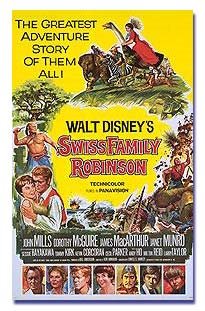
15. Swiss Family Robinson – Robinson Crusoe Disneyfied and given a massive nuclear family of wacky kinds who love hijinks like racing ostriches and blowing up pirates. The pirate chief is played by Sessue Hayakawa, who played the prison camp commander in The Bridge On The River Kwai and whose film career goes back to 1914, when he was one of the first Asian-American film stars (he was the star of Cecil B. DeMille’s hit The Cheat). The director, Ken Annakin, also directed the 1975 David Niven-Toshiro Mifune film Paper Tiger, and for some reason imdb claim’s George Lucas named Darth Vader after him, but I don’t think I believe it.

14. Exodus – This Otto Preminger epic stars Paul Newman as one of a group of Jews who flee Europe to Palestine after World War 2 and get attacked when they declare themselves the state of Israel. I haven’t seen this since I was a kid, but I remember it being very long, but with some exciting action sequences, and it succeeded in relating the basic facts of the time period. Also stars Eva Marie Saint, Ralph Richardson, Sal Mineo, Peter Lawford and Lee J. Cobb. The screenplay’s by Dalton Trumbo, the blacklisted writer who also wrote Roman Holiday and Spartacus.

13. The Magnificent Seven – John Sturges’s cheesy and vastly inferior remake of Akira Kurosawa’s The Seven Samurai. The cast is great, as well as the score (very catchy) and the action sequences, but transplanted out of the social context of feudal Japan, the story loses any resonance or meaning beyond simple action. Yul Brenner, Eli Wallach, Steve McQueen, James Coburn, Charles Bronson and Robert Vaughn star.

12. Inherit The Wind – This straightforward adaptation of the play about the Scopes Monkey Trial (It’s very thinly veiled), gets the good performances you’d expect out of Spencer Tracy and Fredric March, but director Stanley Kramer doesn’t really bring anything interesting to the film (not unprecedented in Kramer’s career). The trials interestng though, and those performances are really good. Also stars Gene Kelly, Dick York, Henry Morgan and Norman Fell.
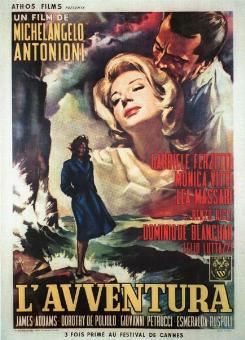
11. L’Avventura – A group of swells have a party on a deserted island, from which one girl just disappears. Her friend and boyfriend search the island for her. Suspecting she caught a boat back to the mainland, they head off to town to look for her, where they forget about her because they’re too busy doing each other. It’s very slow, beautiful, and depressing, chock full of good old existential angst and the ennui of the rich. As yet it’s the only Michelangelo Antonioni film I’ve seen, but I really need to rewatch it and check out more of his work.

10. Tunes Of Glory – This stagey film is notable for a great performance from Alec Guiness (despite the overthetop accent). Guiness plays the leader of a Scottish regiment who gets passed over for promotion and does what he can to subvert the new commanding officer, John Mills (who was also in Swiss Family Robinson). IMDB claims James Kennaway adapted the screenplay from his own novel, which surprises me because I would have sworn this film was simply transplated straight from the stage. Directed by Ronald Neame, who was a cinematogropher (In Which We Serve, One Of Our Aircraft Is Missing) and went on to direct The Poseidon Adventure.

9. Ocean’s Eleven – As far as I can tell, the best of the Brat Pack films. Frank Sinatra leads a gang of hipsters as the ripoff five Vegas casinos in one night. The heist sequence itself is exciting and suspenseful, and the maybe to long buildup to it has some fun martini-drenched humor and songs. The fun-having cast includes Dean Martin, Sammy Davis Jr, Peter Lawford, Angie Dickenson, Shirley MacLaine, Cesar Romero, Joey Bishop, Richad Conte, George Raft, Red Skelton and Akim Tamiroff. Directed by Lewis Milestone (All Quiet On The Western Front). I understand the Soderberg remake changed the ending, which makes me never want to watch that travesty.
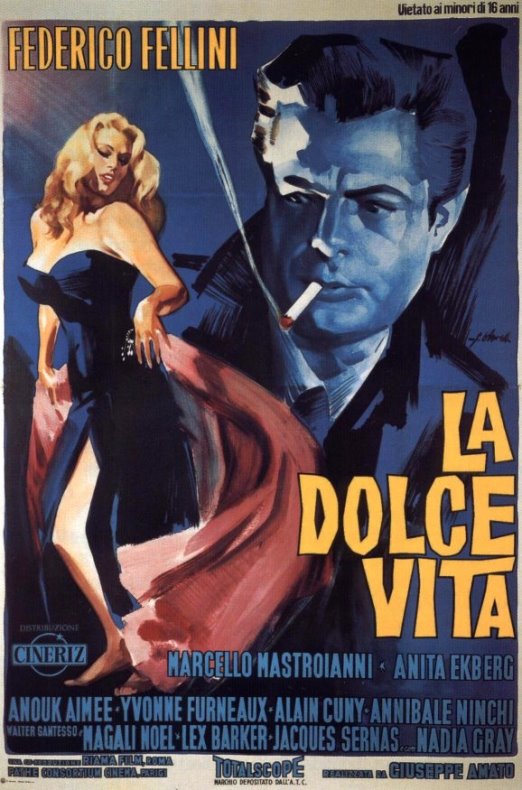
8. La Dolce Vita – Federico Fellini’s epic of urban hipster dissipation stars Marcello Mastrionni as a paparazzi bored with his fake life of parties and glamour and his troubles with women and his father. The famous opening shot of a statue of Jesus flying over the city is very cool, and some of the sequences are very interesting, but frankly I just got bored with the film after awhile. That may be intentional, getting us to empathize with the main character’s boredom or something, I don’t know, I probably need to see it again, as it’s been about 10 years. Also stars Anita Eckberg and Anouk Aimée.

7. The Apartment – I’ve never understood the worship this very fine Billy Wilder film seems to evoke in so many people. It’s good, but it’s not that good. Jack Lemmon plays a loser accountant who lets his bosses (Fred MacMurray, Ray Walston, etc) use his apartment so they can hook up with their mistresses. When Lemmon falls for one of MacMurray’s girls, the suicidal Shirley MacLaine, he tries to quit being a loser to bittersweet comical effect. It can’t think of any real flaw the film has, it just doesn’t inspire the passion in me that it seems to in others. I wonder how much its many Best Picture wins had to do with the prior year’s Some Like It Hot. . . .

6. The Bad Sleep Well – Akira Kurosawa loosely adapts Hamlet to a contemporary Japanese business world. After Toshiro Mifune’s father kills himself by jumping out a window in his company’s headquarters, Mifune sets out to expose the corruption and murder at the heart of the corporation. One of Kurosawa’s most slowly paced films, the plot is a convolution of betrayals and villainies, told deliberately in high-contrast black and white. The tremendous cast features Takeshi Shimura, Masayuki Mori, Chishu Ryu, Susumu Fujita, Ko Nishimura, Takeshi Kato and Kamatari Fujiwara.

5. Peeping Tom – Oner of the first great serial killer films, and also a very dark satire on the nature of film directing and viewing. Michael Powell’s late masterpiece stars Carl Boehm as an assistant camera operator who moonlights as an underground pinup photographer who also happens to be a murderer with some serious issues with his father, a psychologist who used his son in his experiments on the nature of fear. The great Moira Shearer (The Red Shoes) plays one of his victims in the best sequence in the film, a photo shoot in the film studio that everyone but the poor girl knows is going to end badly for her. Suspenseful and endlessly useful as fodder for grad student essays.

4. Spartacus – This classic of Hollywood’s obsession with films set in Ancient Rome started as an Anthony Mann film and ended up directed by Stanley Kubrick and feels like a weird combination of those two very different directors and screenwriter Dalton Trumbo. This muddles the directorial aspects of the film and allows the truly great thing about it to take over, and that’s the performances, especially by Charles Laughton and Laurence Olivier. Peter Ustinov and Tony Curtis (oyster fan) and Jean Simmons also star. Kirk Douglas, as Spartacus, is occasionally very good,, but really I think is the weak link of the entire film. Still, it’s probably the best of this cycle of films.

3. Breathless – Jean-Luc Godard’s first full-length film is a simple story of a wanna-be gangster who steals a car, finds he’s shot a policeman and tries to get an American girl to go on the lam with him. The middle third of the film is a long, poetic, pretentious, confusing series of conversations between the thief (Jean-Paul Belmondo) and the girl (Jean Seberg). The rumor is that Godard asked director Jean-Pierre Melville (Le Samourai, Army Of Shadows) for advice when cutting the film and he told him to cut out the boring parts, the result is the jump-cutting that the film is famous for. I don’t think I believe that. This is Godard being Godard right from the start: taking the whole history of cinema, chewing it up and spitting it back out in a form wholly new and yet totally recognizable. It’s as good a place to start with Godard as any.

2. Shoot The Piano Player – Speaking of the French New Wave, here’s François Trufffaut’s second film, and my favorite of his. It’s a film noir, more or less that doesn’t exactly deconstruct the genre but rather plays with its conventions as a sideline instead of as the main focus of the film (in the manner of Scorsese’s Mean Streets as opposed to the Coens Big Lebowski). Charles Aznavour (the feature artist in Godard’s A Woman Is A Woman) plays a former great pianist slumming in the wake of his wife’s suicide. He’s brother shows up on the run from gangsters and drags him and the waitress who’s sweet on him into a noir adventure filled with shootouts, kidnappings and snow. A beautiful, funny and tragic film, it’s my favorite Truffaut.

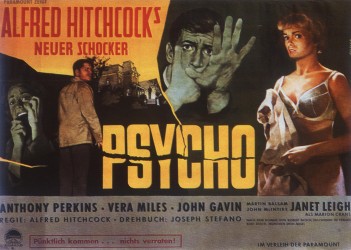
1. Psycho – Perhaps the most famous of all Hitchcock films, and one of the 4 or 5 films that alternate as my favorite Hitchcocks. Anthony Perkins is brilliant as the hotelier with mommy issues who interrupts Janet Leigh’s shower. A profoundly weird film, it can be experienced any number of ways: Freudian satire, straight comedy, lurid serial killer pot-boiler, slasher-film archetype. It’s all of those things and more.
It’s often said that the speech at the end of the film, the one where the psychiatrist explains what and why Norman has done is either pointless, really badly acted and/or idiotic, but I don’t know why. I can’t say it’s ever bothered me. Hitchcock explains things, the only time I can think of him leaving the central mystery of the film a mystery is in The Birds. Every other film ends with an explanatory resolution. It works great in The Birds, of course, and maybe it’d work here too. But I’m generally skeptical of films that leave out their resolutions. they tend to do it because they can’t think of an intelligent way to end their film, or to make the film seem more profound than it really is (see Michael Haneke’s Caché or any number of American indie films). Anyway, Psycho’s one of the first great classic films I ever saw, and it’s still one of my favorite, probably in my top 40 or 50 films of all-time.

A lot of Unseen movies this year as I’ve gone ahead and added any films Jonathon Rosenbaum included in his top 1000 that I haven’t seen, which I’ll be doing for the rest of the Movies Of The Year lists.

The Thousand Eyes Of Dr. Mabuse
Purple Noon
The Virgin Spring
Le Testament d’Orphee
The Bellboy
Late Autumn
When A Woman Ascends The Stairs
Les Bonnes Femmes
The Naked Island
Cruel Story Of Youth
The Savage Innocents
Sergeant Rutledge
Bells Are Ringing
The Cloud-Capped Star
Elmer Gantry
Devi
The False Student
Let’s Make Love
Wild River
Zazie Dans Le Metro
The Young One
The Alamo
Le Trou
North To Alaska
Two Women
Butterfield 8
Murder, Inc.
Eyes Without A Face
13 Ghosts

Looking For Alicia Keys


Notes on the new Dylan album:

Modern Times finally arrived in the mail yesterday, and I’ve been listening to it non-stop ever since. On first listen, it’s very mellow sounding, light and even pretty. There appears to be a lot of cynical darkness lurking in the lyrics, however. “Some young lazy slut has charmed away my brains” and “This woman so crazy I swear I ain’t gonna touch another one for years” are some fine examples from Rollin’ and Tumblin’.

The album generally has the same loud/soft/loud/soft pattern that Love And Theft followed, though the album as a whole flows very nicely, whether that’s a flaw of Dylan’s producing or, more likely, exactly the effect he was looking for I can’t say.

My favorite song on first listen was Workingman’s Blues #2, a deceptively pretty tune holding such lyrical gems as:

There’s an evenin’ haze settlin’ over town
Starlight by the edge of the creek
The buyin’ power of the proletariat’s gone down
Money’s gettin’ shallow and weak

My favorite moment on first listen, however, was in the song Nettie Moore, a melancholy balled whose first couple of minutes are punctuated by a slow insistent heartbeat drum. As the chorus begins, however, the music suddenly swells and the drum is taken over by what appears to be an actual string section. It comes as a complete surprise, which, in my foolishness, I didn’t think was possible for Dylan at this point. I don’t know if it’s possible, but I think I may have swooned.

The rollicking album opener, Thunder On The Mountain, has some fun lyrics, including this striking passage:

Gonna raise me an army, some tough sons of bitches
I’ll recruit my army from the orphanages
I been to St. Herman’s church, said my religious vows
I’ve sucked the milk out of a thousand cows

At this point, I’m thinking the album is akin to John Wesley Harding, in it’s smoothness, apparent simplicity and its relation to the albums that came before it (Love And Theft as Blonde on Blonde, Time Out Of Mind as Highway 61 Revisted).

I got the porkchops, she got the pie.
She ain’t no angel, and neither am I.

Movie Roundup: I Hate Sony Edition

So many movies, so little time.

Princess Raccoon – This bizarre little pan-Asian film stars Favorite Actress© Zhang Ziyi, as, well, Princess of the Raccoons who falls in love, against natural law, with a human, who’s on the run from his villainous father, the King of a neighboring Mountain, who’s trying to kill him because a magic mirror claimed that the son would one day become more beautiful than the king. All this is presented as a highly stylized and colorful musical, complete with cheap, effective special effects, sparse, artificial sets and some truly weird music. Directed by ancient gangster auteur Seijun Suzuki (Tokyo Drifter, Fighting Elegy), the film has yet to be released in the US, though it did play the Seattle Film Festival. A strange, wonderful movie. The #9 film of 2005.
New York Times critic Manohla Dargis after seeing princess Raccoon at Cannes:

“Seijun Suzuki’s “Princess Raccoon” is mad, nuts, lysergic, wonderful, kitsch, genius, smutty, sexy, funny, funny, funny, Zhang Ziyi, Joe Odagiri, Kabuki, “Snow White,” “The Wizard of Oz,” “Romeo and Juliet,” Noh, hip-hop, rock, Broadway, Disney, fuzzy-wuzzys, yakuza, swordsman, by the sea, by the sea, by the beautiful sea, the cherry blossoms are in bloom again. In other words: I had a blast.”

The Sea Hawk – Director Michael Curtiz and star Errol Flynn followed up their great Adventures Of Robin Hood in 1940 with this mediocre swashbuckling film about an English privateer commissioned by Elizabeth I to harass Claude Rains and his Spanish Armada. There’s certainly a lot of fun action sequences as you’d expect, and despite the lack of Basil Rathbone, this film’s significantly more fun than Curtiz and Flynn’s 1935 pirate movie Captain Blood, which I found dreadfully boring.

Santa Fe Trail – Also in 1940, Curtiz and Flynn made this film, about Jeb Stuart and his West Point classes struggle against evil abolitionist John Brown. An interesting chapter of Lies My Teacher Told Me is devoted to the distortions about John Brown that are taught in American schools, and this film’s perfect example of those lies. Raymond Massey plays Brown as a homicidal lunatic whose desire to end slavery is obviously a symptom of his deranged mind. Flynn’s Stuart repeated explains what apparently is the point of view of the filmmakers: that the South knew slavery was wrong and would go about getting rid of it eventually, in it’s own way. Anyone who tried to tell them differently would justifiably suffer the wrath of the South. Coverups don’t get any more apologetic than that, ugh. With Ronald Reagan as Custer who gets himself tied up in a silly love triangle with Flynn and Olivia de Havilland.

The Break-Up – Peyton Reed directed this surprisingly good Vinnafer Vaughniston vehicle about a couple trying to, well, break-up while trying to decide if that’s what they really want to do. It’s been aptly described as an anti-romantic comedy, as the humor comes in the midst of the wreckage of a romance and is leavened by some truly disturbing scenes. Where most directors would have played the situation of two people sharing an apartment after they break-up as silly farce, Reed takes those farcical scenes (a bad dinner party, Vaughn bringing strippers to the apartment) and plays them long past the point they’re funny to create an almost realistic scenes of just how uncomfortable it is to watch a couple’s life disintegrate. Reed’s previous films (Down With Love and Bring It On) show a similar willingness to explore and twist genre conventions, whether sports movie or musical and romantic comedy. Vince Vaughn and Jon Favreau get to reprise their Swingers friendship in a more overweight form, Vincent D’Onofrio get to show off some new ticks as Vaughn’s brother, and Aniston and Jason Bateman effectively play the same characters they so successfully played on TV. Judy Davis, as Aniston’s boss, however, is just plain creepy.

Two-Lane Blacktop – This great little film directed by Monte Hellman is the movie people seem to think Easy Rider is: an examination of Nixon-era angst and the underbelly of America via a cross-country roadtrip. Where Hopper’s film is soaked in drugs and a rather silly hippie ideology, Hellman is all existential and mopey. Two guys and a girl (james Taylor, Laurie Bird and Dennis Wilson) challenge an older man (Warren Oates) in a GTO to a cross-country road race for no apparent reason. It’s not really much of a race, and there doesn’t really appear to be any animosity between he two cars. What there is is an elegiac tone as the film features very little in the way of dialogue or action, but a beautiful slow pace and some magnificently rundown and rainswept scenery. It’s the mood of the film as they travel through 1971 small-town America that’s entrancing. The #3 film of 1971.

Pootie Tang – After for years being told that this was the greatest film of all-time and no believing it, we finally decided to give it a chance after watching the director’s new HBO series, Lucky Louie, which is a hilarious inversion of the lower-class family sitcom. Louis CK, said director is a very funny guy and he brought an interesting visual style to his sitcom, all forced artificiality and shabbiness (right down to a comical and initially annoying laugh-track). There’s a visual wit to Pootie Tang as well, especially some cool editing tricks in one of the final showdowns. But this movie just isn’t that funny. Or rather, the film is two funny jokes, repeated again and again for 90 minutes. Maybe that’s something you wouldn’t noticed if your consciousness is correctly altered, I don’t know. . . . The #30 film of 2001.

Clerks 2 – I can’t deny that Kevin Smith makes me laugh. I’ve honestly enjoyed every one of his films save jersey Girl, and that I found more of a sad sympathetic failure than an egregious waste of celluloid. This sequel is no exception: I laughed all the way through the film and thoroughly enjoyed watching it. But, like the film’s hero dante (terribly acted, again, by Brian O’Halloran, yup, he did not spend the last 12 years in acting class) I’m left wondering if this is really all there is. A passionate ode to giving up, Clerks 2 chronicles Dante’s learning to accept that the life of a Clerk really isn’t all that bad, just as Clerks was all about Dante learning too quit being a Clerk and make something of his life. Its no great stretch to see that after a decade of trying to be a real filmmaker, this is Kevin Smith’s own statement of acceptance of who he is: the fart joke master of his generation. I guess that’s something.

The Far Country – Another Anthony Mann-James Stewart Western, this time with Stewart playing a selfishly capitalist cattleman driving his herd from Wyoming through Seattle to Alaska. He encounters a corrupt lawman on his way but doesn’t want to get involved in the small town’s fight to free itself from the villain’s control. It’s as dark as the other Mann-Stewart films, but it’s neither as expensive or as perverse as Winchester ’73 nor as taut and intense as The Naked Spur. Henry Morgan and Jack Elam costar.

Hatari! – I reviewed this a couple weeks ago in the 1962 Movies Of The Year list.

The Corporation – A ridiculously long documentary about the history and evils of the American and mulit-national corporation. The directors, Mark Achbar and Jennifer Abbot, use some slick animation and computer graphics, along with a lot of fast-cutting through stock footage in an attempt to liven up what is essentially a two and a half hour long lecture in lefty economic theory. It’s long on evils and indictments and short on actual solutions, which makes for a really depressing film. It’s nice to learn that Fanta is the Nazi soda, however. The #25 film of 2003.

Heaven’s Gate – This much maligned Michael Cimino film has been undeservedly attacked since before it was even released for a variety of the usual reasons: over-budget, way over-schedule, a megalomaniacal, unfriendly director with a previous big success (in this case, The Deer Hunter, the #3 film of 1978) which led to studio interference and the chopping up of large sections of the film. As with many films that fall in this category, it’s a masterpiece. Kris Kristofferson plays a Harvard-educated sheriff in Johnson County, Wyoming who gets caught in the middle of a war when the local cattle barons (led by Sam Waterston) decide to start killing the local immigrants who’ve been poaching on their land and livestock, with the full approval, of course, of all the relevant authorities, including the US President himself. Christopher Walken plays an immigrant who works as an enforcer for the barons, and is also in love with Kristofferson’s girl, the local madam played by Isabelle Huppert. Jeff Bridges plays a bartender who joins the immigrants fight and John Hurt plays Kristofferson’s alcoholic old college chum who ends up on Waterston’s side against everything he actually believes in. Brad Douriff (you’ll recognize him from the Lord of The Rings films, but he’s truly great as the doctor on Deadwood) also appears as one of the leading immigrants. Cimino takes the Western archetype of the reluctant hero ultimately defending the cause f law and order against chaos and adds a clear leftist slant to it as the struggle for order becomes a struggle for the rights of the poor, uneducated, unlanded proletariat. Given the ending of the film, and the leftist critique of The Deer Hunter, the value of this leftism is left ambiguous enough to be really interesting, even 25 years after the film bombed. The #4 film of 1980.

Bringin’ It All Back Home

Been away for awhile as I was on vacation last week. I plan on getting some stuff written this weekend, however, as I’ve seen a number of interesting movies over the last couple of weeks.

I’m waiting for my copy of Bob Dylan’s new album Modern Times (released today). I paid extra to get it from the Sony Music Store because they include not only the DVD with a few live performances, but a sample disc of his radio show that is supposedly baseball-themed. No, of course, it’s stuck in shipping limbo and I’ve no idea when, if ever, it will actually show up.

In the meantime, here, in what has got to be the longest allmusic.com review I’ve ever read, is a glowing review for Modern Times. The highlight:

“Modern Times offers a new weird America, one stranger than any that’s come before, because it’s merely part of a new weird world. In these ten songs, bawdy joy, restless heartache, comical scenes, and bottomless sadness all coexist and inform one another as a warning and celebration of this precious human life and wondering about whatever comes after. This world view is expressed through forms threatened with extinction: old rackety blues that pack an electrically charged wallop, parlor tunes and crooned pop-style ballads that could have come from the 1930s or even the 1890s. Modern Times is the work of a professional mythmaker, a back-alley magician and prophetic creator of mischief. It offers a view of the pilgrim as pickpocket, the thief as holy man, the lover as the fighter. And all bets are on to see who finishes dead last. What could be more confusing or so ultimately timeless as contradiction as entertainment, provided with a knowing, barely detectable grin.”

Snakes, Planes And Cocoa-Puffs

Chuck Klosterman appears to have camped out in my brain again, as once more he’s taken the thoughts out of my head and written them up far better than I ever could. Reading his book Sex, Drugs and Cocoa-Puffs was an excruciating exercise in learning that I’m not a writer, as essay after essay pondered terrain I myself had thought or written about, with the difference being that Klosterman’s writing is actually good.

Anyway, here’s the bastard’s essay on the upcoming hype-classic Snakes On A Plane, wherein he once again articulates the vague notions floating around my disordered and distracted brain far more cogently than I ever could. Jerk.

Movie Roundup: I Need A New Hat Edition

Eighteen recently seen movies I need to write about. So, with a refreshing martini, Buffy on the TV (hey, that’s the guy from Deadwood and Me And You And Everyone We Know!) and while trying to ignore the fact that Mark McGwire probably won’t get elected to the Hall Of Fame because he plead the Fifth during a Congressional witch-hunt. In that vein, here are some noirs and pseudo-noirs:

Miami Vice – I’ve seen Michael Mann’s latest film twice now, and it’s easily the best movie of the year thus far. In essence a sequel to Heat, it covers the same terrain of professionals who are obsessed with their jobs. The difference is that this time there’s no need for all the speeches foregrounding the themes. Instead, there’s hardly any dialogue at all that isn’t mumbled, jargonic and oblique. That’s a good thing, as far as I’m concerned at least. Visually, the film is stunning. Mann, with this and Collateral (#11, 2004) has done some pioneering work with high-definition digital cameras. The daytime scenes are filled with light, vibrant, colorful and incredibly detailed (the digital camera has an unbelievable depth of focus), while the night scenes are blurry, fuzzy, and impressionistic. The main characters, Colin Farrell and Jamie Foxx playing MTV cops Sonny Crockett and Rico Tubbs, are constantly framed against the Miami sky, with it’s incredibly detailed and expressive clouds (and the occasional flash of lightning). The effect is one of puny humans struggling in vain in a hell of their own making, all the while being tragically aware of an unattainable heaven hovering above them, always just out of reach. The skies are hopeful and oppressive simultaneously. The supporting cast features some very strong performances by Gong Li, Naomie Harris (from Pirates 2), John Hawkes (the Deadwood guy mentioned above), Ciarán Hinds (from Rome and Munich), and Luis Tosar and John Ortiz as some very bad guys, Ortiz the psychotic jeri-curled crazy guy and Tosar the eerily calm, truly frightening Big Boss.

T-Men – This fairly early Anthony Mann film is more of a police procedural, than a noir, as it tells the story of the Treasury Department’s anti-counterfeiting detectives in a pseudo-documentary style. Based on a composite of actual Treasury cases, the film’s entertaining enough as a crime story, and it’s shot with obvious skill by the great noir cinematographer John Alton. It’s a B-movie story with a B-movie cast but A-list talent calling the shots. Interesting if you’re into Mann, otherwise, it’s decent enough.

The Narrow Margin – This is more like it. At barely one hour long, this sleek little noir is certainly a classic. It was remade in 1990 with Gene Hackman, and is my #41 film of that year. The original’s much better, directed by Richard Fleischer (His Kind Of Woman, 20,000 Leagues Under The Sea, Soylent Green, Conan The Destroyer, and Red Sonja) and interesting director who certainly had an interesting career. The set-ups as basic as they get: a cop has to protect a witness on a train trip from Chicago to Los Angeles. The bad guys, of course, are on the train as well and while they know who the cop is, the witness is unclear.

Dark Passage – Another of the Bogart-Bacall collaborations (along with To Have And Have Not, The Big Sleep, and Key Largo, all of which are better), this time directed by Delmer Daves in a rather mediocre style. The interesting thing, I guess, about the film is that the entire first third takes place before a point of view camera as Bogart’s escaped con makes his way into the city and to a plastic surgeon. It’s only after Bogart has the surgery that we get to see what he looks like, or anything from any real camera perspective. The first person camera thing was also done in The Lady In the Lake, a Chandler adaptation directed by and starring Robert Montgomery in 1947, the same year as this film. That’s about the only interesting thing about the film, as far as I know, because it’s all I can remember. It’s just another generic 40s thriller with a gimmicky camera trick.

Picking back up after a day long delay. Now with the freshly delivered Season 4 of Newsradio playing. Super Karate Monkey Death Car, in fact.

Infernal Affairs – Andy Lau and Tony Leung star in this Hong Kong noir that goes over a lot of the same terrain John Woo dealt with in his late 80s/early 90s classics such as Hard-Boiled (#5, 1992) and The Killer (#6, 1989). Leung plays a cop who goes undercover in a criminal gang, Lau plays a gangster who goes undercover in the police force. Inevitably, their paths cross and each is assigned by their boss to find the mole in the organization, which is, of course, himself. It’s not as flashy or exciting as Woo’s films, but it has more psychological depth, some suspenseful action sequences, great performances from the two leads (who are always good) and a nice shiny visual look. The movie was directed by Alan Mak and Andrew Lau, no relation to the star. Martin Scorsese’s remaking it as The Departed, set to be relaesed this fall and starring Jack Nicholson, Leonardo DiCaprio, Matt Damon and Marky Mark Wahlberg.

The Roaring Twenties – Raoul Walsh’s gangster epic starring James Cagney and Humphrey Bogart. After returning from WW1 and finding the job market for veterans rather rough, Cagney becomes a cab driver and, eventually, a transporter of bootlegged alcohol. Bogart becomes a gangster and their friend Lloyd becomes a lawyer. Eventually they all join up to form a criminal syndicate. And of course, this being a gangster film, it all falls apart in a cascade of violence and betrayal. It’s a great film, a real classic of the genre.

The Shanghai Gesture – This Josef von Sternberg film is very weird. I guess you could say that about any of his films, actually. Ona Munson plays Gin Sling, the proprietress of a casino (etc) in pre-war Shanghai. Unfortunately for her, Walter Huston and a bunch of businessmen want to shut her place down. Complications ensue when his daughter, Poppy, played by the very hot Gene Tierney (Laura) becomes a drunken, debauched gambling addict and a regular at Madam Sling’s establishment thanks to the persuasive powers of Victor Mature’s Doctor Omar, who appears to be a pimp of some sort. A fun, beautiful, dark, cynical, perverted masterpiece of a film.

After The Thin Man – The first sequel to the classic screwball mystery starring William Powell and Myrna Loy as alcoholic sleuths Nick and Nora Charles. This time, after arriving in San Francisco to hang out with Nora’s wealthy and annoying family, they become caught up in the mystery of her cousin’s missing husband. They succeed in tracking him down, but then he’s murdered, apparently by said cousin. Nick and Nora must then solve the crime and rescue the cousin. Along for the ride is Jimmy Stewart, in one of his early roles that’s a terrific showcase for the mix of folksy and neurotic that Stewart would go on to exemplify. Really, that’s about the best part of the film. It’s not nearly as funny or entertaining as the first one. But Stewart’s great.

The Trees Are In Misery And The Birds Are In Misery

A couple of things from around the internet:

1. A nice interview with Werner Herzog from an Australian paper. Here’s the whole of the Burden Of Dreams speech as well:

“Kinski says it’s full of erotic elements. It’s not so much erotic, but full of obscenity. Nature here is vile and base. I wouldn’t see anything erotic here. I see fornication and asphyxiation and choking, fighting for survival and growing and just rotting away. Of course there’s a lot of misery, but it’s the same misery that’s all around us. The trees are in misery, and the birds are in misery. I don’t think they sing; they just screech in pain. Taking a close look at what’s around us, there is some sort of harmony. It’s the harmony of overwhelming and collective murder.”

2. A trailer for Martin Scorsese’s upcoming inspirational film The Taxi Driver.

Film Rankings By Year 1901-1949

Here’s how it works: A film’s year is simply the year IMDB says it is. Not because IMDB is especially accurate, but just because it happens to be the easiest and most comprehensive resource there is for tracking film dates throughout the world and over the whole history of cinema. Occasionally IMDB will change a year as new information comes to light, when I notice such changes, I’ll change the list here accordingly.

The order isn’t definitive: ranking works of art is not meant to be a hierarchical activity, but rather an organizational one. It’s interesting trivially and comparatively to see what movies came out at the same time, to see the progression of film history. And lists are just plain fun to argue over. They are meant to be conversation starters, not finishers. I don’t have any particular criteria for what ranks above what, it’s just my own subjective opinion, informed by a reasonable knowledge of film and film history, one that is expanding and deepening all the time.

The rankings change over time: when I see a new movie, I add it to the list here. Sometimes I’ll see a movie again and my opinion of it will change, or my feelings about a film will evolve and so I’ll move it up or down the list.  These changes are noted as they occur in “This Week in Rankings” posts, though often a single change to a year will lead to a larger shuffling.  These lists are, and always will be, a work in progress.

This is Part One, 1901-1949.

1901:

1. The Pan-American Exposition By Night
2. Excelsior! The Prince of the Magicians
3. What Happened on Twenty-Third Street
4. The Devil and the Statue

1902:

1. A Trip to the Moon
2. Gulliver’s Travels

1903

1. The Great Train Robbery
2. The Kingdom of Fairies
3. The Infernal Cakewalk
4. Jupiter’s Thunderballs
5. The Life of an American Fireman
6. What Happened in the Tunnel

1904:

1. Metamorphosis of a Butterfly
2. The Cook in Trouble

1905:

1. The Kleptomaniac
2. The Little Train Robbery
3. The Black Imp
4. A Crazy Composer

1906:

1. The Dream of a Rarebit Fiend
2. A Trip Down Market Street Before the Fire
3. Tit for Tat
4. Films of the San Francisco Earthquake
5. Three American Beauties

1907:

1. Kiri-Kis
2. The Rivals
3. The “Teddy” Bears
4. The Eclipse
5. The Haunted Hotel
6. Lightning Sketches

1908:

1. Rescued from an Eagle’s Nest

1909:

1. A Corner in Wheat
2. Those Awful Hats
3. Le papillon fantastique

1910:

1. Ramona
2. The Acrobatic Fly
3. In the Border States

1912:

1. The Musketeers of Pig Alley
2. The Girl and Her Trust
3. For His Son
4. The Sunbeam
5. Conquest of the Pole

1913:

1. Fantômas
2. Ingeborg Holm
3. The Mothering Heart
4. The Artist’s Dreams

1914:

1. Kid Auto Races at Venice
2. Gertie the Dinosaur
3. Cabiria
4. Tillie’s Punctured Romance

1915:

1. Les Vampires
2. Regeneration
3. The Cheat
4. The Birth of a Nation
5. A Fool There Was
6. Down on the Phoney Farm
7. The Lone Game

1916:

1. Intolerance: Love’s Struggle Through the Ages
2. The Rink
3. The Pawnshop
4. The Floorwalker
5. One AM
6. 20,000 Leagues Under the Sea

1917:

1. The Immigrant
2. The Poor Little Rich Girl
3. Straight Shooting
4. The Cure
5. Coney Island
6. Bobby Bumps Starts for School

1918:

1. A Dog’s Life

1919:

1. True Heart Susie
2. The Doll
3. Broken Blossoms
4. Blind Husbands
5. Don’t Change Your Husband
6. When The Clouds Roll By
7. Sunnyside
8. A Day’s Pleasure
9. Firemen Save My Child

1920:

1. The Cabinet of Dr. Caligari
2. One Week
3. The Golem: How He Came Into the World
4. Way Down East
5. Just Pals
6. The Scarecrow
7. Why Change Your Wife?
8. Dr. Jekyll and Mr. Hyde
9. The Mark of Zorro
10. Convict 13
11. Neighbors
12. The Bomb Idea

1921:

1. The Play House
2. Orphans of the Storm
3. Leaves from Satan’s Book
4. The Four Horsemen of the Apocalypse
5. The Goat
6. The Kid
7. The Phantom Carriage
8. The ‘High Sign’
9. The Idle Class
10. Camille
11. The Boat
12. The Haunted House
13. The Sheik
14. The Haunted Castle
15. Hard Luck
16. Manhatta

1922:

1. Nosferatu: A Symphony of Horror
2. Nanook of the North
3. Cops
4. Häxan
5. The Paleface
6. Douglas Fairbanks in Robin Hood
7. Day Dreams
8. Dr. Mabuse: The Gambler
9. The Blacksmith
10. Phantom
11. The Frozen North
12. The Electric House
13. My Wife’s Relations

1923:

1. Our Hospitality
2. Safety Last
3. The Three Ages
4. The Pilgrim
5. The Balloonatic
6. The Love Nest
7. Springtime

1924:

1. Sherlock, Jr.
2. Die Nibelungen
3. The Last Laugh
4. Greed
5. He Who Gets Slapped
6. The Iron Horse
7. The Thief of Bagdad
8. The Navigator
9. A Trip to Mars
10. The Sea Hawk
11. Symphonie diagonale

1925:

1. The Gold Rush
2. Battleship Potemkin
3. The Big Parade
4. Tartuffe
5. Seven Chances
6. Strike
7. The Freshman
8. The Phantom of the Opera

1926:

1. The General
2. Faust
3. What Price Glory?
4. 3 Bad Men
5. Bardelys the Magnificent
6. The Scarlet Letter
7. The Adventures of Prince Achmed
8. 45 Minutes from Hollywood
9. Scents & Nonsense
10. Thundering Fleas
11. Along Came Auntie

1927:

1. Sunrise: A Song of Two Humans
2. Underworld
3. Seventh Heaven
4. Metropolis
5. The Lodger: A Story of the London Fog
6. Napoleon
7. Wings
8. The King of Kings
9. Jewish Prudence
10. It
11. Love ‘Em and Weep
12. Fluttering Hearts
13. With Love and Hisses
14. Duck Soup
15. Cave of the Spider Women
16. College
17. Why Girls Love Sailors
18. London After Midnight (Reconstruction)
19. Sailors, Beware!
20. Sugar Daddies
21. Slipping Wives

1928:

1. The Docks of New York
2. Steamboat Bill, Jr.
3. The Passion of Joan of Arc
4. Lonesome
5. The Wind
6. Street Angel
7. Two Tars
8. The Crowd
9. The Last Command
10. The Circus
11. L’Argent
12. The Cameraman
13. Spione
14. October
15. Show People
16. In Old Arizona
17. Speedy
18. Champagne

1929:

1. The Man with a Movie Camera
2. Applause
3. Diary of a Lost Girl
4. Un chien andalou
5. Blackmail
6. Lucky Star
7. Hallelujah!
8. Pandora’s Box
9. Days of Youth
10. Queen Kelly
11. The Manxman
12. The Love Parade
13. The Broadway Melody
14. Spite Marriage
15. The Cocoanuts
16. Only Me

1930:

1. Morocco
2. The Dawn Patrol
3. People on Sunday
4. City Girl
5. Under the Roofs of Paris
6. The Blue Angel
7. Earth
8. All Quiet on the Western Front
9. The Big Trail
10. Animal Crackers
11. À propos de Nice
12. Monte Carlo
13. I Flunked, But. . .
14. Free and Easy
15. Not So Dumb
16. Murder!
17. Ladies of Leisure
18. Doughboys
19. Abraham Lincoln

1931:

1. City Lights
2. Tabu: A Story of the South Seas
3. Frankenstein
4. M
5. Dishonored
6. Street Scene
7. Tokyo Chorus
8. The Public Enemy
9. Dr. Jekyll & Mr. Hyde
10. Safe in Hell
11. The Front Page
12. À nous la liberté
13. The Criminal Code
14. Waterloo Bridge
15. City Streets
16. Monkey Business
17. Little Caesar
18. Le Million
19. Kameradschaft
20. The Lady and the Beard
21. Night Nurse
22. Flunky, Work Hard
23. Cimarron
24. The Threepenny Opera
25. The Smiling Lieutenant
26. Dracula
27. Platinum Blonde
28. Parlor, Bedroom and Bath
29. Arrowsmith
30. Sidewalks of New York

1932:
1932 Awards

1. Trouble in Paradise
2. Vampyr
3. Shanghai Express
4. Scarface
5. One Way Passage
6. The Music Box
7. Me and My Gal
8. The Sign of the Cross
9. Where Now are the Dreams of Youth?
10. The Island of Lost Souls
11. Freaks
12. I was Born but . . .
13. The Most Dangerous Game
14. ¡Que viva México!
15. Blonde Venus
16. Red Dust
17. A Farewell to Arms
18. Boudu Saved from Drowning
19. No Blood Relation
20. I Am a Fugitive from a Chain Gang
21. Murders in the Rue Morgue
22. What Price Hollywood?
23. Love Me Tonight
24. Three on a Match
25. American Madness
26. Tarzan, the Ape Man
27. Red-Headed Woman
28. Horse Feathers
29. The Mask of Fu Manchu
30. Bird of Paradise
31. The Mummy
32. The Strange Love of Molly Louvain
33. The Old Dark House
34. Number Seventeen
35. Frisco Jenny

36. Jewel Robbery

37. One Hour with You
38. Rain

39. The Purchase Price
40. The Crowd Roars
41. Payment Deferred
42. Thirteen Women

44. Bill of Divorcement
45. White Zombie
46. Grand Hotel
47. Forbidden
48. The Passionate Plumber

1933:
1933 Awards

1. Duck Soup
2. Japanese Girls at the Harbor
3. Hallelujah, I’m a Bum
4. Design for Living
5. Golddiggers of 1933
6. King Kong
7. Wild Boys of the Road
8. Man’s Castle
9. Baby Face
10. Sons of the Desert
11. The Testament of Dr. Mabuse
12. Pilgrimage
13. 42nd Street
14. Passing Fancy
15. Zéro de conduite
16. Footlight Parade
17. Apart From You
18. Ecstasy
19. The Invisible Man
20. Lady for a Day
21. State Fair
22. Dragnet Girl
23. The Bitter Tea of General Yen
24. Every-Night Dreams
25. Mystery of the Wax Museum
26. Midnight Mary
27. The Private Life of Henry VIII
28. Queen Christina
29. Gabriel Over the White House
30. Bombshell
31. Heroes for Sale
32. Little Women
33. The Power and the Glory
34. I’m No Angel
35. Girl Missing
36. Flying Down to Rio
37. Cavalcade
38. Penthouse
39. Topaze
40. What! No Beer?
41. She Done Him Wrong

42. Havana Widows
43. Going Hollywood

44. Stingaree
45. The Vampire Bat

1934:

1. L’Atalante
2. Twentieth Century
3. Man of Aran
4. No Greater Glory
5. The Scarlet Empress
6. Little Man, What Now?

7. The Thin Man

8. Judge Priest
9. The Black Cat
10. Our Daily Bread
11. The Gay Divorcee
12. It’s a Gift
13. It Happened One Night

14. A Story of Floating Weeds

15. The Man Who Knew Too Much
16. Street Without End
17. The Merry Widow
18. The Lost Patrol
19. Lilliom
20. Heat Lightning
21. Cleopatra
22. Les misérables
23. A Lost Lady
24. Manhattan Melodrama
25. Death Takes a Holiday
26. House of Mystery
27. The Merry Wives of Reno
28. Dames

1935:

1. Ruggles of Red Gap
2. The Devil is a Woman
3. Wife! Be Like a Rose!
4. Top Hat
5. The 39 Steps
6. Carnival in Flanders
7. Steamboat ‘Round the Bend
8. Balloon Land
9. A Midsummer Night’s Dream
10. Sylvia Scarlett
11. The Good Fairy
12. The Informer
13. Barbary Coast
14. The Broadway Melody of 1936
15. Captain Blood
16. Bride of Frankenstein
17. Mutiny on the Bounty
18. Crime & Punishment
19. China Seas
20. A Night at the Opera
21. Annie Oakley
22. Mark of the Vampire
23. The Hands of Orlac (Mad Love)
24. Roberta
25. If You Could Only Cook
26. Anna Karenina
27. She
28. Gold Diggers of 1935
29. Shipmates Forever

1936:

1. Swing Time
2. Modern Times
3. Dodsworth
4. Story of a Cheat
5. Sisters of the Gion
6. Fury
7. A Day in the Country
8. The Only Son
9. Come and Get It
10. Mr. Thank You
11. Theodora Goes Wild
12. My Man Godfrey
13. The Road to Glory
14. Show Boat
15. Things to Come
16. Follow the Fleet
17. Last of the Mohicans
18. The Great Ziegfeld
19. Camille
20. The Garden of Allah
21. Sabotage
22. Libeled Lady
23. The Prisoner of Shark Island
24. Born to Dance
25. The Charge of the Light Brigade
26. After the Thin Man
27. The Plough and the Stars
28. Mr. Deeds Goes to Town
29. Mary of Scotland
30. The Petrified Forest
31. The King Steps Out
32. Romeo and Juliet

1937:

1. Make Way for Tomorrow
2. The Awful Truth
3. The Grand Illusion
4. Shall We Dance
5. Wee Willie Winkie
6. Humanity and Paper Balloons
7. History is Made at Night
8. Stella Dallas
9. Stage Door
10. Easy Living
11. You Only Live Once
12. Pepe le Moko
13. The Spanish Earth
14. Snow White and the Seven Dwarfs
15. Dark Journey

16. Nothing Sacred
17. Swing High, Swing Low
18. A Damsel in Distress
19. A Star is Born

20. The Hurricane

21. A Day at the Races
22. Storm in a Teacup
23. The Broadway Melody of 1938

24. Hollywood Hotel
25. The Great Garrick
26. Dead End
27. Lost Horizon
28. Topper

29. Smart Blonde
30. The Life of Emile Zola
31. Rosalie

32. A Family Affair
33. King Solomon’s Mines

1938:

1. Bringing Up Baby
2. The Adventures of Robin Hood
3. The Lady Vanishes
4. Alexander Nevsky
5. Holiday
6. Three Comrades
7. Jezebel
8. The Shopworn Angel
9. St. Martin’s Lane
10. The Masseurs and a Woman
11. Merrily We Live
12. The Great Waltz
13. Pygmalion
14. Angels with Dirty Faces
15. Bluebeard’s Eighth Wife
16. The Shining Hour
17. You Can’t Take it with You
18. Carefree
19. Vivacious Lady
20. Blond Cheat
21. Man-Proof
22. Maid’s Night Out

1939:

1. The Rules of the Game
2. Only Angels Have Wings
3. Stagecoach
4. Mr. Smith Goes to Washington
5. Young Mr. Lincoln
6. The Story of the Last Chrysanthemums
7. Gone with the Wind
8. The Wizard of Oz
9. Gunga Din
10. Ninotchka
11. The Roaring Twenties
12. Midnight
13. Babes in Arms
14. Le jour se lève
15. Destry Rides Again
16. Love Affair
17. Drums Along the Mohawk
18. The Hunchback of Notre-Dame
19. Beau Geste
20. Goodbye Mr. Chips
21. It’s a Wonderful World
22. The Old Maid
23. The Four Feathers
24. The Women
25. The Private Lives of Elizabeth and Essex
26. Intermezzo: A Love Story
27. Wuthering Heights
28. Dark Victory
29. Empress Wu Zetien
30. The Hound of the Baskervilles
31. Jamaica Inn
32. Second Fiddle
33. The Adventures of Sherlock Holmes
34. Man in the Iron Mask

1940:

1. The Shop Around the Corner
2. The Philadelphia Story
3. Fantasia
4. Christmas in July
5. His Girl Friday
6. Waterloo Bridge
7. Rebecca
8. The Grapes of Wrath
9. The Letter
10. They Drive By Night
11. The Long Voyage Home
12. The Mortal Storm
13. Remember the Night
14. Pinocchio
15. The Bank Dick
16. Northwest Passage
17. The Broadway Melody of 1940
18. The Thief of Baghdad
19. The Mark of Zorro
20. The Great McGinty
21. Comrade X
22. The Sea Hawk
23. Foreign Correspondent
24. The Great Dictator
25. Night Train to Munich
26. Dark Command
27. My Little Chickadee
28. My Favorite Wife
29. Virginia City
30. One Million BC
31. Santa Fe Trail

1941:

1. Citizen Kane
2. The Lady Eve
3. How Green Was My Valley
4. Hellzapoppin’
5. The Strawberry Blonde
6. The Maltese Falcon
7. The Shanghai Gesture
8. Suspicion
9. Ornamental Hairpin
10. High Sierra
11. Sullivan’s Travels
12. Never Give a Sucker an Even Break
13. Man Hunt
14. 49th Parallel
15. Ball of Fire

16. The Devil and Daniel Webster

17. The Loyal 47 Ronin
18. They Died with Their Boots On
19. Dumbo
20. That Hamilton Woman

21. HM Pulham, Esq

22. Sergeant York
23. The Little Foxes
24. The Devil and Miss Jones
25. Sundown
26. That Uncertain Feeling
27. The Gay Falcon
28. Meet John Doe
29. Dr. Jekyll & Mr. Hyde
30. Rage in Heaven
31. Two-Faced Woman
32. Tom, Dick and Harry
33. Smilin’ Through
34. Belle Starr: The Bandit Queen

1942:

1. Casablanca
2. Cat People
3. The Magnificent Ambersons
4. Bambi
5. The Palm Beach Story
6. Once Upon a Honeymoon
7. Now, Voyager
8. To Be or Not To Be
9. There Was a Father
10. This Gun for Hire
11. I Married a Witch
12. Wake Island
13. The Glass Key
14. China Girl
15. Mrs. Miniver
16. The Black Swan
17. Yankee Doodle Dandy
18. Talk of the Town
19. You Were Never Lovelier
20. For Me and My Gal
21. Son of Fury
22. Woman of the Year
23. Saboteur
24. The Major and the Minor
25. Across the Pacific
26. In this Our Life
27. Pride of the Yankees
28. Keeper of the Flame
29. The Lady is Willing

1943:

1. The Life and Death of Colonel Blimp
2. Day of Wrath
3. The Gang’s All Here
4. Meshes of the Afternoon
5. The Leopard Man

6. Shadow of a Doubt
7. I Walked with a Zombie

8. Heaven Can Wait
9. The 7th Victim
10. Air Force
11. Cabin in the Sky
12. Hangmen Also Die!
13. Sanshiro Sugata
14. The More the Merrier
15. The Constant Nymph
16. The Ox-Bow Incident
17. This Land is Mine
18. Northern Pursuit
19. Dream of the Red Chamber
20. I Dood It
21. Mission to Moscow
22. Jane Eyre
23. Thousands Cheer
24. Watch on the Rhine
25. Phantom of the Opera
26. Passport to Suez

1944:

1. Meet Me in St. Louis
2. A Canterbury Tale
3. To Have and Have Not
4. Ivan the Terrible Part 1
5. Double Indemnity
6. Laura
7. Curse of the Cat People
8. Hail the Conquering Hero
9. Going My Way
10. The Woman in the Window
11. Jammin’ the Blues
12. The Miracle of Morgan’s Creek
13. Passage to Marseille
14. Ministry of Fear
15. Lifeboat
16. Phantom Lady
17. Henry V
18. The Lodger
19. Cover Girl
20. The Three Caballeros
21. Mademoiselle Fifi
22. Arsenic & Old Lace

23. Gaslight
24. Christmas Holiday
25. Cobra Woman

26. The Canterville Ghost
27. Murder, My Sweet
28. The Mask of Dimitrios
29. Bluebeard
30. One Mysterious Night

1945:

1. Children of Paradise
2. They Were Expendable
3. Rome, Open City
4. Scarlet Street
5. The Bells of St. Mary’s
6. The Men Who Tread on the Tiger’s Tail
7. I Know Where I’m Going!
8. Brief Encounter
9. The Clock
10. Detour
11. Leave Her to Heaven
12. Objective: Burma!
13. Mildred Pierce
14. A Walk in the Sun
15. The Southerner
16. The Story of GI Joe
17. Fallen Angel
18. Our Vines Have Tender Grapes
19. The Spanish Main
20. The Strange Affair of Uncle Harry
21. My Name is Julia Ross
22. The House on 92nd Street
23. The Picture of Dorian Gray
24. Yolanda and the Thief
25. The Body Snatcher
26. A Song to Remember
27. The Lost Weekend
28. Anchors Aweigh
29. The Spiral Staircase
30. Ziegfeld Follies
31. Spellbound
32. Back to Bataan
33. Caesar and Cleopatra

1946:

1. The Big Sleep
2. It’s a Wonderful Life
3. A Matter of Life and Death
4. Notorious
5. No Regrets for Our Youth
6. Paisan
7. The Best Years of Our Lives
8. My Darling Clementine
9. Gilda
10. The Killers
11. Beauty and the Beast
12. Diary of a Chambermaid
13. The Postman Always Rings Twice
14. Deception
15. The Stranger
16. The Blue Dahlia
17. Dragonwyck
18. Duel in the Sun
19. Green for Danger
20. Undercurrent
21. The Strange Love of Martha Ivers
22. A Scandal in Paris
23. Etoile sans lumière
24. Bedlam
25. The Harvey Girls
26. Tomorrow is Forever
27. Song of the South
28. A Night in Casablanca

1947:

1. Black Narcissus
2. Out of the Past
3. The Lady from Shanghai
4. Monsieur Verdoux
5. The Ghost & Mrs. Muir
6. Odd Man Out
7. T-Men
8. The Secret Beyond the Door
9. The Man I Love
10. The Spring River Flows East
11. The Woman on the Beach
12. Crossfire
13. Kiss of Death
14. Ramrod
15. Lured
16. Cheyenne
17. The Unsuspected
18. The Late George Apley
19. Born To Kill
20. Dark Passage
21. Sinbad the Sailor
22. Railroaded!
23. The Bachelor and the Bobby-Soxer
24. The Egg and I
25. Gentlemen’s Agreement

1948:

1. The Red Shoes
2. Fort Apache
3. The Pirate
4. Red River
5. Unfaithfully Yours
6. Letter from an Unknown Woman
7. Louisiana Story
8. Spring in a Small Town

9. They Live by Night
10. Force of Evil
11. The Naked City
12. Macbeth
13. Moonrise

14. Portrait of Jennie
15. Easter Parade
16. Rope
17. He Walked by Night
18. The Big Clock
19. Drunken Angel
20. The Treasure of the Sierra Madre
21. Hamlet
22. Bicycle Thieves
23. 3 Godfathers
24. Words and Music
25. Key Largo
26. Blood on the Moon
27. Berlin Express
28. Mr. Blandings Builds His Dream House
29. A Foreign Affair
30. The Three Musketeers

1949:

1. Late Spring
2. The Third Man
3. Under Capricorn
4. She Wore a Yellow Ribbon
5. The Black Book

6. The Set-Up
7. Jour de fête

8. Thieves’ Highway
9. On the Town
10. Stray Dog
11. Kind Hearts and Coronets
12. The Small Back Room
13. I Was a Male War Bride
14. Whirlpool
15. A Letter to Three Wives
16. Caught
17. The Fountainhead
18. Battleground
19. Colorado Territory
20. Shockproof
21. Madame Bovary
22. White Heat
23. Adam’s Rib
24. The True Story of Wong Fei-hung: Whiplash Snuffs the Candle Flame
25. Holiday Affair
26. Sands of Iwo Jima
27. I Shot Jesse James
28. The Adventures of Ichabod and Mr. Toad
29. Follow Me Quietly
30. Samson and Delilah
31. Take Me Out to the Ballgame
32. All the King’s Men
33. In the Good Old Summertime

34. The Big Steal
35. A Woman’s Secret

36. The Barkleys of Broadway
37. Knock on Any Door
38. Black Magic

Movies Of The Year: 1961

Look here for up to the minute lists for 1962-2006, now featuring explanations, disclaimers, methodologies and an ever expanding number of nifty pictures.

11. 101 Dalmations – Someone recently told me this was one of the best Disney movies. I don’t believe they were sober. I guess you could say the animation is stylized, if ‘ugly’ is a style. It does have camp icon Joan Rivers for a villain, so that’s something. Rod Taylor, the large piece of wood that played the male lead in The Birds, is one of the voices. Along with Tim Conway, known to my generation as comical pseudo-dwarf Dorf but who was apparently funny once.

10. The Absent-Minded Professor – Fred McMurray, a long way away from Double Indemnity, plays a scientist who invents a very bouncy rubber-like substance. He uses it to make his car fly and help the local high school basketball team win the big game. It’s alright as live-action Disney family films from the 60s go, but that isn’t very far.

9. The Parent Trap – Speaking of, here’s another one, this time starring the great Hayley Mills in a dual-role as twin sisters who try to reunite their divorced parents, played by Brian Keith and Maureen O’Hara, Hayley Mills is at her most adorable here. She, of course, would go on to star in the first season of Saved By the Bell. The remake of this film, from a few years ago, has the distinction of having launched Lindsey Lohan’s film career.

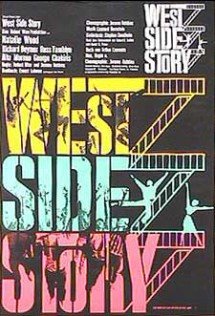
8. West Side Story – I’m not a fan of this kind of musical in general, I like the dance musicals of Fred Astaire and Gene Kelly over the big Broadway adaptations and Rodgers and Hammerstein films. This is about as good as it gets in the genre for me, and that’s largely just because of Leonard Bernstein’s score (the song lyrics are generally pretty bad), Rita Moreno’s supporting performance and Robert Wise’s very colorful and abstract directing (certainly better than the dull Sound Of Music). Jerome Robbins’s choreography is too often unintentionally comical and Richard Beymer’s a pretty lame leading man. I generally don’t like musicals where the actors don’t do their own singing, and while Natalie Wood’s nice to look at, that ain’t her singing.

7. The Guns Of Navaronne – All-star WW2 action movie that I really need to see again since the last time I watched it was probably over a decade ago. A select group of Allied commandos (David Niven, Anthony Quinn, Gregory Peck, Richard Harris, Stanley Baker and Irene Papas) have to sneak onto an island and blow up a massive Axis gun battery. Director J. Lee Thompson also directed the original Cape Fear, Taras Bulba, Conquest Of and Battle For The Planet Of the Apes, Death Wish 4, the Richard Chamberlin/Sharon Stone remake of King Solomon’s Mines and the Lou Gosset Jr/Chuck Norris classic Firewalker.

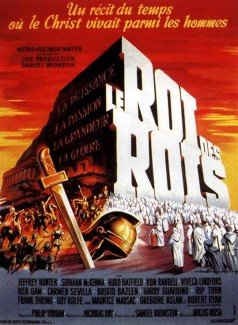
6. King Of Kings – I reviewed it in a fairly decent amount of detail here after watching this last Easter. We used to always watch The Ten Commandments every Easter, which is kind of weird. Yeah, The Ten Commandments is a good Passover film, and Passover ends right around Easter, but wouldn’t you think Ben-Hur or King Of Kings is more appropriate for Easter night? Of course, when digital cinema has established itself and I can program my own films, every Easter we’ll show a double feature of The Last Temptation Of Christ and The Life Of Brian. Maybe we’ll play this one as the matinée. The Ten Commandments can play Friday night.

5. Judgement At Nuremburg – I said two things in the last day that this film is an exception to. First, it’s a social problem picture that I like. Might even be my favorite of the genre (and directed by master of the genre Stanley Kramer). Second, it’s got another Burt Lancaster performance that I like. He’s on trial here, along with a group of other Nazis for war crimes. The tribunals are winding down and the Allies are left prosecuting things like judges who sentence people to be sterilized (Lancaster). The film’s subject matter is, of course, unindictable (as you’d expect in this genre) and it doesn’t really tell us anything we don’t already know. But what the film does feature is a series of universally outstanding acting performances: from Spencer Tracy, Richard Widmark, Marlene Dietrich, and especially Judy Garland, Mongomery Clift and Maximillian Schell. Hell, even William Shatner’s good in this movie.

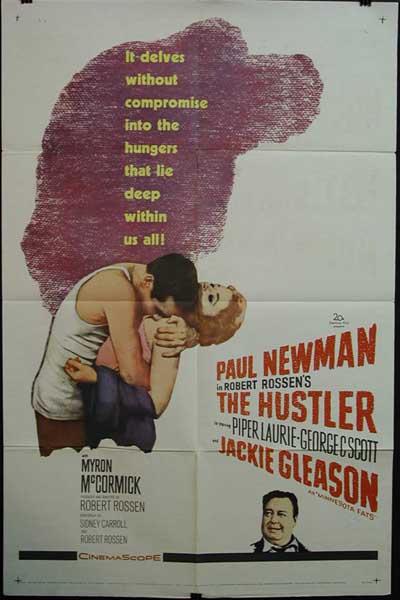
4. The Hustler – This film is much different from its late sequel, Martin Scorsese’s The Color Of Money. This film, directed by Robert Rossen, is dark and moody with another classic anti-hero performance by Paul Newman. Newman plays Fast Eddie Felson, a young pool player hoping to unseat Minnesota Fats. The two play as the film opens, Felson loses and he spirals down from there. He ends up with his thumbs broken, an alcoholic, crippled girlfriend and a Mephistophelian manager, wherefrom he begins to work his way back for another shot at Fats. It’s an atmospheric (read: slow) film highlighted by some great performances: Jackie Gleason as Minnesota Fats, Piper Laurie (the scary-evil mom from Carrie) as the girlfriend and George C. Scott as the manager. None other than Jake LaMotta himself plays a bartender in the film, very appropriately.

3. Breakfast At Tiffany’s – This film, a loose adaptation of Truman Capote’s novella is so close to being a perfect romantic comedy that it’s just tragic that the mood has to be ruined by one of the most obviously racist caricatures you’ll ever see in an extremely popular (still) mainstream film. If ever anything called for a director’s cut to excise scenes, it’s this film, wherein every instant of Mickey Rooney’s idiotically cartoonish landlord begs to be eliminated and forgotten about. Other than that truly terrible blemish, however, the film is fantastic. Audrey Hepburn stars as flighty call-girl Holly Golightly, who becomes the object of infatuation for her neighbor, a writer played by George Peppard (from The A-Team). Peppard is a bit of a slut himself, being the kept man for a rich chick played by Patricia Neal. Hepburn’s performance is brilliant, probably her at her most iconic. The score by Henry Mancini (featuring the song Moon River, which I understand was written specifically for Hepburn’s limited singing range) is terrific and Blake Edwards’s direction is solid and unobtrusive.

2. Yojimbo – Akiria Kurosawa is often accused of making samurai movies that feel more like Westerns than Japanese films (as if that’s some kind of a crime), but with this biting satire of a samurai film he adapts Dashiell Hammet’s very dark hard-boiled gangster novel Red Harvest into an apocalyptic Tokugawa-era setting. Toshiro Mifune plays a nameless ronin who wanders into a small village. The first thing he sees is a dog walking around with a severed hand in its mouth. It seems the town is torn in two by the warring gangs of the local saké merchant and brothel owner. Seeing that each gang is about equally deserving of contempt, Mifune plays the two against each other until pretty much everyone ends up dead. Tatsuya Nakadai stars as a creepy bad guy who carries a revolver. Sergio Leone ripped the film off to make his first Clint Eastwood film, A Fistful Of Dollars (#7, 1964) (and eventually had to pay Kurosawa some kind of settlement). While Leone’s film borrows the plot of Yojimbo, it wasn’t until Eastwood’s own High Plains Drifter (#8, 1973) that a western managed to capture both the humor and the truly evil world at the heart of Kurosawa’s film.

1. A Woman Is A Woman – I wrote about this terrific Jean-Luc Godard “neo-realist musical” here. The incomparable Anna Karina stars as a part-time stripper who decides she wants to have a baby. Her boyfriend (Jean-Claude Brialy) says he doesn’t want to and suggests she enlist the help of their mutual friend (Jean-Paul Belmondo), which she does, maybe. The film is full of fun Godardian allusions to other films and filmmakers (two of Truffaut’s films get a mention, along with his own Breathless and director Ernst Lubitsch and singer/actor Charles Aznavour). There’s not really any singing in the film, but the score, by the great Michel Legrand (The Jacques Demy musicals, many other Godard films), repeatedly punctuates the dialouge as if it were a musical (or a cartoon). The soundtrack appears to all be in Karina’s head, it seems to come and go on a whim and reflect everything she happens to be thinking or feeling. As an ode to the charming unpredictability of women, it’s thoroughly entertaining, with great performances, beautiful, hip and fun directing by Godard and a very clever script full of terrible puns (which, I warn you, are funnier and make more sense in French than in the subtitle translation). I’ve seen it three or four times in the last few months, and it only gets more charming. Finally got the wife to watch it last night. I don’t think she liked it though. She said it was “very French.” Chicks. . . sigh.

Some very fine Unseen movies this year, including an Alain Resnais film I’ve wanted to see for years but isn’t readily available on this continent, a Buñuel Criterion released a couple months ago, along with films by Bergman, Antonioni, Fuller, Ozu, Demy, Wilder, Huston and Brando.

Last Year At Marienbad
The Misfits
Viridiana
Through A Glass Darkly
One-Eyed Jacks
La Notte
The Commancheros
Cleo From 5 To 7
Blue Hawaii
Divorce, Italian Style
Lola
One, Two, Three
Early Autumn
Underworld USA

Movie Roundup: Criterion Catch-Up Edition

Between Netflix and TCM, I’ve seen a bunch more Criterion films recently. Waiting for further trade deadline news and with The New World on the DVD player.

Picnic At Hanging Rock – The first big international success for Australian film is this Peter Weir film about 4 girls at the turn of the century who disappear during a school field trip to a geological oddity. There’s no trace of the girls and 3 of them are never found. One does turn up, but has no memory of what happened. Many explanations have been given for what happened to the girls, but Weir wisely leaves the question unanswered, maybe. Possible solutions I’ve come across include: they were buried by a rockslide, they turned into animals, they spontaneously combusted because of Victorian sexual repression, the rocks ate them, and finally that they simply ceased being. I like that last one, since a person’s biggest fear is that they will simply cease to exist, what could be scarier than a world in which people can simply blink out of existence? A beautiful, creepy, fascinating mystery. Weir’s had an odd career since then, he directed: Gallipoli, Green Card, Dead Poets Scoiety, Witness, The Truman Show and Master And Commander.

Good Morning – Yasujiro Ozu’s remake of his silent film I Was Born But. . . which I haven’t seen. Like all Ozu films,
this is about the modern family and the way different generations interact. The story centers on two brothers who want their parents to buy the a TV set so the can watch Sumo matches. When their parents say no, the kids decide to stop speaking. The parents complain that TV is just meaningless babble, the kids have the same complaint about adults, with all their “Good mornings” and other small talk that conveys no real information. The film can be interpreted as an indictment of television, but I think Ozu’s argument is instead that TV is just a new form of the activities humans develop to better get along and relate to one another. Like the meaningless chitchat that so annoys the kids, TV both brings people together and isolates them. It’s a good first Ozu film to watch, it’s a little faster paced than his better films, plus it’s chock-full of fart jokes, which are always nice.

Tokyo Drifter – Highly stylized Japanese gangster movie by director Seijun Suzuki, whose Princess Raccoon (a fantasy musical starring Zhang ZiYi I bought last week but haven’t watched yet). The plot seems more confusing than it really is: a top hit man tries to help his boss go legit, but a rival gang won’t let them. The rivals foil the bosses plans and tries to instigate a new gang war by targeting the hit man. To protect his boss, the hit man leaves town and drifts from city to city with the bad guys on his trail. The film’s opening sequence, with blinding white overexposed black and white scenes of the hitman being beat up and refusing to fight, appears to have been an influence on parts of Kill Bill. the rest of the film is in color, often with very sparse, geometrically interesting sets and strong color contrasts. For example, the final shootout is on an all-white stage with each of the gunmen dressed in black, running around after each other. The #5 film of 1966, just ahead of Woody Allen’s What’s Up, Tiger Lilly, which is very appropriate.

The Killers – The Criterion set has three different versions of films based on this Ernest Hemingway story, but I only watched the first one, a film noir directed by Robert Siodomak (the other two, a short by Andrei Tarkovsky and a feature by Don Siegel are on the other disc). The film stars Burt Lancaster as, The Swede (think Miller’s Crossing) a former prizefighter who gets rubbed out by the eponymous hitmen. Edmund O’Brien is an insurance investigator who tries to figure out who killed The Swede and why. His investigation takes him through a series of Kane-esque flashbacks where we learn the story of he Swede’s last few years, including his association with archetypal femme fatale Kitty Collins, played very well by Ava Gardner. It works terrifically as a noir, especially in the opening scene in a diner at night, with beautiful chiaroscuro photography, terrific menacing dialogue and a real sense of tension and menace. The film features one of the two Lancaster performances I actually like (the other being Field Of Dreams, naturally), and I liked O’Brien here a lot more than I did in DOA.

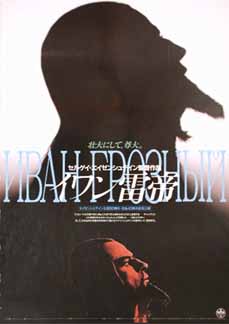
Ivan The Terrible Part 1 – The first half of Sergei Eisenstein’s planned trilogy about the Tsar who unified Russia in the 16th Century. Eisenstein, you’ll recall, was one of the foremost practitioners of dialectical montage, an editing technique whereby meaning is conveyed through the juxtaposition of different, often unrelated images, thesis + antithesis = synthesis, so to speak. His classic Battleship Potemkin is the textbook example of this technique (literally). But that film was in 1925 and this one was about 20 years later. By this time, Eisenstein had largely abandoned funky editing techniques in favor of more attention to composition and the interplay of light and shadow in the frame. Ivan The Terrible has much longer takes, much less editing than Potemkin, and even Alexander Nevsky, another of his great historical epics made just before World War 2 (Nevsky looks to be a middle ground between Potemkin and Ivan, more composed than one, but with a brilliant edited battle sequence as the film’s high point). The film takes place almost entirely indoors, as Ivan is crowned Tsar but faces the distrust and hatred of the gentry that rules way too much of Russia. He’s also surrounded by foreign enemies: Tartars in the east and south, Germans, Latvians and Livonians (a combination of Estonian and Lithuanian? or a whole separate people? I don’t know) in the west and north. Plot is entirely secondary to the film though, it’s basically just Ivan trying and largely failing to convince people to follow him by staring at them really hard. The acting is highly stylized silent movie acting, with big gestures and broad facial expressions that are very alienating for a modern audience and likely would have been to Russians in the 40s as well. But still, the film is about the compositions, and that alone is enough to make it a masterpiece. It’s a non-stop barrage of fascinating, complex, creepy and even terrifying images. I’m very much looking forward to watching part 2.