VIFF 2013 Index

This is an index of my posts relating to the 2013 Vancouver International Film Festival.

Previews:

Proposed Schedule – Sep 21, 2013
Nobody’s Daughter Haewon (Hong, 13) – Sep 23, 2013
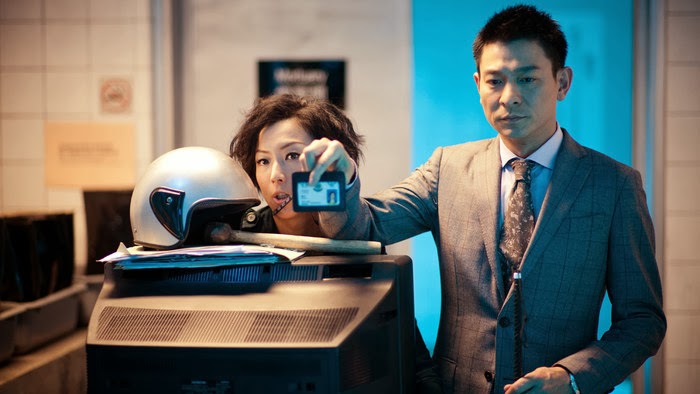
Blind Detective (To, 13) – Sep 26, 2013

Reviews:

The Great Passage (Ishii, 13) & Good Vibrations (Barros D’Sa & Leyburn, 12) – Sep 29, 2013
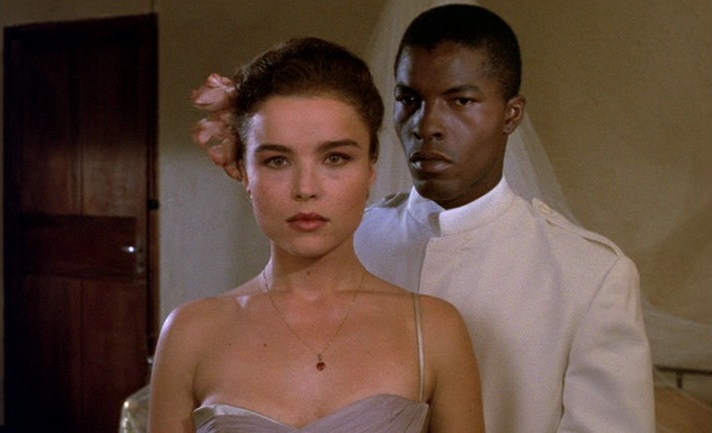
Gebo and the Shadow (Oliveira, 12) – Sep 30, 2013
Bends (Lau, 13) – Oct 01, 2013
Burn, Release, Explode, the Invincible (Kim, 13) – Oct 01, 2013
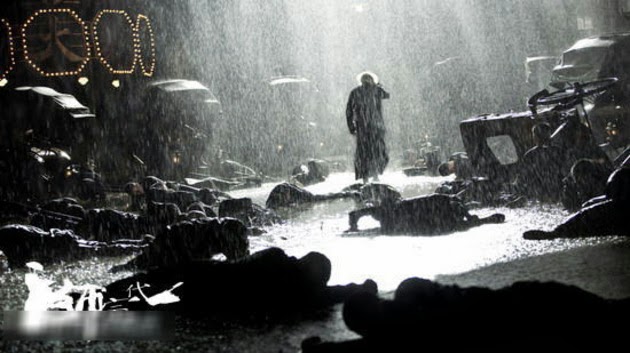
Four Ways to Die in My Hometown (Chai, 12) – Oct 02, 2013
Dragons and Tigers Awards – Oct 04, 2013
Stray Dogs (Tsai, 13) – Oct 04, 2013
Yumen (Sniadecki, Xu & Huang, 13) – Oct 23, 2013
La última película (Martin & Peranson, 13) – Feb 28, 2014

Podcasts:

They Shot Pictures Ep #21: Festival Recaps Part One – Oct 17, 2013
They Shot Pictures Ep #22: Festival Recaps Part Two – Oct 30, 2013

Ranking:

1. La última película (Raya Martin & Mark Peranson)
2. The Missing Picture (Rithy Panh)
3. A Touch of Sin (Jia Zhangke)
4. Wolf Children (Mamoru Hosada)
5. Our Sunhi (Hong Sangsoo)
6. A Spell to Ward Off the Darkness (Ben Rivers & Ben Russell)
7. Stray Dogs (Tsai Ming-liang)
8. Four Ways to Die in My Hometown (Chai Chunya)
9. Yumen (JP Sniadecki, Xu Ruotao, & Huang Xiang)
10. The Great Passage (Yuya Ishii)
11. Trap Street (Vivian Qu)
12. New World (Park Hoonjung)
13. Distant (Yang Zhengfan)
14. Mahjong (João Rui Guerra da Mata & João Pedro Rodrigues)
15. Anatomy of a Paperclip (Ikeda Akira)
16. Gebo and the Shadow (Manoel de Oliveira)
17. 9 Muses of Star Empire (Lee Harkjoon)
18. Burn Release Explode The Invincible (Kim Soohyun)
19. Redemption (Miguel Gomes)
20. Bends (Flora Lau)
21. 3x3D (Peter Greenaway, Edgar Pera, Jean-Luc Godard)
22. My First Love (Keiko Tsuruoka)
23. Grigris (Mahamat-Saleh Haroun)
24. Good Vibrations (Lisa Barros D’Sa & Glenn Leyburn)
25. Longing for the Rain (Yang Lina)
26. The King’s Body (João Pedro Rodrigues)
27. The Spider’s Lair (Jason Paul Laxamana)
28. Camille Claudel 1915 (Bruno Dumont)
(links are to letterboxd comments)

A Top 100 List for 2013

Once again this year I’m applying an element of randomization to my Top Movies of All-Time list. Spots 1-10 on the following are my hypothetical Sight & Sound ballot, as described on The George Sanders Show and presented here in chronological order. Spots 11-100 were determined by gathering a set of 921 films I consider “Top 100 quality”, films that I could reasonably see a case for being one of my 100 greatest/favorite/whatever movies of all-time (not counting ones that were in my hypothetical Top Ten from 2012) and using a random number generator to select the 90 that make up the list. Links to my previous Top 100+ lists can be found at this index here.
1. The Musketeers of Pig-Alley (DW Griffith, 1912)
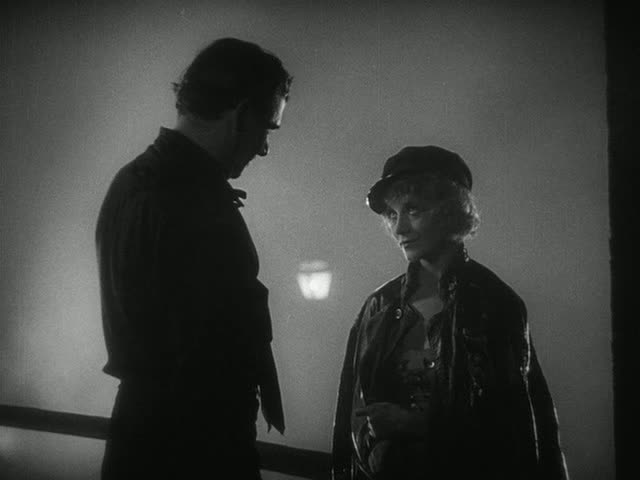
2. The Docks of New York (Josef von Sternberg, 1928)
3. The Rules of the Game (Jean Renoir, 1939)
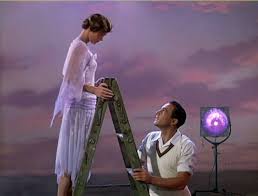
4. Singin’ in the Rain (Stanley Donen & Gene Kelly, 1952)
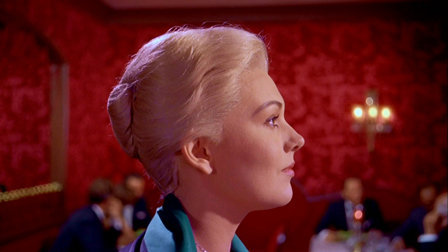
5. Vertigo (Alfred Hitchcock, 1958)
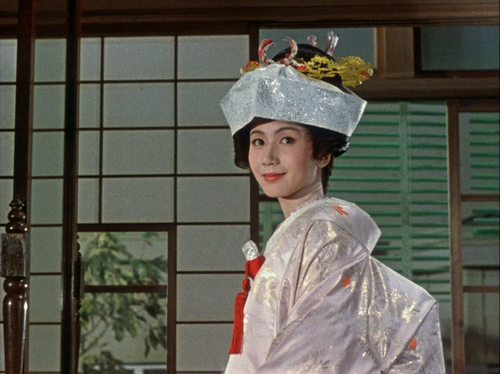
6. An Autumn Afternoon (Yasujiro Ozu, 1962)
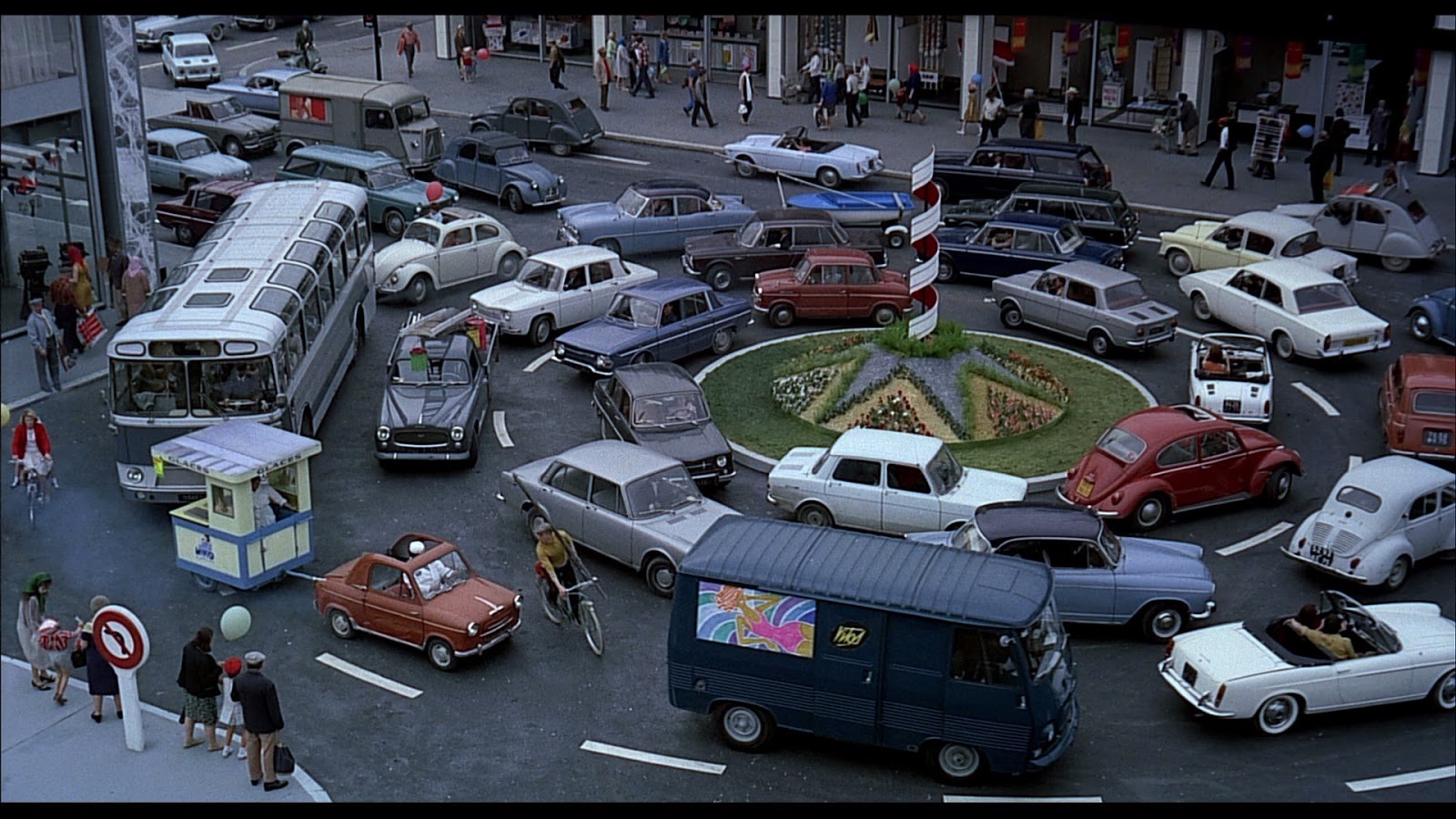
7. Playtime (Jaques Tati, 1966)
8. Annie Hall (Woody Allen, 1977)
9. Good Men, Good Women (Hou Hsiao-hsien, 1995)
10. The Big Lebowski (The Coen Brothers, 1998)

11. Three Colors: Blue (Krzysztof Kieslowski, 1993)

12. You, the Living (Roy Andersson, 2007)

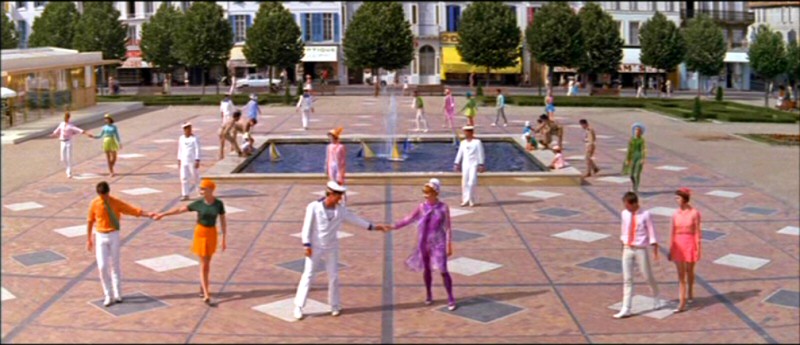
13. The Young Girls of Rochefort (Jaques Demy, 1967)

14. Kiss Me Deadly (Robert Aldrich, 1955)

15. The Taking of Pelham One Two Three (Joseph Sargent, 1974)

16. Too Many Ways to Be No. 1 (Wai Ka-fai, 1997)

17. Un chien andalou (Luis Buñuel, 1929)

18. Where Now Are the Dreams of Youth (Ysujiro Ozu, 1932)

19. Safety Last (Sam Taylor & Fred C. Newmeyer, 1923)

20. Goodfellas (Martin Scorsese, 1990)

21. Porco Rosso (Hayao Miyazaki, 1992)

22. La danse (Frederick Wiseman, 2009)

23. Gone with the Wind (Victor Fleming, 1939)

24. Sanjuro (Akira Kurosawa, 1962)

25. The Big Heat (Fritz Lang, 1953)

26. The Philadelphia Story (George Cukor, 1940)

27. The Hidden Fortress (Akira Kurosawa, 1958)

28. Bitter Victory (Nicholas Ray, 1957)

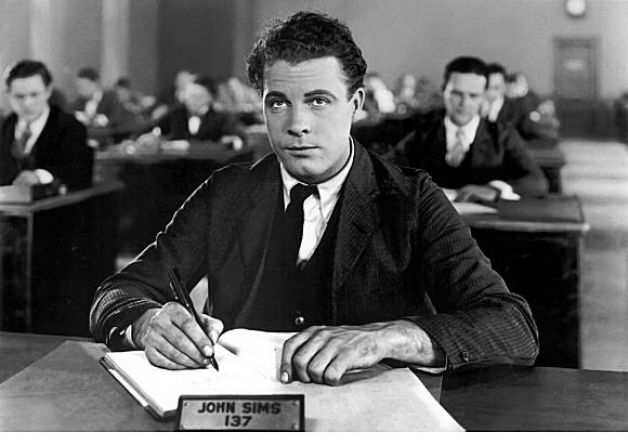
29. The Crowd (King Vidor, 1928)

30. Dust in the Wind (Hou Hsiao-hsien, 1987)

31. Raise the Red Lantern (Zhang Yimou, 1991)

32. Once Upon a Time in the West (Sergio Leone, 1968)

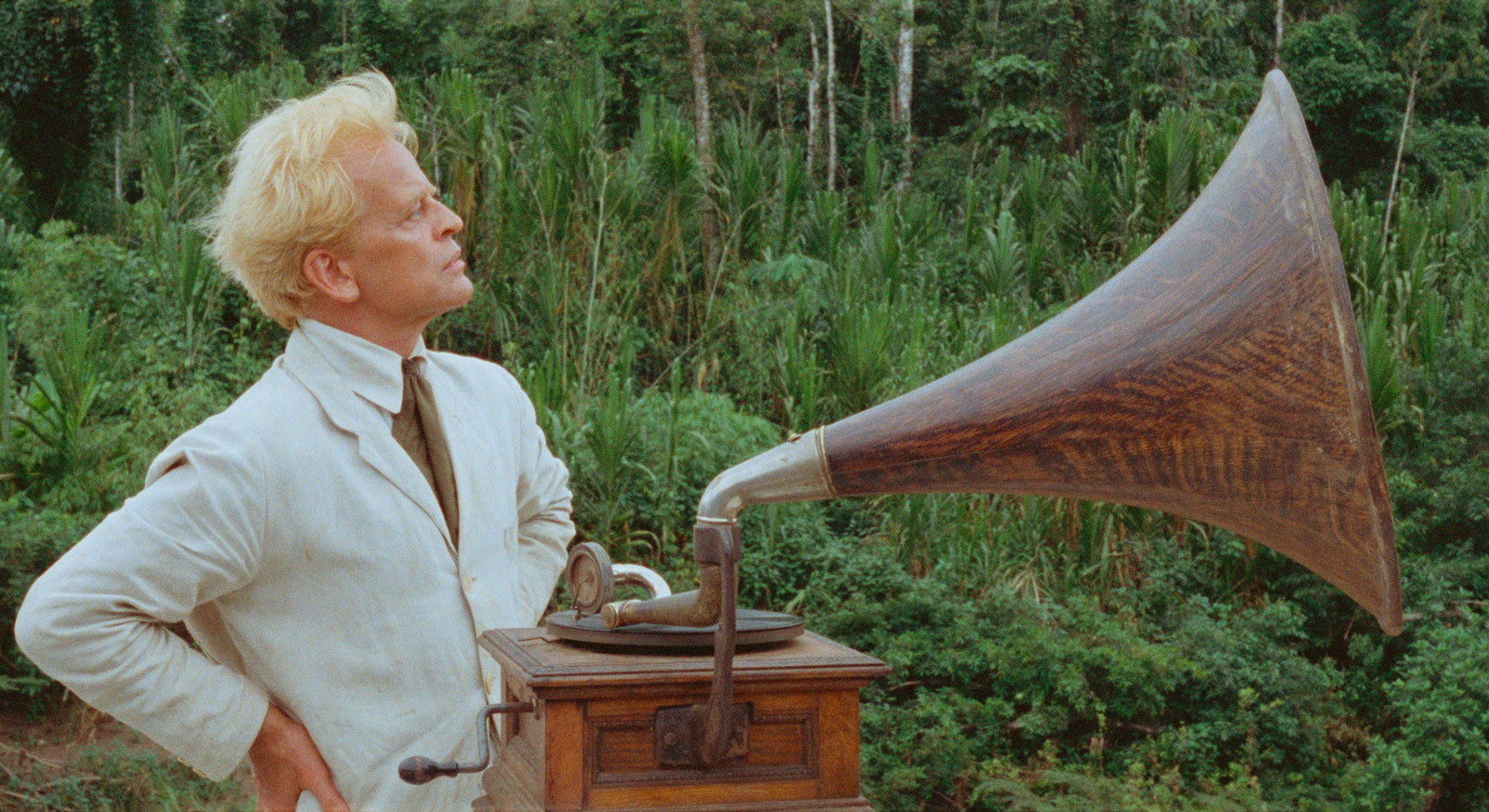
33. Fitzcarraldo (Werner Herzog, 1982)

34. The Indian Epic (Fritz Lang, 1959)

35. Alien (Ridley Scott, 1979)

36. Sound of the Mountain (Mikio Naruse, 1954)

37. Cabaret (Bob Fosse, 1972)

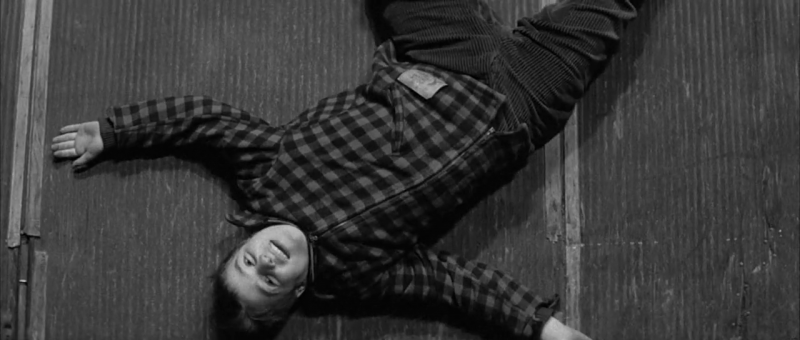
38. The 400 Blows (François Truffaut, 1959)

39. The Cheat (Cecil B. DeMille, 1915)

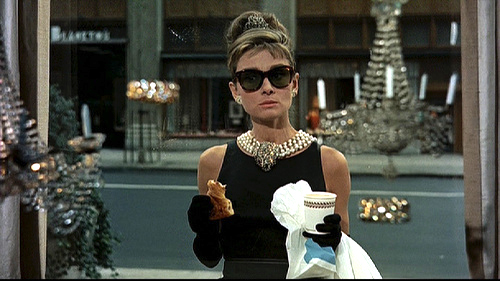
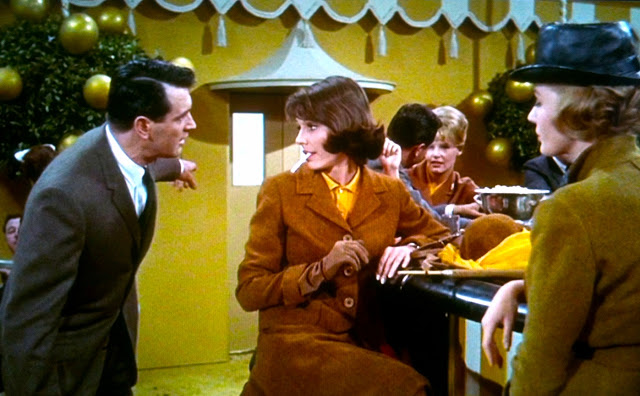
40. Breakfast at Tiffany’s (Blake Edwards, 1961)

41. The Tall T (Budd Boetticher, 1957)

42. The Awful Truth (Leo McCarey, 1937)

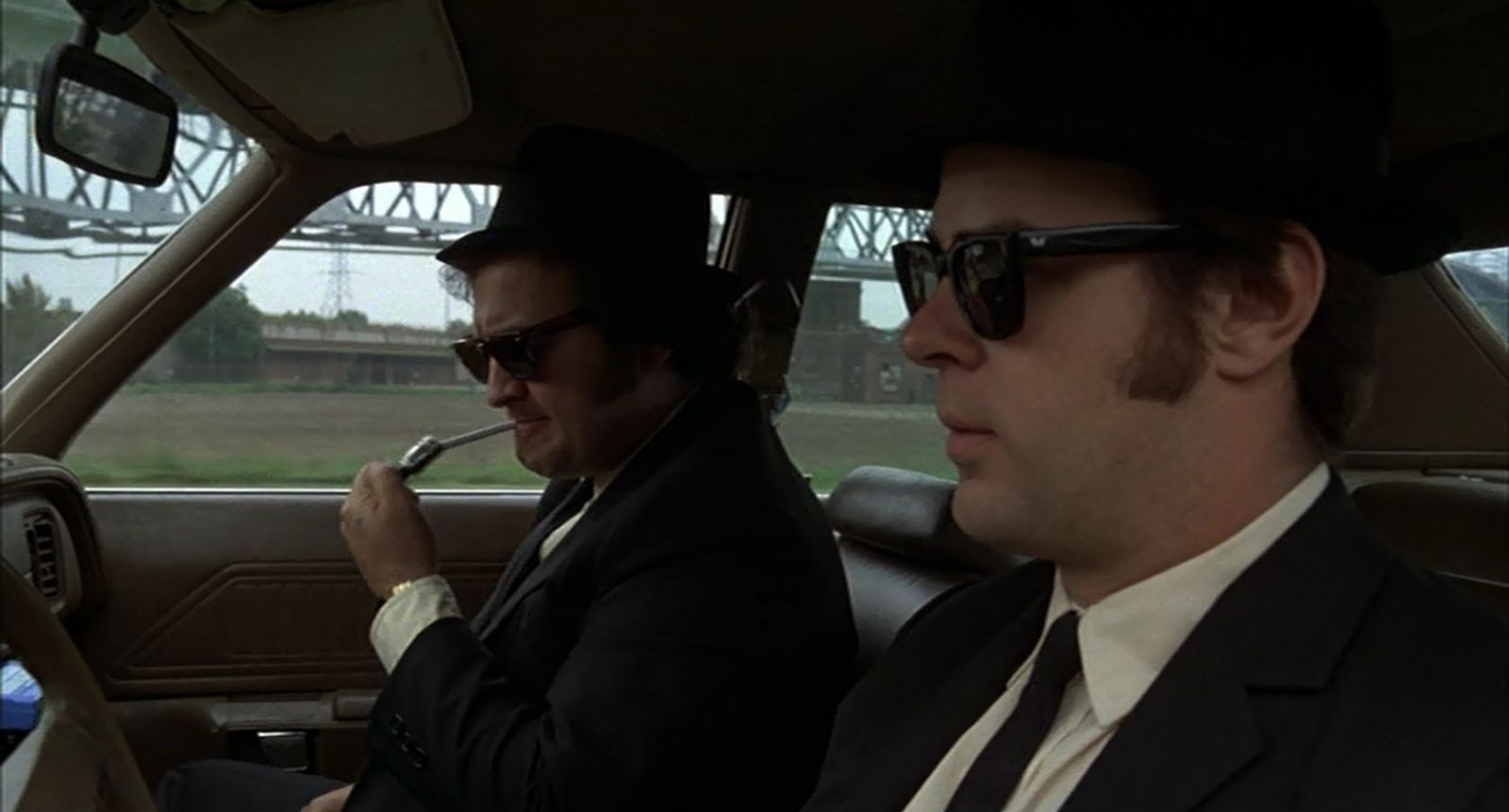
43. The Blues Brothers (John Landis, 1980)

44. Sergeant Rutledge (John Ford, 1960)

45. The Puppetmaster (Hou Hsiao-hsien, 1993)

46. Mean Streets (Martin Scorsese, 1973)

47. Friday Night (Claire Denis, 2002)

48. Rosemary’s Baby (Roman Polanski, 1968)

49. Mon oncle d’Amérique (Alain Resnais, 1980)

50. Trainspotting (Danny Boyle, 1996)

51. Blonde Venus (Josef von Sternberg, 1932)

52. Righting Wrongs (Corey Yuen, 1986)

53. My Night at Maud’s (Eric Rohmer, 1969)

54. Young Mr. Lincoln (John Ford, 1939)

55. 2046 (Wong Kar-wai, 2004)

56. Climates (Nuri Bilge Ceylan, 2006)

57. Merry Christmas, Mr. Lawrence (Nagisa Oshima, 1983)

58. Ashes of Time Redux (Wong Kar-wai, 2008)

59. Anchorman: The Legend of Ron Burgundy (Adam McKay, 2004)

60. Rashomon (Akira Kurosawa, 1950)

61. Solaris (Andrei Tarkovsky, 1972)

62. Gremlins (Joe Dante, 1984)

63. The Big Sleep (Howard Hawks, 1946)

64. The Manchurian Candidate (John Frankenheimer, 1962)

65. Goodbye, Dragon Inn (Tsai Ming-liang, 2003)

66. The Birds (Alfred Hitchcock, 1963)

67. The Thing from Another World (Christian Nyby, 1951)

68. Metropolis (Fritz Lang, 1927)

69. Hearts of Darkness: A Filmmaker’s Apocalypse (Coppola, Hickenlooper & Bahr, 1991)

70. Yesterday, Once More (Johnnie To, 2004)

71. Limelight (Charles Chaplin, 1952)

72. Assault on Precinct 13 (John Carpenter, 1976)

73. The Matrix (The Wachowskis, 1999)

74. Simple Men (Hal Hartley, 1992)

75. 7th Heaven (Frank Borzage, 1927)

76. The Bank Dick (Edward F. Cline, 1940)

77. To Live and Die in LA (William Friedkin, 1985)

78. The Fly (David Cronenberg, 1986)

79. Apocalypse Now (Francis Ford Coppola, 1979)

80. Picnic at Hanging Rock (Peter Weir, 1975)

81. The Wind (Victor Sjöström, 1928)

82. Hard-Boiled (John Woo, 1992)

83. Nanook of the North (Robert Flaherty, 1922)

84. It’s a Gift (Norman Z. McLoud, 1934)

85. The Apartment (Billy Wilder, 1960)

86. Tropical Malady (Apichatpong Weerasethakul, 2004)

87. Man’s Favorite Sport? (Howard Hawks, 1964)

88. Boudu Saved from Drowning (Jean Renoir, 1932)

89. Women on the Verge of a Nervous Breakdown (Pedro Almodóvar, 1988)

90. La Collectionneuse (Eric Rohmer, 1967)

91. Notorious (Alfred Hitchcock, 1946)

92. A Man Escaped (Robert Bresson, 1956)

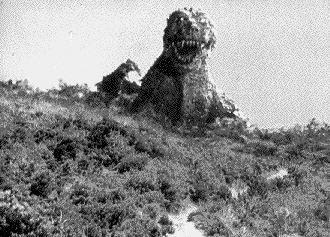
93. Godzilla (Ishiro Honda, 1954)

94. Boogie Nights (Paul Thomas Anderson, 1998)

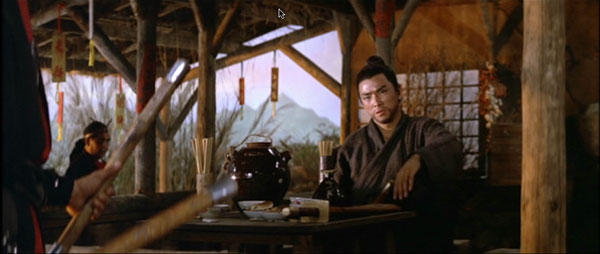
95. The One-Armed Swordsman (Chang Cheh, 1967)

96. The Royal Tenenbaums (Wes Anderson, 2001)

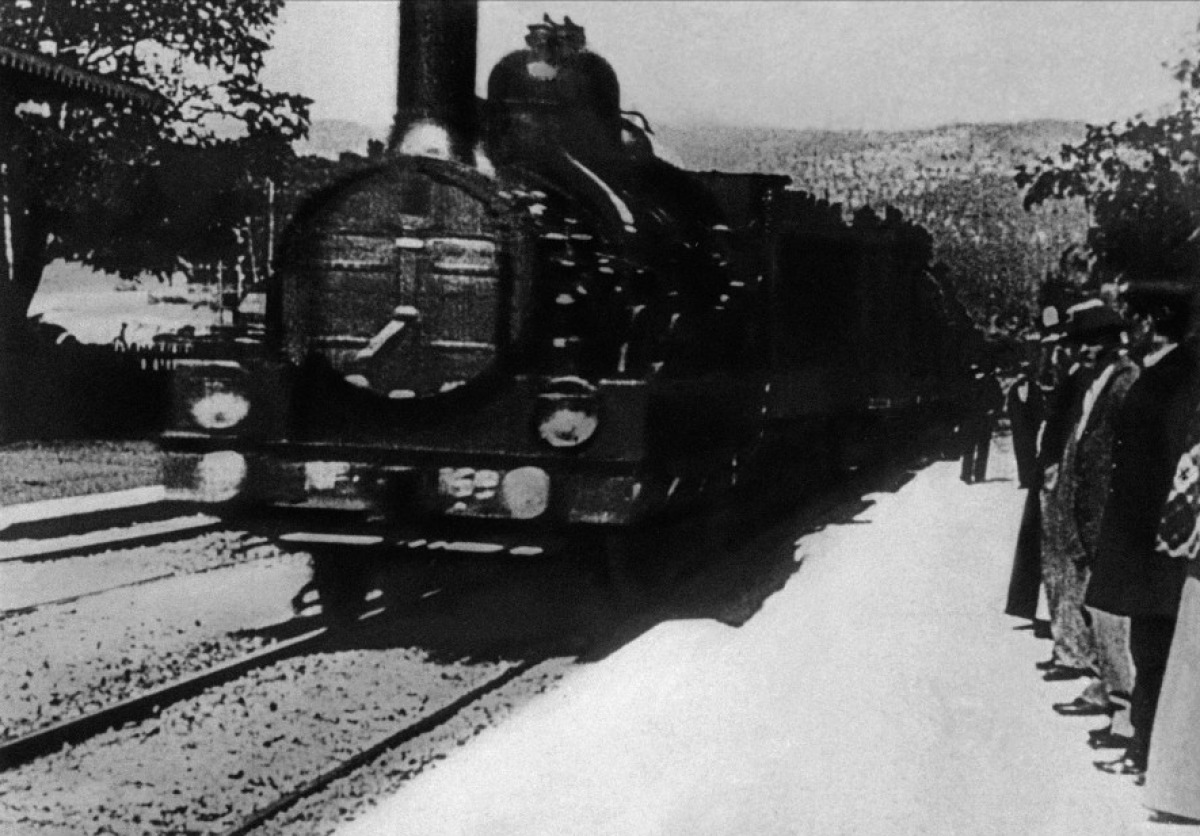
97. L’Arrivée d’un train en gare de La Ciotat (The Lumière Brothers, 1896)

98. Do the Right Thing (Spike Lee, 1989)

99. Zu: Warriors from the Magic Mountain (Tsui Hark, 1983)

100. The Day He Arrives (Hong Sangsoo, 2011)

Summer of Sammo: Boat People

I’ve declared this the summer of 2013 to be the Summer of Sammo. Throughout these months I’ve been writing about films starring or directed by Sammo Hung, as well as other Hong Kong genre films of the Sammo Hung era. Here’s an index.

Revolution is war is hell.

Something in the air with the Hong Kong New Wave and Japanese leftists in 1982. Patrick Tam’s Nomad envisions the United Red Army as psychotic dead-enders while Ann Hui here depicts an idealistic photojournalist who sees past the Potemkin images provided for him by the newly victorious government of Vietnam to the nasty reality of post-revolutionary entrenchment. It’s hard not to read Hui’s Vietnam as a stand-in for China during the Cultural Revolution, but that just may be because I know a bit more about China in this period than I do Vietnam: the forced labor camps, the elevation of bureaucratic illusionism to a political doctrine, the cannibalization of the previous generation’s revolutionaries by a new generation of amoral ideologues (coming of age in a period of war, they lack any kind of rational moral sense, or rather, “the revolution doesn’t allow for petit-bourgeois notions of ethics” as they put it).

George Lam plays the Japanese journalist Akutagawa, a World War II orphan whose parents were killed by American bombing when he was only a year old, and who documented the triumphant liberation of Danang. He returns to Vietnam three years later to report on the country’s progress. What he finds once he manages to break away from the direction of the Culture Bureau horrifies him. Starving children stripping bodies of freshly executed men, kids selling themselves into prostitution, political prisoners forced to clear fields of landmines all while the older generation of revolutionaries drink themselves to oblivion in nostalgia for their early post-colonial ideals. In a blunt but potent metaphor, Akutagawa is so moved by what he sees that he takes action, trading his camera for the cash to finance the escape of a couple of kids.

The film was attacked as pro-Chinese (and/or anti-Communist) propaganda on its release in 1982. It was the first Hong Kong film shot on the mainland since the revolution (technically on the island of Hainan, under PRC control) and was made in the wake of the brief Chinese border war with Vietnam in 1979. The role played by Andy Lau (one of his very first performances) was meant for Chow Yun-fat (who had starred in Hui’s previous film about Vietnamese refugees, The Story of Woo Viet) but, the story goes, he turned it down because by shooting a movie in China, Chow would have been blacklisted by the Taiwanese film industry. The film was pulled from competition at Cannes apparently because of its political content (the French government was anxious to maintain good relations with Vietnam) and it was apparently panned in the Village Voice by J. Hoberman and Andrew Sarris, though I can’t find any record of this online.

But the politics of revolutionary art in the late 70s and early 80s were more fraught than they are today. Far removed as we are from the cauldron of the Vietnam War, we can look at Hui’s film on its own terms, and see that it was what she maintained it was all along: a deeply humane anti-war film. It doesn’t take a position on politics, or on Vietnam itself. What it depicts is a society gone off the rails, utterly destroyed by 50 years of war and poverty. It’s not the ideology of the victors that’s at fault, it’s war itself. My working theory on the Hong Kong New Wave is that it was attempting to document as clearly as possible within certain industrial generic confines the reality of a generation of kids raised in the abject backwash of decades of war. Boat People is the most direct expression of that idea I’ve seen yet.

Summer of Sammo: My Heart is that Eternal Rose

I’ve declared this the summer of 2013 to be the Summer of Sammo. Throughout these months I’ve been writing about films starring or directed by Sammo Hung, as well as other Hong Kong genre films of the Sammo Hung era. Here’s an index.
A triad love story movie that stars Kenny Bee, Joey Wang, Tony Leung, Gordon Liu and Ng Man-tat (Stephen Chow’s frequent sidekick). Directed by Patrick Tam and (partially) shot by Christopher Doyle and produced by John Sham (one of the Lucky Stars).
If only one of Chang Cheh’s stars like David Chiang or Ti Lung, or even Sammo himself had somehow been involved, this would represent the ultimate expression of Hong Kong cinema. It would be to the Summer of Sammo what Dressed to Kill is to the Caine-Hackman Theory.
Anyway, great movie, though Tony and Gordon appear to have lost bets and were thus forced to wear John Stamos’s hair. This leads to one of the more unforgettable images in film history: Gordon Liu wearing red pants and a gold jacket, sitting cross-legged and sleazy and eating a banana, fanning himself with his own toupee.
The plot itself is an interesting variation on the heroic bloodshed genre. Those films are usually built around a conflict between morality and the dictates of a Code. This film is structured as a series of moral dilemmas as well, but the Code itself plays very little part, rather it’s conflicts are based in love, filial and romantic, and its incompatibility with the triad world. The characters find themselves increasingly boxed into scenarios from which there is no real possibility of escape. Joey Wang’s only currency is her body, every time she wants something, the only way she’s allowed to bargain for it is by selling herself, either into prostitution for Michael Chan’s Godfather Shan, or by allowing his psychotic henchman Gordon Liu to sleep with her. Everyone but our three heroes is either depraved, dishonest and cruel or weak and pathetic. Chan’s honorary Godfather title becomes twisted and evil: he is the inversion of Wang’s compromised and impotent father and he declares himself to be God himself: the final arbiter of this Hell. The heroes inability to escape this degraded world doesn’t feel heroic or sacrificial, in the way that similar scenarios play out in John Woo’s films (think of the redemption and hope in Tony Leung’s final boat ride at the end of Hard-Boiled), but rather it simply depicts the inevitability of tragedy and loss in such a center-less moral universe. There’s no alternative, no moments of grace. Merely Tony Leung’s sadness as he floats away.
Young Tony Leung is a revelation, the same year of his breakthrough in Hou Hsiao-hsien’s A City of Sadness finds him playing a totally different kind of role, a callow youth whose innocence and naiveté mask hidden reserves of determination and depth of feeling. Leung is my pick as the greatest actor in film today, and this early work, he’d spent the previous five years or so working in television and light comedies, finds him already performing on multiple levels within a single scene or shot. He won a well-deserved Best Supporting Actor Hong Kong Film Award, his second. He’d won two years earlier for People’s Hero, a film I’d not heard of, but it costars the other Tony Leung and Ti Lung, and was directed by Derek Yee, David Chiang’s younger brother and an ex-boyfriend of Maggie Cheung. The Summer of Sammo is a vast and tangled web.

Summer of Sammo: A Brief Thought on the Ending of Crouching Tiger, Hidden Dragon

I’ve declared this the summer of 2013 to be the Summer of Sammo. Throughout these months I’ve been writing about films starring or directed by Sammo Hung, as well as other Hong Kong genre films of the Sammo Hung era. Here’s an index.

I still think this is a pretty great movie, almost 15 years after it proved to be a surprise hit, thanks in no small part to Sony Pictures releasing it uncut in its intended form (ahem, Harvey Weinstein). That it lost Best Picture to Gladiator is one of the underrated travesties of recent Oscar history (and there’s a tough competition). Especially fantastic are the fight scenes, where Ang Lee’s classical restraint in framing and editing gives weight to Yuen Woo-ping’s spectacular wire stunts. Where the dominant 90s standard had been the Ching Siu-tung/Tsui Hark school of rapid-cutting to hide the strings, Lee and Yuen, working with a bigger budget and fancier technology were able to digitally remove them, giving them much more room to relax the visual style and allow the excitement to come from the actors moving through space (my favorite shot might be one from the fight at the inn, where the camera glides down three stories following Zhang Ziyi’s jump, a POV version of the old trampoline stunt rendered smooth and lovely by computers and Steadicam). The movie’s full of great fight sequences, great performances and is a touching tribute to the wuxia classics of the 60s and 70s, particularly those King Hu made in Taiwan and that Ang Lee was familiar with from childhood.

But. . .

The epilogue still doesn’t sit right with me. A bunch of people seem to think the movie ends with Zhang Ziyi killing herself, maybe because she’s sad that she basically caused Chow Yun-fat’s death. But in no way do I think that’s what Ang Lee intended to convey. She leaps off the cliff to fulfill Chang Chen’s wish, and flies away knowing it has come true (like the boy in the folk tale he had previously told her). The contradiction is that his wish is for them to be together, and thus the ending is a paradox: she’s alone but free and together and in love. She can’t be both, and so the film ends in a kind of zen state. That’s fine, except Lee hasn’t really prepared the audience for that kind of ending (in the way that King Hu slowly builds to the ending of A Touch of Zen), it being for the most part a straight-ahead action movie with asides about the contradictions of love and honor.

The whole film is about what people want from Zhang: everyone wants her to be something in relation to them rather than allow her to develop as her own person: daughter, disciple, sister, wife, lover. The love/honor conflict is the story of the interrupted romance between Chow Yun-fat and Michelle Yeoh. But they’re on the verge of resolving the contradiction, by setting aside out-dated notions of loyalty (to her dead fiancee) and getting on with their romantic lives. Their resolution doesn’t require some kind of supernatural wish-fulfillment (it’s just chance circumstance that gets in the way), and neither do we think Zhang’s should. At the end of the film, she and Chang are together at Wudan Mountain, she’s freed from her evil master (the always great Cheng Pei-pei) and her familial obligations. There is literally nothing stopping them from living happily ever after. And yet, she jumps. Why? Devotion to a code of honor she’s seen ruin the lives of Yeoh and Chow, has had no respect for or belief in in the past? Or sadness and guilt leading to suicide? Realization that Chang only wants something from her as well, that with him she’ll never really be free?

I think what Lee is after is that her leap is an expression of her conflicting desires: she wants freedom and she wants Chang: domestic happiness along with a fulfilling career as a martial arts professional. That’s not too complex a concept (it’s a challenge being a working wife and mother), but the vagueness with which Lee depicts it lends itself too easily to misinterpretation (the suicide theory) or dismissal (he’s just being obscure so as to make the movie seem more “arty”.) But I’m curious as to what other people think. I love so much else about the film.

Summer of Sammo: Ashes of Time Redux

I’ve declared this the summer of 2013 to be the Summer of Sammo. Throughout these months I’ve been writing about films starring or directed by Sammo Hung, as well as other Hong Kong genre films of the Sammo Hung era. Here’s an index.
As with My Blueberry Nights and 2046, a person trying to escape their own past romantic disappointments becomes witness to the stories of other people, and thus is able to cope with their own issues. Like Chow Mo-wan in In the Mood for Love, Ouyang Feng (Leslie Cheung) has lost the love of his life, Maggie Cheung in both cases, because he failed to take action. She marries his brother and he sets himself up in a remote desert outpost where he acts as a middleman for people looking to hire swordsmen.
The setting recalls Dragon Gate Inn, King Hu’s iconic locale on the edge of civilization, while the plight of the local villagers (who we never meet) recalls Seven Samurai (plagued by bandits, they keep hiring fighters to defend them). The structure is that of a series of interconnected short stories about the swordsmen Ouyang meets and all of the stories are Wongian tales of love, rejection and memory. The characters are based on Louis Cha’s novel Legend of the Condor Heroesand the stories are Wong’s imagined background for the novel. (This was the first book in a trilogy, and episodes from it have been filmed often. Shot at the same time with the same cast as Ashes of Time, in an effort to recoup some its legendary cost-overruns, Jeff Lau’s The Eagle-Shooting Heroes is a parody of the book, most memorable for Tony Leung Chiu-wai’s performance as a man who thinks he’s a duck. Chor Yuen directed two straight adaptations of the third book in the trilogy, Heaven Sword and Dragon Sabre, which I’ve written about this Summer of Sammo.)
The first story stars Brigitte Lin as a person with a split personality. The heir to the Murong clan, named either Murong Yin or Murong Yang depending on if the female or male personality is dominant, respectively. Yang is in love with Yin and wants Ouyang to kill the man Yin loves. Yin in turn wants Ouyang to kill Yang. The story plays off Lin’s androgynous star persona, memorable from Ching Siu-tung’s Swordsman II, in which her gaining advanced kung fu powers turns her from a man into a woman, while also establishing that the romantic problems of Wong’s heroes are entirely self-contained. His lovers are not separated by circumstance or society or the crossing of stars, though they might describe it as fate, their problems are really of their own creation. It also establishes that the kind of obsessive romanticism his characters express is also solipsistic, it’s more about creating an image of their self than it is about connecting with another human being. Wong’s selfish characters find such connection impossible, all they can do is strike a dashing pose. Their lives are mediated through their romantically tragic ideals, or through the adoption of certain genre-based identities (see: As Tears Go By, Days of Being Wild, Chungking Express, Fallen Angels) the paradox is that that mediation, through the hearing and telling of stories, is the way his characters ultimately find some measure of solace or even, rarely (Chungking Express, My Blueberry Nights) a measure of happiness. (This is why Faye and Cop 663 in Chungking Express are Wong’s most remarkable heroes: they are the only ones able to transform the very nature of reality itself, and thus their story becomes romantic comedy rather than tragedy).
The second story follows Tony Leung Chiu-wai’s swordsman, nearly 30 years old and almost blind (growing up is a kind of death, of course). Sad that his wife has left him for his best friend, he wants to go home and see the peach blossoms one last time. The best friend is played by Tony Leung Ka-fai (again the self-focus: the Tony Leungs divided against themselves), who we had met somewhat earlier. TLKF, playing Huang Yaoshi, threads his way through all the stories as a kind of counter to Ouyang Feng. Huang is an annual visitor to Ouyang’s outpost, and this time he’s brought a bottle of magic wine that erases your memory (see also: 2046). Huang drinks the wine and promptly forgets that he’s the desire object not just of TLCW’s wife, but also the first story’s Murong Yin. But more on that in a bit. The blind swordsman hires himself out to the villagers, before leaving, he grabs a young girl (she’s waiting by the outpost to hire a swordsman, but can only pay with a handful of eggs), sweeps her into his arms and kisses her. “I don’t know why I did that” he says in voiceover, as we see her annoyed reaction at being used as a prop in his romantic hero pose. As he marches off to face the enemy, his story provides the ideal opportunity for Wong and cinematographer Christopher Doyle to indulge themselves with some of the wildest images of their legendary partnership.
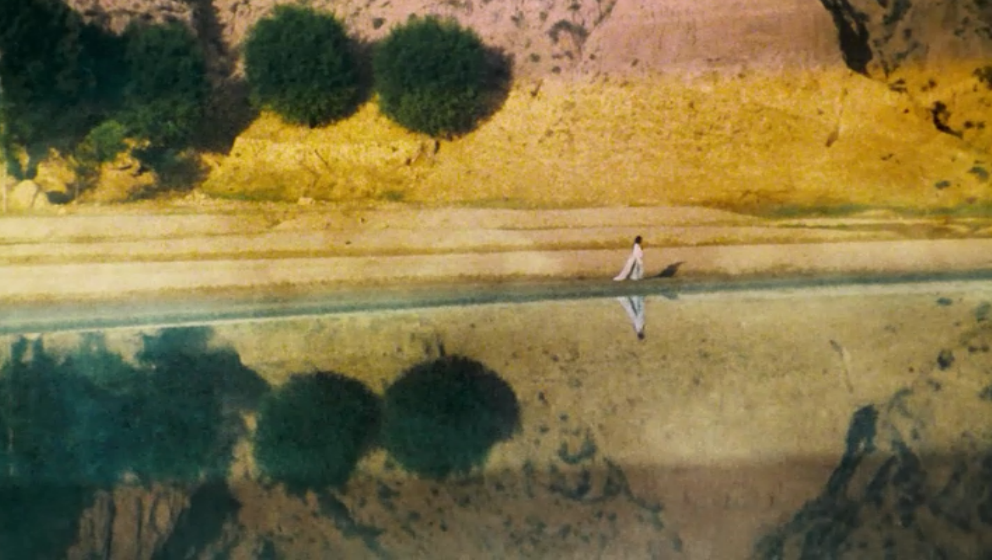
Ashes of Time, at least in the Redux version that is the only one currently available (I saw the old crappy DVD of the original cut years ago, but really don’t remember it all that well) is a remarkably beautiful film. Now, to some extent these things are subjective: one person’s gorgeous is another person’s indulgent (see also: the wuixa epics of Zhang Yimou), but I’ve never seen anything like this film’s hallucinogenic desert landscapes, overexposed colors threatening to burn themselves right out of the frame, step-printed slow-motion reducing Sammo Hung’s fight choreography to swirls of dirt and blood and death. Look carefully and you’ll see this is some of Sammo’s best work: the fluidity of his choreography is fully expressed in the blurs of Wong’s imagery. It’s exactly the opposite approach of Sammo’s own visual style, and that of the Shaw Brothers masters before him, with their emphasis on clarity and precision of movement. Nor is it like the montage-heavy wire-fu style of Ching Siu-tung, which uses editing to connect formal poses with impossible movements in an onslaught of high-speed action. Wong’s fights don’t just convey the visceral, emotional chaos of combat, as in the even more extreme montage approach of Paul Greengrass (to take one example out of many in contemporary Hollywood). The blur itself is a thing of beauty, with Sammo’s team’s highly skilled and organized movements still visible within the impressionistic images. In this way, it combines the emphasis on displaying real-life stunt man skill of the old Shaw style with a more expressive visual approach. Rather than hide the kung fu choreography behind a swirl of editing and cinematography, Ashes of Timerenders it more radically beautiful than had ever been done before.
The third and fourth stories are mirror-images. Jacky Cheung, playing Hong Qigong, arrives at the outpost as a shoeless swordsman and defeats the bandits, but loses a finger. His wife shows up and Ouyang persuades him to take her with him on his various quests, they had been estranged as he journeyed away from the home. Hong also helps the egg-girl. We then learn about Ouyang’s backstory through voiceover by Maggie Cheung as she tells it to Huang Yaoshi, the other Tony Leung. Ouyang left her behind, never telling her he loved her, so out of spite she married his brother and now they’re all miserable, Maggie living on Peach Blossom Island, with Huang visiting her every year the same way he visits Ouyang at his outpost on the opposite end of the country. The Blind Swordsman, too, was sad because his wife (Carina Lau, her character named “Peach Blossom”) was in love with the other Tony Leung, his “brother”. Hong is able to resolve the conflict between love and jianghu by bringing his wife along on his travels, something Ouyang and the Blind Swordsman failed to do, with the result that they lost their lovers to other men while Hong keeps his. The only other way to resolve the romantic sadness that torments the characters is the magic memory-erasing wine, given by Maggie to Huang in the hopes that he’ll give it to Ouyang. Huang drinks it himself first, erasing his memory of Peach Blossom, of Murong Yin/Yang, and of Maggie, the women he’s loved, been loved by and from whom he’s heard a tragic love story, respectively. He then retreats to the East while Ouyang reenters the world. Their stories continue from there in Louis Cha’s books as the Lords of the East and West, respectively (while Hong Qigong becomes the Nine-Fingered Swordsman, the King of Beggars).
So Ashes of Time presents a few recurring Wongian themes: loss of love, the torments of memory, paralysis in the face of desire, but places them firmly in a wuxia generic context. But it doesn’t really explore these martial codes as the source of personal or romantic unhappiness, in the way that, say Chang Cheh or Johnnie To examine the contradictions inherent in the martial codes that lie at the heart of martial fiction (whether supernatural wuxia, realist kung fu or modern triad/cop stories). Wong seems simply unable to make a straight genre film, it always digresses, mutates, twists into a purely Wong Kar-wai movie in the “final” editing (which is always temporary, with Wong not even final cuts are permanent). This is what makes The Odd One Dies is To’s most Wongian film: it wants desperately to be the assassin/triad film the plot and setting demands, but a lushly tragic romance bursts forth instead. For Wong, the sources of anguish are as much personal as external. Indeed, the heroes of Ashes of Time, if you can even call them that, don’t follow much in the way of codes of honor anyway, as in the repeated betrayals of one’s own brother (in the stories of the Blind Swordsman and Ouyang Feng, and sort of in the story of Murong Yin/Yang). The only hero who manages a level of romantic happiness is Hong Qigong, who violates the martial code by bringing his wife along on his journeys, resolving the demanded split between the martial and the marital, actively choosing to behave as a unified whole with his wife. Action is always painfully difficult for Wong’s heroes. Andy Lau in As Tears Go By is unable to pursue Maggie Cheung because of his loyalty to his “brother”, Jacky Cheung and the triad code he follows. Tony Leung in In the Mood for Love is unable to pursue Maggie Cheung because of his loyalty to his wife and the marriage code he follows, despite the fact that his wife has betrayed him. Wong seems more interested in how we cope after love has gone wrong than in how it went wrong in the first place. In Chungking Express, the two cops slowly move on from failed relationships after magical encounters with other women. In 2046, Tony Leung turns the events and characters of all of the previous Wong Kar-wai movies into characters in a novel, set far in the future, where time and memory stand still. In My Blueberry Nights, Norah Jones travels across America, watching other people’s disappointments and gathering the strength to move on from her own. And in Ashes of Time, the failed lovers obliterate themselves, while Ouyang Feng listens to their stories, tells them to us, and moves on.

This Week in Rankings

Since the last rankings update, I’ve recorded a new episode of They Shot Pictures on John Ford, as well as a couple episodes of The George Sanders Show (Logan’s Run and WALL-E and Gun Crazy and Point Break). The Ford show should be posted any day now, while you can find the Sanders show at our website.

As part of my preparation for the Ford discussion, I wrote here about his My Darling Clementine and Sergeant Rutledge. I’m also continuing with the Summer of Sammo, but moving away from the Shaw Brothers films of the 1960s and 70s into the New Wave films of the 80s and 90s. So far I’ve written about Wong Kar-wai’s Days of Being Wild and Patrick Tam’s Nomad. I’ll need to think of a new name for this series of reviews in a few weeks, as summer is coming to an end and I don’t think I’ll be able to wait until December rolls around and it’s time for Christmas with the Shaw Brothers to rent more of these films. Any suggestions?

I’ve added and updated some lists over at letterboxd for Tony Leung, Maggie Cheung, John Ford, Wong Kar-wai and George Sidney. On that same page you can also find updated lists for many other directors and actors.

These are the movies I’ve watched and re-watched over the last few weeks, and where they place on my year-by-year rankings. Links are to my short letterboxd reviews/comments, where applicable.

Straight Shooting (John Ford) – 3, 1917
Just Pals (John Ford) – 4, 1920
The Iron Horse (John Ford) – 5, 1924
Stagecoach (John Ford) – 3, 1939
My Darling Clementine (John Ford) – 8, 1946
She Wore a Yellow Ribbon (John Ford) – 4, 1949

Wagon Master (John Ford) – 2, 1950
Gun Crazy (Joseph H. Lewis) – 5, 1950
Rio Grande (John Ford) – 14, 1950
Sergeant Rutledge (John Ford) – 7, 1960
Two Rode Together (John Ford) – 6, 1961
Hatari! (Howard Hawks) – 10, 1962

Logan’s Run (Michael Anderson) – 22, 1976
Raining in the Mountain (King Hu) – 9, 1979
Return of the Sentimental Swordsman (Chor Yuen) – 27, 1981
Nomad (Patrick Tam) – 2, 1982
Ishtar (Elaine May) – 6, 1987
As Tears Go By (Wong Kar-wai) – 7, 1988

Days of Being Wild (Wong Kar-wai) – 1, 1990
Full Moon in New York (Stanley Kwan) – 16, 1990
Point Break (Kathryn Bigelow) – 19, 1991
Full Contact (Ringo Lam) – 20, 1992
WALL-E (Andrew Stanton) – 3, 2008
The Avengers (Joss Whedon) – 44, 2012

Summer of Sammo: Nomad


I’ve declared this the summer of 2013 to be the Summer of Sammo. Throughout these months I’ve been writing about films starring or directed by Sammo Hung, as well as other Hong Kong genre films of the Sammo Hung era. Here’s an index.

Taking the Summer of Sammo in a new direction, I’m trying to catch up with the Hong Kong New Wave, of which Sammo Hung, Tsui Hark and such are tangentially related, but with which I’m pretty unfamiliar outside of the action genres. This Patrick Tam film defies easy genre labeling. For much of its run, its feels like a slice of life teenage film, not unlike American Graffiti or Dazed and Confused or Metropolitan, but more in the style of later Taiwanese directors like Edward Yang or Hou Hsiao-hsien (though without their rigorously distanced visual style). It follows the romantic lives of four young Hong Kongers: Louis (Leslie Cheung) and his friend (cousin?) Kathy (Pat Ha) are rich and Tomato (Cecilia Yip) and Pong (Ken Tong) are poor, but after some very funny meet cutes (Pong and Kathy at a pool, Pong and Louis fighting outside a record store (they all love David Bowie), Louis watching Tomato juggle boyfriends over a pair of telephones) they all become friends and lovers. The first hour or so of the film follows their budding romances and friendships, pitted against the peculiar environments of the city (an empty double decker bus provides a better make-out space than a tiny apartment cramped with relatives and mah jong tables).

Hints are given of the political context of the time, first in the haunting recordings Louis listens to of his mother, a classical music DJ, saying farewell to her family on air, presumably just before she’s carried off by the Cultural Revolution, and later in the character of Shinsuke, an old boyfriend of Kathy’s who shows up having deserted from the Japanese Red Army, a communist terrorist group (to put it simply) that is now hunting him. The film’s deeply unsettling conclusion arrives as a clash between these two worlds. The kids’ romantic getaway, lushly and stylishly photographed, self-concsiouly arty in contrast to the more immediate realistic style of the earlier sections of the film, is interrupted by a spasm of violence, both ultra-modern and ancient in its form and politics. Youth a romantic dream shattered by ugly reality.

It’s easy to see the influence this must have had on Wong Kar-wai, the early sections evoking the mood and style of the romantic interludes of As Tears Go By and Days of Being Wild (which shares a star, Leslie Cheung, already as sad as he is lovely) while the disruptions of violence prefigure the war between genre conventions and art romance that dominate Wong’s early films. Like Days, the past in Nomad is largely an unspoken thing, a gap in history that undergirds the seeming aimlessness of its characters. I can’t wait to see where Tam went from here, though he doesn’t seem to have a prolific career, he did work as an editor on Days of Being Wild, Ashes of Time and Johnnie To’s Election.


The George Sanders Show Episode Eight: Gun Crazy and Point Break

This week, we dive into the seedy noir world of Joseph H. Lewis’s 1950 film Gun Crazy, take a stroll along the beach with Keanu Reeves and Patrick Swayze in Kathryn Bigelow’s Point Break and talk about our Essential Adrenalizing films. We also take a closer look at the career of Keanu and debate the proper usage of the phrase “Vaya con Dios”.

You can subscribe to the show in iTunes, or download or listen to it directly from our website.