On the 2014 Academy Awards (Or the Vice of Intended Ignorance)

I do love the Oscars. As long as I can remember, I’ve watched them. The first ceremony I have any memory of was the one held in 1982, just days shy of my sixth birthday. I had only seen one of the films in contention, Raiders of the Lost Ark, of course, but all I really remember is the theme song from Chariots of Fire. We watched the show every year, whether we’d seen any of the movies or not (my mom would race home from work to catch the beginning (back when the show used to be on a Monday so that it wouldn’t compete with weekend theatrical movie business, remember when that was a thing that mattered?) and I’d have to fill her in on any awards she’d just missed (Supporting Actor or Actress, always). I remember ET inexplicably losing to Gandhi (though mom raved about Ben Kingsley’s performance). I remember The Right Stuff (a very popular film among the grown-ups I knew; though I’d seen it, it was too slow and boring for me at that point) being upset by Terms of Endearment and mom’s love of Out of Africa (big Redford fan) and Amadeus. I remember someone on television claiming that Dustin Hoffman in Rain Man was one of the best performances ever. I remember rooting for Dead Poets Society or Field of Dreams and being as baffled as anyone by Driving Miss Daisy‘s win.

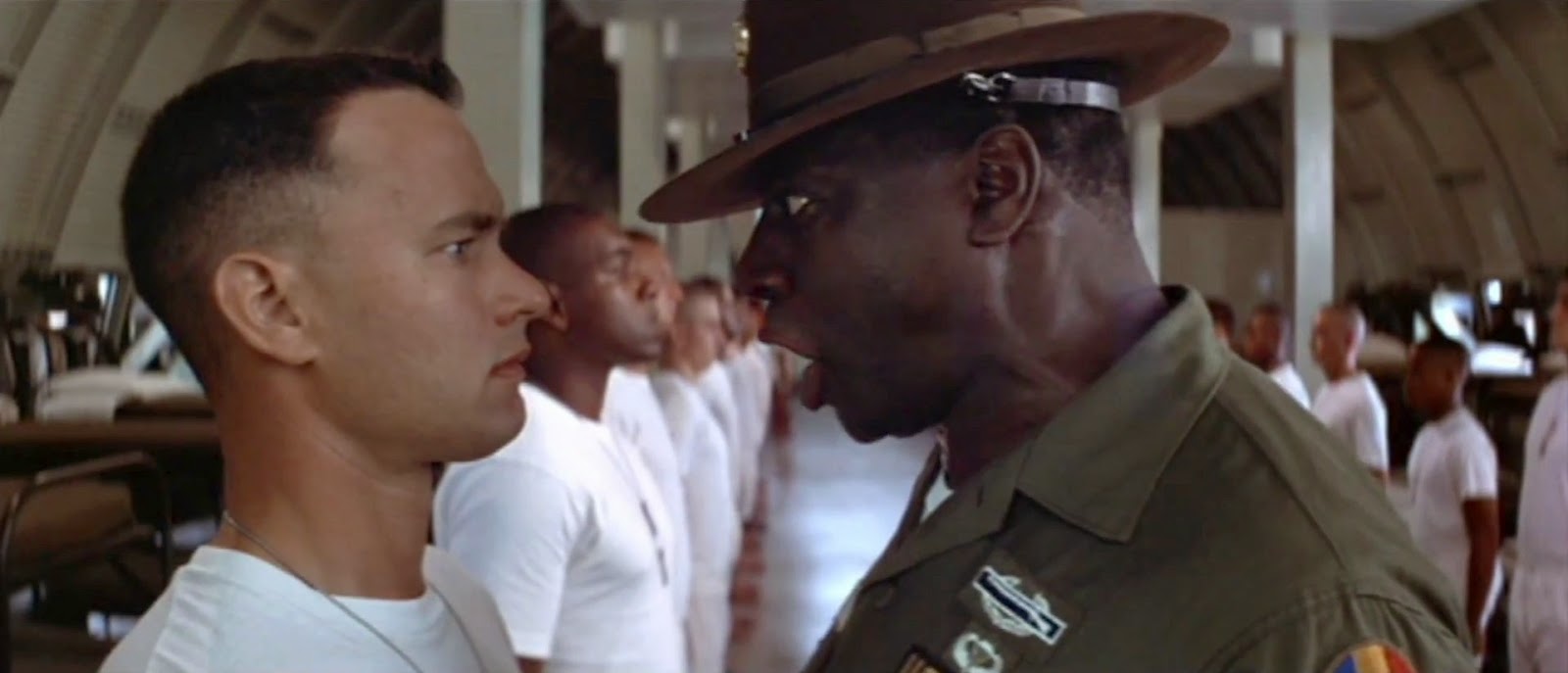
1990, when I was 14, was the first time I saw all of the nominees for Best Picture. I can’t say if I saw them all before the ceremony, but I made the effort to see them as soon as possible (Goodfellas had to wait until HBO, for sure). I loved Dances with Wolves that year, and Silence of the Lambs the next (HBO again, I read the book too), though I was rooting for JFK. Unforgiven was my favorite in 1992, a movie I saw multiple times, once in a drive-in even, on a double bill with Terminator 2. Schindler’s List I saw three times in the theatre, I was convinced that, as I kept hearing, it was indeed the greatest movie ever made. The Oscars, as long as I could remember, were for big movies, important movies, great movies. And then, in 1994, the year I started college, Forrest Gump beat Pulp Fiction and the Academy Awards, or at least, my relation to them, have never been the same.


I’ve often referred to 1994 as Year Zero for cinephiles of my generation. Growing up in the hinterlands, a world of chain video stores and zero repertory film, our exposure to the films of the past, especially foreign and art films, was severely limited. Every video store had a foreign film section, of course, but those usually consisted of a few Kurosawa epics and a handful of Gerard Depardieu spectacles. The classic film sections were better stocked, but without a reliable guide, no one knew where to begin. The film sections of the local bookstores mostly consisted of Leonard Maltin and his imitators, and when I was in college my friends and I would spend hours pouring through his guides along with the Video Hound Golden Movie Retriever (which rated everything on a scale of “Woof” to “Four Bones”). So we had a passing familiarity with Hitchcock, Welles, Scorsese, and the Best Picture Oscar winners, but not much else. But then Quentin Tarantino came along, bursting with big city video store knowledge, urging, demanding that the kids like us who loved his movies seek out in turn the films he loved. (An example, in June 1995 Tarantino presented Jackie Chan with the Lifetime Achievement MTV Movie Award, which was accompanied by a greatest hits reel of Chan stunts. I had never seen a Hong Kong movie, I’d never heard of Jackie Chan. But that award led to a wide US release for Rumble in the Bronx, so wide it even played Spokane. I saw that and the few other Chans I could find on video (dubbed, badly, of course), and when I moved to Seattle, I dived headfirst into Hong Kong cinema, an obsession that has yet to subside.)  Reservoir Dogs, True Romance and Pulp Fiction (the first two I watched back to back one weekend afternoon, after my friends learned I’d never seen a Tarantino film; I had heard he’d won the Palme d’Or, but didn’t know he’d made any other movies) demanded we familiarize ourselves with their influences: film noir, Howard Hawks, Jean-Luc Godard (one of our favorite pass-times was driving around to all the video stores in town looking for a copy of Breathless. After years of searching, when finally found it for a $10 rental at a short-lived Jazz record store downtown). Movies with Christopher Walken and John Travolta and Harvey Keitel. We sought them all out, and each new discovery led to three more must-see films. Around the same time, Turner Classic Movies launched, opening a whole new front in the war on limited distribution. I’d always been a movie fan, going to the theatre was the one thing my mom, my sister and I ever did as a family, but 1994 was the year I became a cinephile, and Pulp Fiction was the spark.

And then it lost Best Picture to Forrest Gump. A fine movie, sure, one we’d all liked when it came out that summer. But it looked positively ⃞  next to Pulp Fiction. The divide was cultural, political, generational. That was their movie and this was ours, and we’d been robbed. The pattern continued, year after year: our favorites always just losing to something bigger, blander, more mainstream. I don’t know if that was new, I suspect it wasn’t, but it seemed like a new development. Like there really was a generational war at play in Hollywood, between the old guard of respectable spectacle and a new wave of independent, Alternative to use the word of the times, cinema. The consensus of the 1980s, where every couple of years it seemed everyone agreed that the Best Picture really was The Best, and would therefore reward it with a multi-Oscar sweep, were gone. But it would take a few years for this split to play itself out, the big sweeps would continue for the rest of the 90s, though the rhetoric around the Oscars and their wrongness would grow with each middlebrow choice.

Here are the Best Picture winners from 1980-1993, along with their total number of Oscars won:

1980: Ordinary People – 4
1981: Chariots of Fire – 4
1982: Ghandi – 8
1983: Terms of Endearment – 5
1984: Amadeus – 8
1985: Out of Africa – 7
1986: Platoon – 4
1987: The Last Emperor – 9
1988: Rain Man – 4
1989: Driving Miss Daisy – 4
1990: Dances with Wolves – 7
1991: Silence of the Lambs – 5
1992: Unforgiven – 4
1993: Schindler’s List – 7

That’s an average of 5.7 Oscars per winner, with 6 films out of 14 winning 7 or more awards. The average would actually go up over the next 10 years, with 4 big sweeps leading to 6.9 Oscars per winner:

1994: Forrest Gump – 6
1995: Braveheart – 5
1996: The English Patient – 9
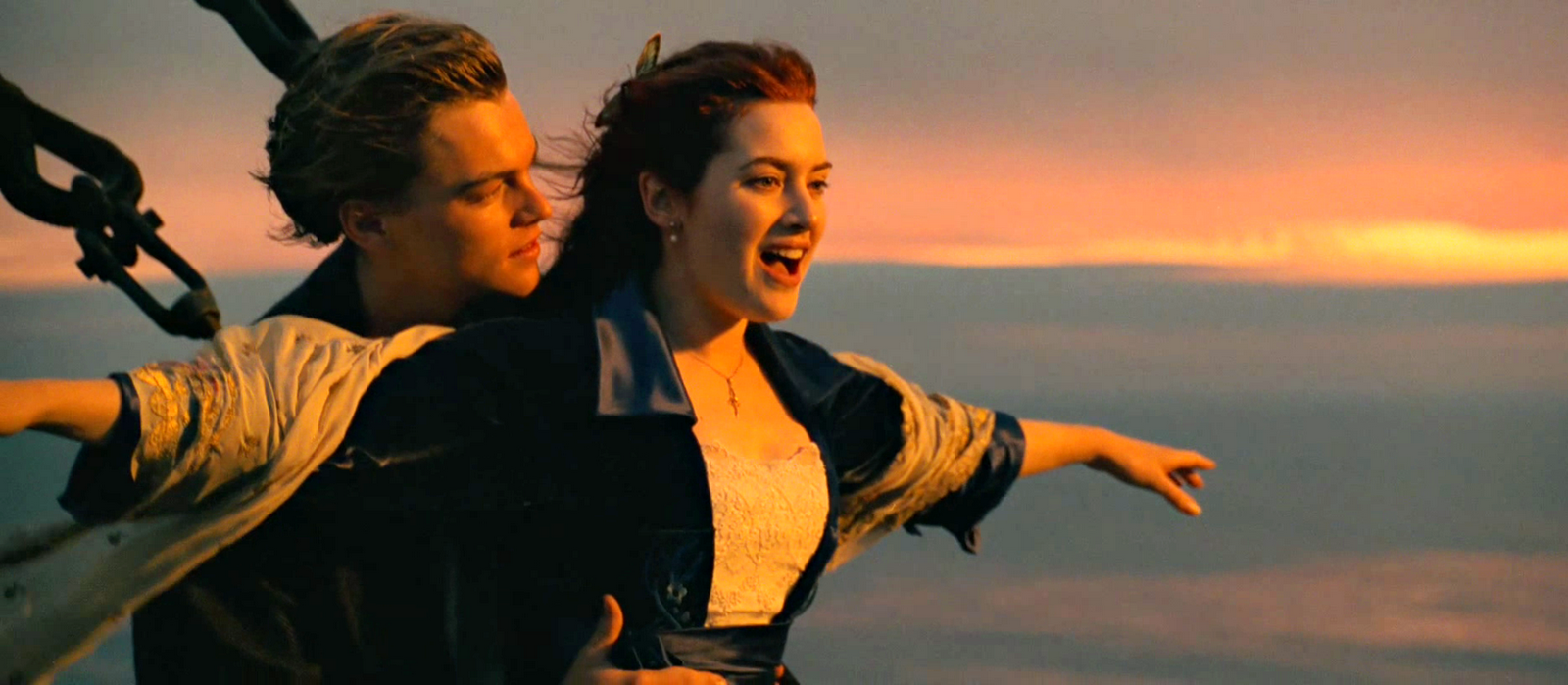
1997: Titanic – 11
1998: Shakespeare in Love – 7
1999: American Beauty – 5
2000: Gladiator – 5
2001: A Beautiful Mind – 4
2002: Chicago – 6
2003: Return of the King – 11

But that was the last time there was any real consensus, and one could argue the Return of the King number is a fluke, driven by three years of wonder at Peter Jackson’s epic trilogy. The next 11 years show a striking break with tradition, with an average of only 4.3 Oscars per Best Picture winner:

2004: Million Dollar Baby – 4
2005: Crash – 3
2006: The Departed – 4
2007: No Country for Old Men – 4
2008: Slumdog Millionaire – 8
2009: The Hurt Locker – 6
2010: The King’s Speech – 4
2011: The Artist – 5
2012: Argo – 3
2013: 12 Years a Slave – 3
2014: Birdman – 4

There are any number of possible explanations for this trend, most probable simply being the increasing split between blockbuster “entertainment” films that dominate the technical categories while low-budget (in)dependent films, driven by strong acting, directing and writing, dominate the more prestigious awards, making a 7 Oscar win relatively rare (in order to reach that number, a film has to do well in either the effects or design categories, areas which favor big-budget spectacle). But is there in fact some more ideological, something like my (perceived) generational split at work?

Oscar season has increasingly come to be defined as a race, with the contenders and dark horses defined long before any of the films in question have been seen, and then adjusted up and down the odds tables throughout the fall festival season and into the end-of-the-year awards deluge, with critics’ groups routinely seen as mere precursors to the main events, and therefore their relevance defined by their relation to the established narrative (thus the cries of anguish from the awards bloggers when the National Society of Film Critics awarded Adieu au langage their Best Picture this past year: the Godard film wasn’t part of the defined race, and therefore the group was marginalizing themselves by choosing to acknowledge its existence, a decision that could only be made by obstinate refusal to play the game by the rules, or, in other words, snobbery). The Race is good for business: people like gossip and they like competition, awards commentary provides both in spades. Driven in no small part from the ad revenue from studio’s Oscar campaigns (the ubiquitous FYC ads you see on every major film site during voting season), there’s a vested interest in heightening the controversy, in making a compelling story out of a bunch of people getting together and voting on their favorite movies of the year.

The awards season is now a narrative-driven event, and the simplest narratives put two things in opposition to each other, thus most years, the Oscar race seems to come down to two films, and everyone is encouraged to align themselves with one camp or another. These are the years 1994-2003 of the Best Picture race, the years of heavy consensus, with the winner and the runner-up listed. Note that some years there wasn’t a clear runner-up, in which case I’ve picked the film that seemed like the #2 to me at the time. I could have been wrong. We’ll never know for sure as the Academy doesn’t release voting results.

Year Oscar Winner Runner-Up
1994 Forrest Gump Pulp Fiction
1995 Braveheart Sense & Sensibility
1996 The English Patient Fargo
1997 Titanic LA Confidential
1998 Shakespeare in Love Saving Private Ryan
1999 American Beauty The Insider
2000 Gladiator Crouching Tiger, Hidden Dragon
2001 A Beautiful Mind The Fellowship of the Ring
2002 Chicago The Pianist
2003 Return of the King Master and Commander
It looks to me like in most of these years, the race has been defined by a choice between one traditional Hollywood film and one “edgy” independent. Love stories are pitted against violent dramas, serious melodramas against genre fare, big-budget spectacle against intimate character stories. One could debate the details, but it looks to me like in every year but (possibly) one from 1994 until 2003, the Academy chose the more traditionally appealing film at the expense of the artier, hipper movie. The outlier is 1995, but I’d argue that Ang Lee’s Jane Austen film is much more modern than Mel Gibson’s war epic, though obviously far less violent. Anyway, a reasonable case could be made that the runner-up that year was actually Apollo 13, which is the most traditional of the three, but I think it and Braveheart appealed to the same core audience and was thus unlikely to have been the second-place finisher. Regardless, even with that one outlier, the trend is fairly clear. (A personal note that not every one of the winners this year was my least favorite, I would have made the same choice in three of these years (96, 97 and 98) and am fairly ambivalent about a fourth (2003)).
Now let’s look at the same chart for 2004-2014:

Year Oscar Winner Runner-Up
2004 Million Dollar Baby The Aviator
2005 Crash Brokeback Mountain
2006 The Departed Little Miss Sunshine
2007 No Country for Old Men There Will Be Blood
2008 Slumdog Millionaire The Curious Case of Benjamin Button
2009 The Hurt Locker Avatar
2010 The King’s Speech The Social Network
2011 The Artist The Tree of Life
2012 Argo Lincoln
2013 12 Years a Slave Gravity
2014 Birdman Boyhood
Here we have chaos. The “edgy” film wins in 2004, 2006-09 and 2013-14, while the more traditionally appealing film wins in 2005 and 2010-12. Though the distinctions between camps are harder than ever to define. Take this past year for example. Boyhood was the consensus critics choice, which would lead one to assume it was the “artier” movie. But its style, aside from the unique method of production, is resolutely traditional, a coming of age story/family drama of the type that has broad mainstream appeal. Birdman, on the other hand, declares itself Edgy with an ostentatious pseudeo-single-take visual style, jarring tonal swings and a deeply cynical screenplay. It is most certainly a film descended from Pulp Fiction (though, I’d argue, one that learned all the wrong lessons from its forebears, but that’s not relevant here). If there is a generational war at play within the Academy, this is what one would expect the Oscar results to look like: pendulum swings back and forth, with neither side gaining enough momentum to push the consensus in one unified direction. Thus we have the significantly lower average totals of wins by Best Picture winners. Whether that represents an actual conflict or one manufactured by journalists pushing a story, I can’t say: the two feed off themselves in such a way that one can only expect further polarization and less consensus as time goes on, absent structural change of some kind.
Looking at these lists, I can’t help but compare them to my own personal award winners. Here’s the full chart for 1994-2014, with the Best Picture Endys added into the mix:

Year Oscar Winner Runner-Up Endy Winner
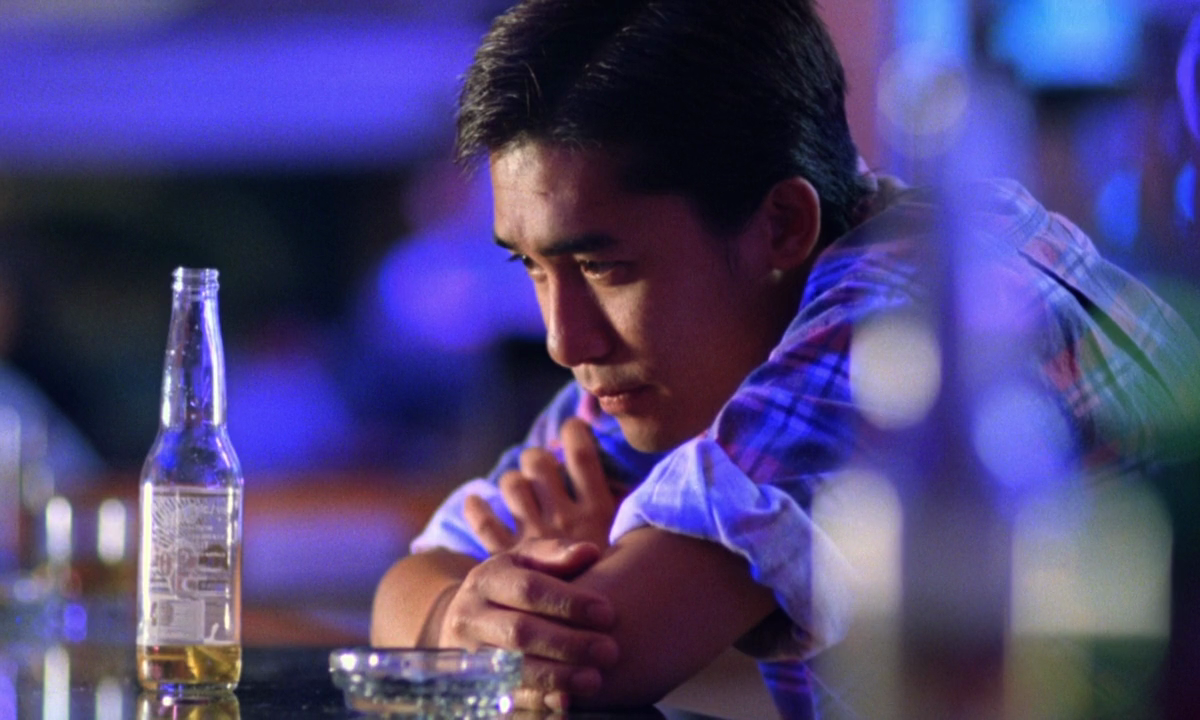
1994 Forrest Gump Pulp Fiction Chungking Express
1995 Braveheart Sense & Sensibility Dead Man
1996 The English Patient Fargo Comrades, Almost a Love Story
1997 Titanic LA Confidential Boogie Nights
1998 Shakespeare in Love Saving Private Ryan The Big Lebowski
1999 American Beauty The Insider Beau travail
2000 Gladiator Crouching Tiger, Hidden Dragon La Commune (Paris 1871)
2001 A Beautiful Mind The Fellowship of the Ring Millennium Mambo
2002 Chicago The Pianist Punch-Drunk Love
2003 Return of the King Master and Commander Running on Karma
2004 Million Dollar Baby The Aviator Tropical Malady
2005 Crash Brokeback Mountain The New World
2006 The Departed Little Miss Sunshine The Wind that Shakes the Barley
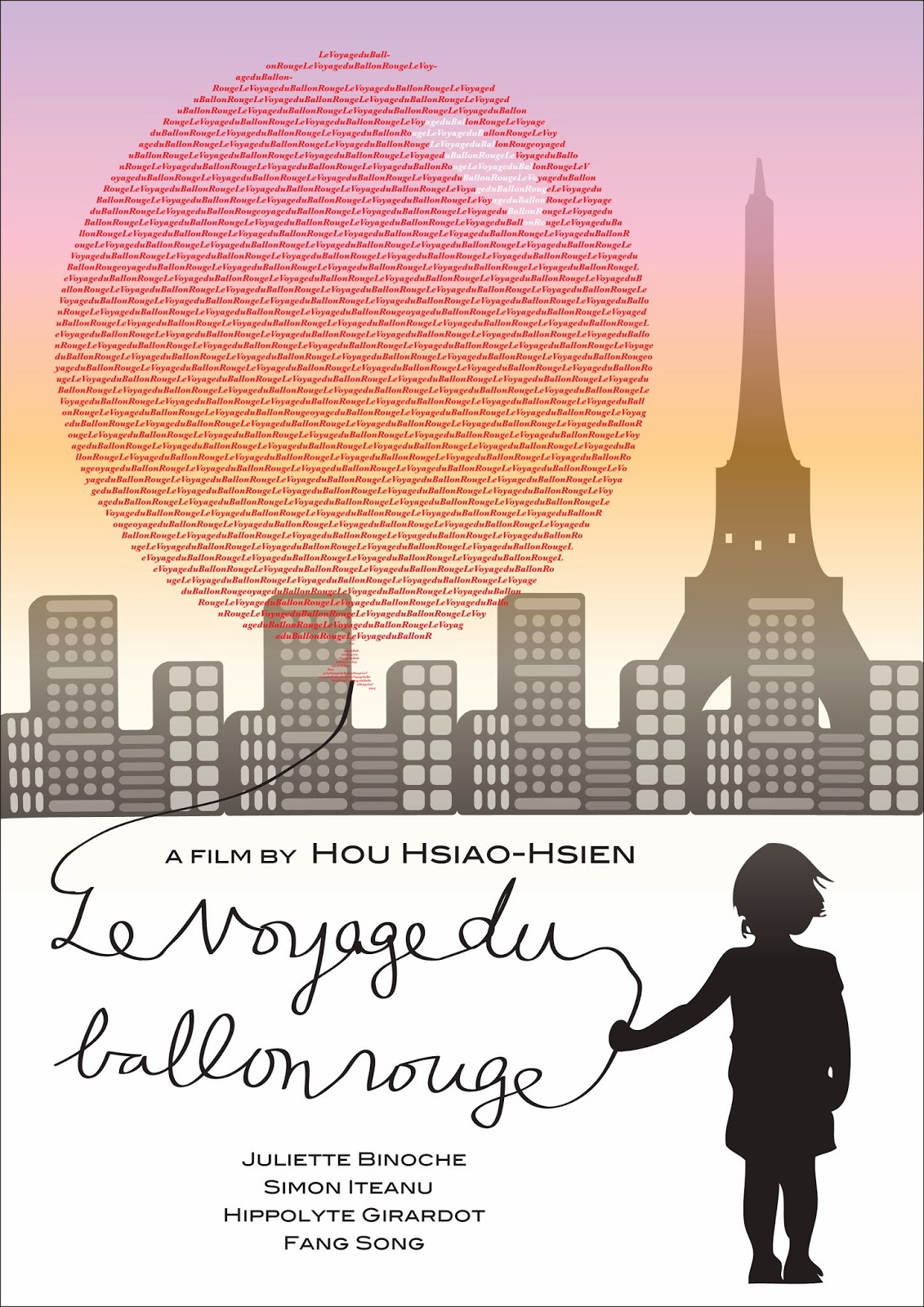
2007 No Country for Old Men There Will Be Blood Flight of the Red Balloon
2008 Slumdog Millionaire The Curious Case of Benjamin Button Sparrow
2009 The Hurt Locker Avatar Oxhide II
2010 The King’s Speech The Social Network Oki’s Movie
2011 The Artist The Tree of Life The Tree of Life
2012 Argo Lincoln Moonrise Kingdom
2013 12 Years a Slave Gravity La última película
2014 Birdman Boyhood The Midnight After

A few obvious things jump out. Only in one case does my winner match one of the top two Oscar films (though Pulp Fiction is my #2 film of 1994). As they should in comparing a consensus vote to an individual one, my choices are personal and idiosyncratic. This will happen when you compare anyone’s picks to that of a large body: the larger the voting pool, the less unique the winner. My particular idiosyncrasy appears in two forms on this list. Most obvious is the large number of Asian films, 9 out of 21, from China, Hong Kong, South Korea, Thailand and Taiwan (and a 10th that’s a French film made by a Taiwanese director). But also apparent, and more important, are the large number of films that never received wide distribution in the United States (that Asian films are less likely to receive US distribution than comparable European films is a (debatable) issue for another time). Only 10 of my 21 winners had even a reasonably-sized art house run in American theatres, a few have never even qualified for major critics awards, almost all of which tie their eligibility rules to week-long theatrical runs in New York City. Instead I’ve had to seek these films out at festivals or on imported video, bypassing the establishment distribution channels entirely. Critics groups can’t and won’t do this because they are inextricably tied into the distribution system: they depend on studios for screeners and local theatrical audiences for readership.

This raises the question of the purpose of awards. Is it to raise awareness of excellence in motion pictures, to record for posterity the movies we think are great, the ones we recommend viewers of the future to seek out? Or is it a matter of marketing? Do awards matter because, as we hear every year as a justification for the countless words printed on the subject, an Oscar win significantly increases a film’s total gross, in theatrical revenue and on video, for years and decades to come? One may as well ask what is the function of film criticism: to guide the prospective viewer into places they might not go on their own, or to confirm for them what they already believe? If a critic is a guide, then it doesn’t matter whether a film they recommend is immediately available or not: it’s their job to instill the desire to seek in the audience. I think most critics would aspire to that ideal, see for example the flabbergasted responses to this week’s New York Times column lambasting the Oscars for failing to be relevant because they didn’t give awards to the highest-grossing films. Of course, the idea is absurd on its face, but the critical response is telling: to them, the Oscars, in choosing Birdman are not only not elitist, but are resolutely middle of the road. To the critical community, Birdman‘s win is a sign of the Academy’s bowing to the mainstream, of a failure to be sufficiently elite. (I’m speaking in general terms here: there is no “critical community”, there is instead a collection of individuals who disagree with each other as a matter of principle, that is part of their charm. This is, however, the reaction as I understand it in a broad sense).

Why then should critics, critics who travel the festival circuit year-round, who make yearly pilgrimages to Sundance, Locarno, Cannes, Toronto, New York, Vancouver, Berlin, Austin, Venice, Vienna and more, tie themselves to an awards model that narrowly defines what counts as a film in any given year. If awards are a snapshot, preserving the consensus thoughts about cinema at a given time for the sake of posterity, a report from a group of passionate lovers of film about what they believe is great in the present moment, then why should they define that snapshot by the parameters of an industry that views their efforts only in the crudest terms? Should critics not be in opposition to the forces that drive the awards industry, that attempt to limit what we can see? Strong reviews at film festivals can and have led to otherwise invisible films being picked up for US release by adventurous distributors, why does that noble mission stop when awards season begins? The awards bloggers want to limit our conversation to a simple narrative, they want a few, clearly defined poles: good and bad, liberal and conservative, traditional and arty, edgy and populist. The major distributors want to limit our conversation to the films they own and make available to the public: criticism is advertising, no more, no less. We shouldn’t let them. We can’t let every year come down to Forrest Gump vs. Pulp Fiction, that’s not how cinema works and it’s not how history will remember it. It has to be about Forrest Gump and Pulp Fiction and Chungking Express (a film many of us only saw because Quentin Tarantino forced Harvey Weinstein to release it uncut and in its original language, something Weinstein is loathe to do with his Hong Kong properties to this day), not to mention Sátántangó and Ed Wood and Pom Poko and Exotica and The Shawshank Redemption and He’s a Woman, She’s a Man and Three Colors: Red and Drunken Master II and I Can’t Sleep and Hoop Dreams and Clerks and Speed and In the Mouth of Madness and and and.


2005 Endy Awards

These are the 2005 Endy Awards, wherein I pretend to give out maneki-neko statues to the best in that year in film. Awards for many other years can be found in the Rankings & Awards Index. Eligibility is determined by imdb date and by whether or not I’ve seen the movie in question. Nominees are listed in alphabetical order and the winners are bolded. And the Endy goes to. . .


Best Picture:

1. Dave Chappelle’s Block Party
2. Election
3. A History of Violence
4. Linda Linda Linda
5. The New World
6. Oxhide
7. Princess Raccoon
8. Revenge of the Sith
9. Tale of Cinema
10. Three Times

Best Director:

1. Nobuhiro Yamashita, Linda Linda Linda
2. Terrence Malick, The New World
3. Liu Jiayin, Oxhide
4. Seijun Suzuki, Princess Raccoon
5. Hou Hsiao-hsien, Three Times

Terrence Malick’s story of the discovery of America by Europeans, and of the discovery of Europeans by America is probably my favorite film of the 21st Century thus far.

Best Actor:

1. Lee Byung-hun, A Bittersweet Life
2. Heath Ledger, Brokeback Mountain
3. Simon Yam, Election
4. Viggo Mortensen, A History of Violence
5. Steve Coogan, Tristram Shandy

Best Actress:

1. Luminiţa Gheorghiu, The Death of Mr. Lazarescu
2. Bae Doona, Linda Linda Linda
3. Q’orianka Kilcher, The New World
4. Zhang Ziyi, Princess Raccoon
5. Shu Qi, Three Times

Supporting Actor:

1. Tony Leung Ka-fai, Election
2. Jacky Cheung, Perhaps Love
3. Ian McDiarmid, Revenge of the Sith
4. Mickey Rourke, Sin City
5. Jeff Daniels, The Squid & the Whale

Supporting Actress:

1. Michelle Williams, Brokeback Mountain
2. Maria Bello, A History of Violence
3. Yû Kashii, Linda Linda Linda
4. Aki Maeda, Linda Linda Linda
5. Uhm Ji-won, Tale of Cinema

Original Screenplay:

1. Kôsuke Mukai, Wakako Miyashita & Nobuhiro Yamashita, Linda Linda Linda
2. Terrence Malick, The New World
3. Liu Jiayin, Oxhide
4. Yoshio Urasawa, Princess Raccoon
5. Chu T’ien-wen & Hou Hsiao-hsien, Three Times

Adapted Screenplay:

1. Larry McMurtry & Diana Ossana, Brokeback Mountain
2. Josh Olson, A History of Violence
3. Shane Black, Kiss Kiss Bang Bang
4. Tony Kushner & Eric Roth, Munich
5. Frank Cottrell Boyce, Tristram Shandy

Not a fan of the Adapted Screenplay category this year. There were probably another four or five original screenplays I would have rather nominated than some of these. Still, Tristram Shandy made me laugh, so that’s good.

Non-English Language Film:

1. Election (Johnnie To)
2. Linda Linda Linda (Nobuhiro Yamashita)
3. Oxhide (Liu Jiayin)
4. Tale of Cinema (Hong Sangsoo)
5. Three Times (Hou Hsiao-hsien)

Documentary Film:

1. The Aristocrats (Paul Provenza)
2. Dave Chappelle’s Block Party (Michel Gondry)
3. Grizzly Man (Werner Herzog)
4. My Dad is 100 Years Old (Isabella Rossellini)
5. No Direction Home (Martin Scorsese)

I continue to believe that this is Michel Gondry’s best film.

Animated Film:

1. 9 (Shane Acker)
2. The Curse of the Were-Rabbit (Nick Park & Steve Box)
3. One Man Band (Mark Andrews & Andrew Jimenez)

Unseen Film:

1. L’enfant (The Dardennes)
2. Last Days (Gus Van Sant)
3. Pride & Prejudice (Joe Wright)
4. The Wayward Cloud (Tsai Ming-liang)

Film Editing:

1. Domino
2. Election
3. The New World
4. Revenge of the Sith
5. Three Times

Cinematography:

1. Domino
2. King Kong
3. The New World
4. Perhaps Love
5. Three Times

Art Direction:

1. King Kong
2. The New World
3. Princess Raccoon
4. Seven Swords
5. Three Times

Seijun Suzuki’s musical is one of the weirdest films of the decade, and its stage is essential to its charm.

Costume Design:

1. Kingdom of Heaven
2. Munich
3. The New World
4. Princess Raccoon
5. Seven Swords

Make-up:

1. Domino
2. Kingdom of Heaven
3. Revenge of the Sith
4. Seven Swords
5. Sin City

Original Score:

1. Brokeback Mountain
2. Linda Linda Linda
3. Perhaps Love
4. Princess Raccoon
5. Revenge of the Sith

Giving the nod to Perhaps Love‘s array of musical styles (big Broadway tunes, operetta-style monologues, pop ballads) over Princess Raccoon‘s folk eclecticism and Brokeback Mountain‘s groovy guitar.

Adapted Score:

1. Dave Chappelle’s Block Party
2. Linda Linda Linda
3. The New World
4. No Direction Home
5. Walk the Line

Japanese punk over Dylan, Wagner, Johnny Cash, and one awesome concert.

Sound:

1. Domino
2. The New World
3. Perhaps Love
4. Three Times
5. The War of the Worlds

Sound Editing:

1. Domino
2. King Kong
3. Revenge of the Sith
4. Serenity
5. The War of the Worlds

Visual Effects:

1. Himalaya Singh
2. King Kong
3. Revenge of the Sith
4. Serenity
5. The War of the Worlds

True story: when I was watching King Kong, the Empire State Building sequence, which I knew was totally fake, all special effects, was dizzying enough that it gave me an attack of vertigo and I had to watch the rest of the film lying on the floor. That’s what the Endys are all about.

2006 Endy Awards

These are the 2006 Endy Awards, wherein I pretend to give out maneki-neko statues to the best in that year in film. Awards for many other years can be found in the Ranking & Awards Index. Eligibility is determined by imdb date and by whether or not I’ve seen the movie in question. Nominees are listed in alphabetical order and the winners are bolded. And the Endy goes to. . .

Best Picture:

1. Déjà Vu
2. The Departed
3. Election 2
4. Exiled
5. I Don’t Want to Sleep Alone
6. Miami Vice
7. Still Life
8. Syndromes and a Century
9. The Wind that Shakes the Barley
10. Private Fears in Public Places

A bit of an upset from this Johnnie To fan, but I have always been a huge fan of Ken Loach’s Cannes-winning IRA epic and remain so almost a decade later.

Best Director:

1. Johnnie To, Exiled
2. Michael Mann, Miami Vice
3. Jia Zhangke, Still Life
4. Apichatpong Weerasethakul, Syndromes and a Century
5. Ken Loach, The Wind that Shakes the Barley

To gets the make-up award here, with one of his best films of the decade. He just edges out Apichatpong Weerasethakul, who will narrowly best him for this award in 2004.

Best Actor:

1. Aaron Kwok, After This Our Exile
2. Michel Piccoli, Belle toujours
4. Jason Statham, Crank
3. Denzel Washington, Déjà vu
5. Cillian Murphy, The Wind that Shakes the Barley

Best Actress:

1. Ebru Ceylan, Climates
2. Laura Dern, Inland Empire
3. Isabella Leong, Isabella
4. Kirsten Dunst, Marie Antoinette
5. Go Hyun-jung, Woman on the Beach

Supporting Actor:

1. Jack Nicholson, The Departed
2. Anthony Wong, Exiled
3. Adam Beach, Flags of Our Fathers
4. John Ortiz, Miami Vice
5. Pádraic Delaney, The Wind that Shakes the Barley

Supporting Actress:

1. Vera Farmiga, The Departed
2. Gong Li, Miami Vice
3. Margo Martindale, Paris je t’aime
4. Zhao Wei, The Postmodern Life of My Aunt
5. Lindsay Lohan, A Prairie Home Companion

Some may say Nicholson’s performance is too big, too hammy. I say the more the merrier.

Original Screenplay:

1. Szeto Kam-Yuen & Yip Tin-Shing, Exiled
2. Tsai Ming-liang, I Don’t Want to Sleep Alone
3. Wai Ka-fai & Au Kin-yee, The Shopaholics
4. Apichatpoing Weereasethakul, Syndromes and a Century
5. Paul Laverty, The Wind that Shakes the Barley

Adapted Screenplay:

1. William Monahan, The Departed
2. Yau Nai-hoi & Yip Tin-shing, Election 2
3. Garrison Keillor, A Prairie Home Companion
4. Jean-Michel Ribes, Private Fears in Public Places
5. Richard Linklater, A Scanner Darkly

Non-English Language Film:

1. Election 2
2. Exiled
3. Isabella
4. Still Life
5. Syndromes and a Century

Documentary Film:

1. This Film is Not Yet Rated
2. Wordplay

Animated Film:

1. Cars
2. The Girl Who Leapt Through Time
3. Paprika
4. A Scanner Darkly

This was a tough category, as three of these films are really good. In the end, Satoshi Kon and Mamoru Hosada split the anime vote and Richard Linklater’s rotoscoped Philip K. Dick adaptation sneaks away with the win.

Unseen Film:

1. Black Book (Paul Veerhoeven)
2. Fireworks Wednesday (Asghar Farhadi)
3. I’m a Cyborg, but That’s OK (Park Chan-wook)
4. Old Joy (Kelly Reichardt)
5. Volver (Pedro Almodovar)

As rough as this year seems, there really isn’t a whole lot out there I feel I need to see.

Film Editing:

1. The Departed
2. Crank
3. Exiled
4. Miami Vice
5. Syndromes and a Century

Cinematography:

1. Climates
3. Marie Antoinette
4. Miami Vice
2. Syndromes and a Century
5. The Wind that Shakes the Barley

A watershed year for the digital camera, with Climates and Vice pushing it to its limits.

Art Direction:

1. The Fall
2. Marie Antoinette
3. Pan’s Labyrinth
4. Syndromes and a Century
5. The Wind that Shakes the Barley

Costume Design:

1. Curse of the Golden Flower
2. The Fall
3. Marie Antoinette
4. Pirates of the Caribbean: Dead Man’s Chest
5. The Wind that Shakes the Barley

Make-up:

1. Election 2
2. Exiled
3. Marie Antoinette
4. Pan’s Labyrinth
5. Pirates of the Caribbean: Dead Man’s Chest

Original Score:

1. Exiled
2. Isabella
3. Once
4. A Scanner Darkly
5. The Wind that Shakes the Barley

Adapted Score:

1. The Departed
2. Marie Antoinette
3. Miami Vice
4. A Prairie Home Companion
5. Southland Tales

I wish I liked Marie Antoinette more than I do. I dig Coppola’s music though.

Sound:

1. The Departed
2. Exiled
3. Inland Empire
4. Miami Vice
5. Syndromes and a Century

Sound Editing:

1. The Departed
2. Exiled
3. Letters from Iwo Jima
4. Miami Vice
5. Pirates of the Caribbean: Dead Man’s Chest

Visual Effects:

1. Deja vu
2. The Host
3. Pan’s Labyrinth
4. Pirates of the Caribbean: Dead Man’s Chest
5. Superman Returns

2007 Endy Awards

These are the 2007 Endy Awards, wherein I pretend to give out maneki-neko statues to the best in that year in film. Awards for many other years can be found in the Rankings & Awards Index. Eligibility is determined by imdb date and by whether or not I’ve seen the movie in question. Nominees are listed in alphabetical order and the winners are bolded. And the Endy goes to. . .


Best Picture:

1. 5 Centimeters per Second
2. Flight of the Red Balloon
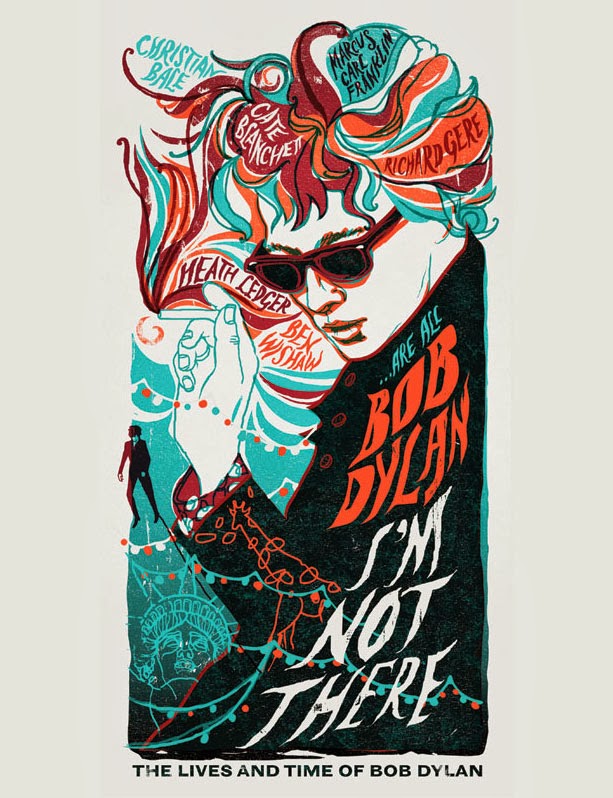
3. I’m Not There
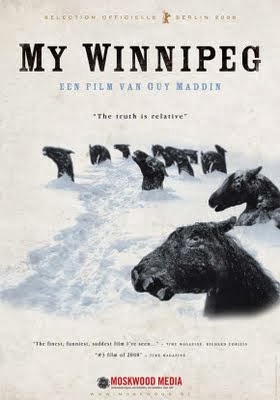
4. My Winnipeg
5. No Country for Old Men
6. Ratatouille
7. The Romance of Astrea and Celadon
8. The Sun Also Rises
9. There Will Be Blood
10. The Trap: What Happened to Our Dream of Freedom

Best Director:

1. Makoto Shinkai, 5 Centimeters per Second
2. Hou Hsiao-hsien, Flight of the Red Balloon
3. Todd Haynes, I’m Not There
4. Guy Maddin, My Winnipeg
5. Paul Thomas Anderson, There Will Be Blood

Best Actor:

1. Mathieu Amalric, The Diving Bell & the Butterfly
2. Alejandro Polanco, Chop Shop
3. Lau Ching-wan, Mad Detective
4. Josh Brolin, No Country for Old Men
5. Daniel Day-Lewis, There Will Be Blood

Best Actress:

1. Anamaria Marinca, 4 Months, 3 Weeks, 2 Days
2. Asia Argento, Boarding Gate
3. Juliette Binoche, Flight of the Red Balloon
4. Tang Wei, Lust, Caution
5. Nicole Kidman, Margot at the Wedding

Supporting Actor:

1. Kurt Russell, Grindhouse
2. Ben Whishaw, I’m Not There
3. Marcus Carl Franklin, I’m Not There
4. Javier Bardem, No Country for Old Men
5. Tommy Lee Jones, No Country for Old Men

Supporting Actress:

1. Marie-Josée Croze, The Diving Bell & the Butterfly
2. Song Fang, Flight of the Red Balloon
3. Cate Blanchett, I’m Not There
4. Tilda Swinton, Michael Clayton
5. Rachel Weisz, My Blueberry Nights

Original Screenplay:

1. Makoto Shinkai, 5 Centimeters per Second
2. Hou Hsiao-hsien & François Margolin, Flight of the Red Balloon
3. Todd Haynes & Oren Moverman, I’m Not There
4. Wai Ka-fai & Au Kin-yee, Mad Detective
5. Guy Maddin & George Toles, My Winnipeg

Adapted Screenplay:

1. Joel & Ethan Coen, No Country for Old Men
2. Gus van Sant, Paranoid Park
3. Eric Rohmer, The Romance of Astrea and Celadon
4. Paul Thomas Anderson, There Will Be Blood
5. James Vanderbilt, Zodiac

Non-English Language Film:

1. 5 Centimeters per Second (Makoto Shinkai)
2. Flight of the Red Balloon (Hou Hsiao-hsien)
3. Mad Detective (Johnnie To & Wai Ka-fai)
4. The Romance of Astrea and Celadon (Eric Rohmer)
5. The Sun Also Rises (Jiang Wen)

Documentary Film:

1. Encounters at the End of the World (Werner Herzog)
2. Helvetica (Gary Hustwit)
3. The King of Kong (Seth Gordon)
4. My Winnipeg (Guy Maddin)
5. The Trap: What Happened to Our Dream of Freedom (Adam Curtis)

Animated Film:

1. 5 Centimeters per Second (Makoto Shinkai)
2. Beowulf (Robert Zemeckis)
3. Ratatouille (Brad Bird)
4. The Simpsons Movie (David Silverman)

Unseen Film:

1. The Duchess of Langeais (Jacques Rivette)
2. The Man from London (Bela Tarr & Ágnes Hranitzky)
3. Persepolis (Vincent Paronnaud & Marjane Satrapi)
4. Secret Sunshine (Lee Changdong)
5. We Own the Night (James Gray)

Film Editing:

1. I’m Not There
2. My Winnipeg
3. No Country for Old Men
4. There Will Be Blood
5. You, the Living

Cinematography:

1. Flight of the Red Balloon
2. My Blueberry Nights
3. The Sun Also Rises
4. There Will Be Blood
5. Zodiac

Art Direction:

1. The Darjeeling Limited
2. I’m Not There
3. The Romance of Astrea and Celadon
4. You, the Living
5. Zodiac

Costume Design:

1. I’m Not There
2. The Romance of Astrea and Celadon
3. There Will Be Blood
4. You, the Living
5. Zodiac

Make-up:

1. The Diving Bell and the Butterfly
2. Grindhouse
3. Mad Detective
4. Pirates of the Caribbean: At World’s End
5. Sukiyaki Western Django

Original Score:

1. Atonement
2. 5 Centimeters per Second
3. No Country for Old Men
4. Ratatouille
5. There Will Be Blood

Adapted Score:

1. The Darjeeling Limited
2. The Diving Bell & the Butterfly
3. I’m Not There
4. Paranoid Park
5. Sweeney Todd: The Demon Barber of Fleet Street

Sound:

1. Grindhouse
2. I’m Not There
3. No Country for Old Men
4. Ratatouille
5. There Will Be Blood

Sound Editing:

1. The Bourne Ultimatum
2. No Country for Old Men
3. Pirates of the Caribbean: At World’s End
4. Ratatouille
5. There Will Be Blood

Visual Effects:

1. Grindhouse
2. Pirates of the Caribbean: At World’s End
3. Resident Evil: Extinction
4. Transformers
5. Zodiac

b5-celadon

2008 Endy Awards

These are the 2008 Endy Awards, wherein I pretend to give out maneki-neko statues to the best in that year in film. I did one of these five years ago, but things have changed so this is the revision. Awards for many other years can be found in the Rankings & Awards Index. Eligibility is determined by imdb date and by whether or not I’ve seen the movie in question. Nominees are listed in alphabetical order and the winners are bolded. And the Endy goes to. . .

Best Picture:

1. 24 City
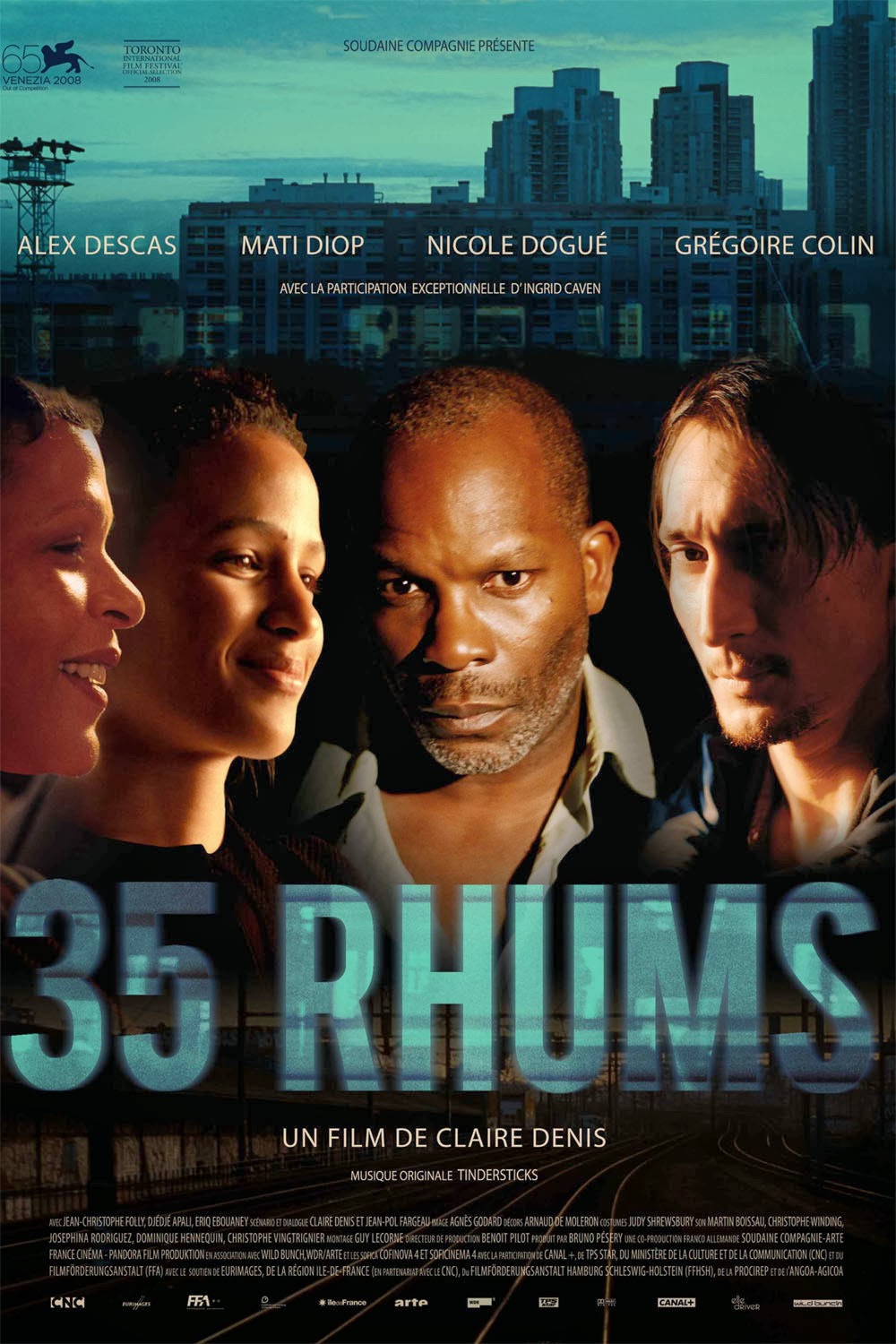
2. 35 Shots of Rum
3. Love Exposure
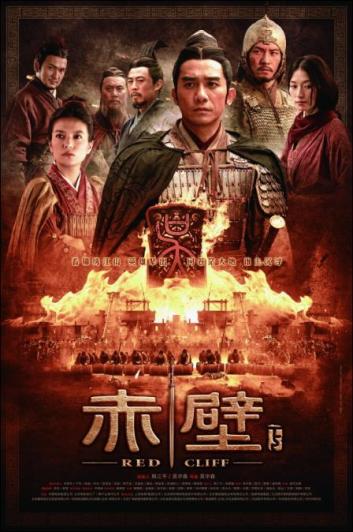
4. Red Cliff
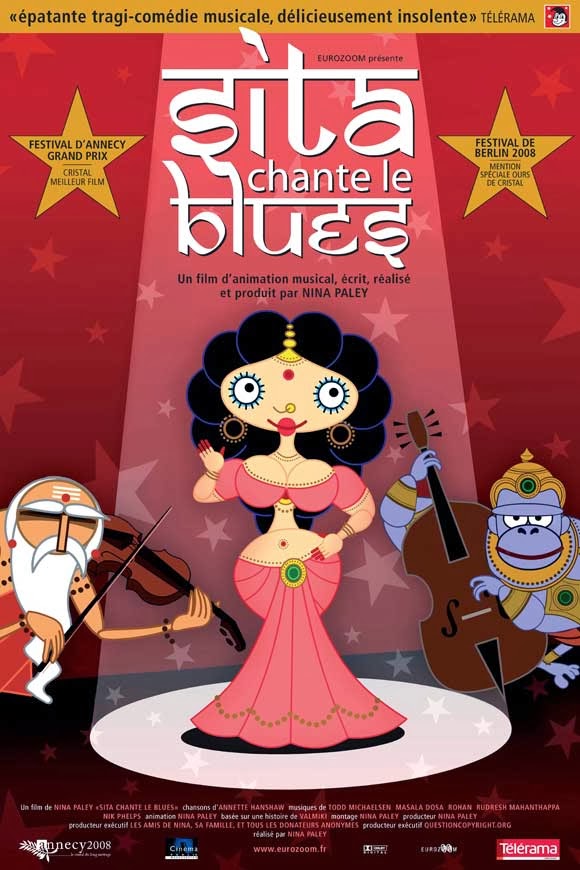
5. Sita Sings the Blues
6. Sparrow
7. Speed Racer
8. Tokyo Sonata
9. Two Lovers
10. WALL-E

Best Director:

1. Claire Denis, 35 Shots of Rum
2. Sion Sono, Love Exposure
3. John Woo, Red Cliff
4. Johnnie To, Sparrow
5. Lana and Lilly Wachowski, Speed Racer

Best Actor:

1. Alex Descas, 35 Shots of Rum
2. Benicio Del Toro, Che
3. Ge You, If You Are the One
4. Takahiro Nishijima, Love Exposure
5. Joaquin Phoenix, Two Lovers

Best Actress:

1. Zhou Xun, All About Women
2. Sally Hawkins, Happy Go Lucky
3. Anne Hathaway, Rachel Getting Married
4. Mati Diop, 35 Shots of Rum
5. Michelle Williams, Wendy and Lucy

Supporting Actor:

1. Mathieu Amalric, A Christmas Tale
2. Heath Ledger, The Dark Knight
3. Eddie Marsan, Happy Go Lucky
4. Bill Irwin, Rachel Getting Married
5. Robert Downey Jr, Tropic Thunder

Supporting Actress:

1. Anne Consigny, A Christmas Tale
2. Chiara Mastrioanni, A Christmas Tale
3. Sakura Ando, Love Exposure
4. Rosemarie DeWitt, Rachel Getting Married
5. Kirin Kiki, Still Walking


Original Screenplay:

1. Claire Denis & Jean-Pol Fargeau, 35 Shots of Rum
2. Sion Sono, Love Exposure
3. Hong Sangsoo, Night and Day
4. Chan Kin-chung, Fung Chih-chiang & the Milkyway Creative Team, Sparrow
5. Kiyoshi Kurosawa, Max Mannix & Sachiko Tanaka, Tokyo Sonata

Adapted Screenplay:

1. Peter Buchman and Benjamen van der Veen, Che
2. Arnaud Desplechin & Emmanuel Bourdieu, A Christmas Tale
3. Holly Gent Palmo & Vincent Palmo Jr., Me and Orson Welles
4. Nina Paley, Sita Sings the Blues
5. James Gray & Ric Menello, Two Lovers

Non-English Language Film:

1. 24 City (Jia Zhangke)
2. 35 Shots of Rum (Claire Denis)
3. Love Exposure (Sion Sono)
4. Red Cliff (John Woo)
5. Sparrow (Johnnie To)

Short Film:

1. Dr. Horrible’s Sing-Along Blog (Joss Whedon)

Documentary Film:

1. 24 City (Jia Zhangke)
2. The Beaches of Agnes (Agnes Varda)
3. Of Time and the City (Terence Davies)
4. Rembrandt’s J’accuse (Peter Greenaway)
5. Waltz with Bashir (Ari Folman)

Animated Film:

1. Ponyo on the Cliff By the Sea (Hayao Miyazaki)
2. Sita Sings the Blues (Nina Paley)
3. WALL-E (Andrew Stanton)
4. Waltz with Bashir (Ari Folman)

Unseen Film:

1. The Curious Case of Benjamin Button (David Fincher)
2. JCVD (Mabrouk El Mechri)
3. Shirin (Abbas Kiarostami)


Film Editing:

1. A Christmas Tale
2. The Hurt Locker
3. Love Exposure
4. Sparrow
5. Speed Racer

Cinematography:

1. 35 Shots of Rum
2. A Christmas Tale
3. Love Exposure
4. Speed Racer
5. Summer Hours

Art Direction:

1. A Christmas Tale
2. Red Cliff
3. Speed Racer
4. Summer Hours
5. WALL-E

Costume Design:

1. Dr. Horrible’s Sing-along Blog
2. Love Exposure
3. Miss Pettigrew Lives for a Day
4. Red Cliff
5. Speed Racer

Make-up:

1. Cloverfield
2. The Dark Knight
3. Hellboy II: The Golden Army
4. Red Cliff
5. Speed Racer

b5-loveexposure-b

Original Score:

1. Dr. Horrible’s Sing-along Blog
2. Slumdog Millionaire
3. Sparrow
4. 35 Shots of Rum
5. WALL-E

Adapted Score:

1. Love Exposure
2. Pineapple Express
3. Rachel Getting Married
4. Sita Sings The Blues
5. Slumdog Millionaire

Sound:

1. Cloverfield
2. The Hurt Locker
3. Love Exposure
4. Speed Racer
5. WALL-E

Sound Editing:

1. Cloverfield
2. Hellboy II
3. The Hurt Locker
4. Speed Racer
5. WALL-E

Visual Effects:

1. Cloverfield
2. Red Cliff
3. Hellboy II
4. Speed Racer
5. Synecdoche, New York

red-cliff-2009-1


2013 Endy Awards

These are the 2013 Endy Awards, wherein I pretend to give out maneki-neko statues to the best in the past year in film. You can also check out the special Oscar episode of The George Sanders Show, discussing a couple of former Best Picture winners in addition to award-giving and predicting, as well as the big end of the year double episode of They Shot Pictures. Awards for many other years can be found in the Rankings & Awards Index. Eligibility is determined by imdb date and by whether or not I’ve seen the movie in question. Nominees are listed in alphabetical order and the winners are bolded. And the Endy goes to. . .
Best Picture:

1. Blind Detective
2. Computer Chess
3. Journey to the West: Conquering the Demons
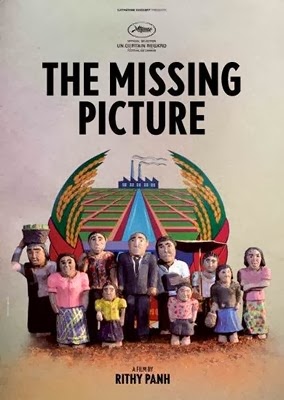
4. The Missing Picture
5. Only Lovers Left Alive
6. Stray Dogs
7. The Tale of the Princess Kaguya
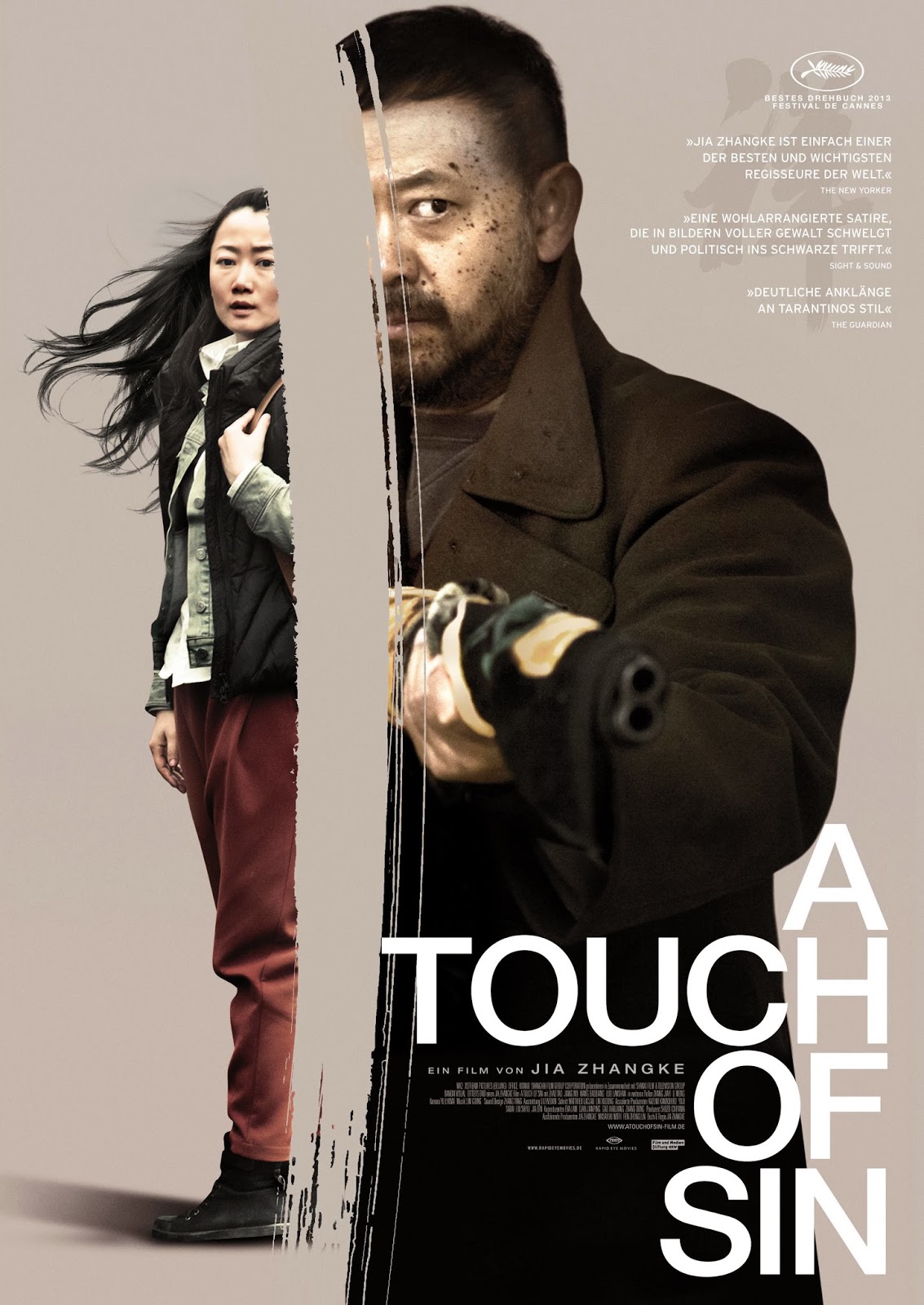
8. A Touch of Sin
9. La última película
10. The Wind Rises

Best Director:

1. Johnnie To, Blind Detective
2. Rithy Panh, The Missing Picture
3. Isao Takahata, The Tale of the Princess Kaguya
4. Jia Zhangke, A Touch of Sin
5. Raya Martin & Mark Peranson, La última película
I’m going with Jia Zhangke, who seamlessly blended his long-take, not quite realist visual style into wuxia genre traditions while retaining, amplifying even, the sense of social and political outrage.

Best Actor:

1. Robert Redford, All is Lost
2. Andy Lau, Blind Detective
3. Leonardo DiCaprio, The Wolf of Wall Street
4. Lee Kang-sheng, Stray Dogs
5. Simon Pegg, The World’s End

Leo’s performance in Wolf is the best work he’s ever done. I’d say the same for Lee Kang-sheng and Simon Pegg as well. Tough to leave out James Gandolfini in Enough Said, but this is a strong category this year.

Best Actress:

1. Adèle Exarchopoulos, Blue is the Warmest Color
2. Zhang Ziyi, The Grandmaster
3. Marion Cotillard, The Immigrant
4. Tilda Swinton, Only Lovers Left Alive
5. Jung Yoo-mi, Our Sunhi

A really tough category this year, but I’m going with the newcomer from the movie with “Blue” in the title while the veteran and former Endy winner from the movie with “Blue” in the title just misses the cut for a nomination, edged out by a perennial Endy favorite, whose voice once starred in a movie called Blue. Meanwhile, Jung Yoo-mi in Our Sunhi might be the most interesting performance in any Hong Sangsoo movie, ever.

Supporting Actor:

1. Jung Jae-young, Our Sunhi
2. Dwayne Johnson, Pain & Gain
3. Gabino Rodríguez, La última película
4. Mathew McConaughey, The Wolf of Wall Street
5. Nick Frost, The World’s End

Supporting Actress:

1. Sally Hawkins, Blue Jasmine
2. Léa Seydoux, Blue is the Warmest Color
3. Aoi Miyazaki, The Great Passage
4. Shu Qi, Journey to the West: Conquering the Demons
5. Zhao Tao, A Touch of Sin

Original Screenplay:

1. Wai Ka-fai, Blind Detective
2. Andrew Bujalski, Computer Chess
3. Rithy Panh, The Missing Picture
4. Hong Sangsoo, Our Sunhi
5. Raya Martin & Mark Peranson (et al), La última película

The sheer unexpected weirdness of Bujalski’s Computer Chess wins the Endy over perennial favorite Hong, Rithy Panh’s wrenching reminiscence and La última película‘s swirling and hilarious ode to film. A truly great year for original screenplays.

Adapted Screenplay:

1. Kensaku Watanabe, The Great Passage
2. Stephen Chow & Derek Kwok, et al, Journey to the West: Conquering the Demons
3. Isao Takahata & Riko Sakaguchi, The Tale of the Princess Kaguya
4. Hayao Miyazaki, The Wind Rises
5. Terence Winter, The Wolf of Wall Street

Non-English Language Film:

1. Blind Detective (Johnnie To)
2. Journey to the West: Conquering the Demons (Stephen Chow & Derek Kwok)
3. The Missing Picture (Rithy Panh)
4. The Tale of the Princess Kaguya (Isao Takahata)
5. A Touch of Sin (Jia Zhangke)

Short Film:

1. Hard to Say (Lee Kwangkuk)
2. Just in Time (Peter Greenaway)
3. Mahjong (João Rui Guerra da Mata & João Pedro Rodrigues)
4. Redemption (Miguel Gomes)
5. The Three Disasters (Jean-Luc Godard)

Lee is a former assistant director for Hong Sangsoo (Hard to Say ran before Our Sunhi in Vancouver) who made a feature a couple years ago that I really liked but have never heard anything else about called Romance Joe.

Documentary Film:

1. At Berkeley (Frederick Wiseman)
2. A Fuller Life (Samantha Fuller)
3. The Missing Picture (Rithy Panh)
4. A Spell to Ward Off the Darkness (Ben Rivers & Ben Russell)
5. Yumen (JP Sniadecki, et al)

Animated Film:

1. Frozen (Jennifer Lee & Chris Buck)
2. The Garden of Words (Makoto Shinkai)
3. The Tale of the Princess Kaguya (Isao Takahata)
4. The Wind Rises (Hayao Miyazaki)

Unseen Film:

1. Hard to Be a God (Aleksey German)
2. Like Father, Like Son (Koreeda Hirokazu)
3. Norte, the End of History (Lav Diaz)
4. The Past (Asghar Farhadi)
5. The Strange Little Cat (Ramon Zürcher)

Film Editing:

1. Blind Detective
2. The Grandmaster
3. La última película
4. The Wolf of Wall Street
5. Yumen

Cinematography:

1. Computer Chess
2. The Grandmaster
3. Gravity
4. A Touch of Sin
5. La última película

Art Direction:

1. The Grandmaster
2. Gravity
3. Her
4. Journey to the West: Conquering the Demons
5. The Missing Picture

Going with Rithy Panh’s heartbreaking dioramas over Spike Jonze’s Apple Store dystopia.

Costume Design:

1. Computer Chess
2. The Grandmaster
3. The Great Gatsby
4. Her
5. Only Lovers Left Alive

Her‘s high-waisted pants over Computer Chess‘s high-waisted pants.

Make-up:

1. Blind Detective
2. Blue Jasmine
3. Journey to the West: Conquering the Demons
4. A Touch of Sin
5. The World’s End

Original Score:

1. 12 Years a Slave
2. The Grandmaster
3. The Tale of the Princess Kaguya
4. A Touch of Sin
5. The Wind Rises

Soundtrack:

1. Inside Llewyn Davis
2. Only Lovers Left Alive
3. La última película
4. The Wolf of Wall Street
5. The World’s End

I’m still annoyed that the Coens’ renamed “Dink’s Song” for the movie, but whatever. As usual their (and T Bone Burnett’s) song choices are impeccable.

Sound:

1. Distant
2. Gravity
3. A Spell to Ward Off the Darkness
4. La última película
5. Yumen

Sound Editing:

1. Blind Detective
2. The Grandmaster
3. Gravity
4. Star Trek Into Darkness
5. The World’s End

Visual Effects:

1. Gravity
2. Journey to the West: Conquering the Demons
3. La última película
4. The World’s End
5. Young Detective Dee and the Rise of the Sea Dragon

 
The_Tale_of_the_Princess_Kaguya_(poster)

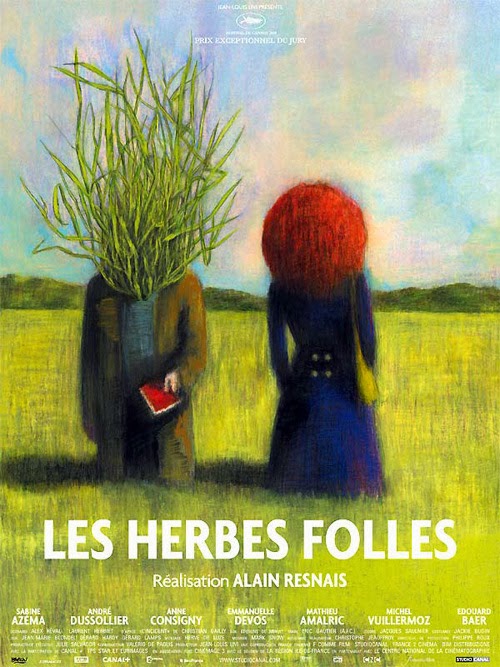
2009 Endy Awards, Revised

Four years ago, I gave out a bunch of awards for the best films of 2009. Of course, due to the vagaries of film distribution, many great films from that year were only released (or became available to me) long after I handed them out. So here is an up-to-date accounting of the 2009 Endy Awards.
>Other years can be found in the Rankings & Awards Index. Eligibility is determined by imdb date and by whether or not I’ve seen the movie in question. Nominees are presented in alphabetical order, the winner is bolded. And the Endy goes to. . .

Best Picture:

1. Bright Star
2. Bluebeard
3. La danse
4. Fantastic Mr. Fox
5. Inglourious Basterds
6. It Felt Like a Kiss
7. The Limits of Control
8. Oxhide II
9. Phantoms of Nabua
10. Wild Grass

Best Director:

1. Frederick Wiseman, La danse
2. Wes Anderson, Fantastic Mr. Fox
3. Adam Curtis, It Felt Like a Kiss
4. Liu Jiayin, Oxhide II
5. Alain Resnais, Wild Grass

Best Actor:

1. Nicholas Cage, Bad Lieutenant: Port of Call New Orleans
2. Ben Whishaw, Bright Star
3. Isaach De Bankolé, The Limits of Control
4. Michael Stuhlbarg, A Serious Man
5. André Dussollier, Wild Grass

Best Actress:

1. Bae Doona, Air Doll
2. Lola Créton, Bluebeard
3. Abbie Cornish, Bright Star
4. Tilda Swinton, I Am Love
5. Sabine Azéma, Wild Grass

Supporting Actor:

1. Mathieu Amalric, Wild Grass
2. Christoph Waltz, Inglourious Basterds
3. Peter Capaldi, In the Loop
4. Dolph Lundgren, Universal Soldier: Regeneration
5. Simon Yam, Vengeance

Supporting Actress:

1. Marilou Lopes-Benites, Bluebeard
2. Melanie Laurent, Inglourious Basterds
3. Anna Kendrick, Up in the Air
4. Anne Consigny, Wild Grass
5. Kelly Lin, Written By

Original Screenplay:

1. Quentin Tarantino, Inglourious Basterds
2. Hong Sang-soo, Like You Know It All
3. Liu Jiayin, Oxhide II
4. Corneliu Porumboiu, Police Adjective
5. Wai Ka-fai & Au Kin-yee, Written By

Adapted Screenplay:

1. Catherine Breillat, Bluebeard
2. Manoel de Oliveira, Eccentricities of a Blond-Haired Girl
3. Wes Anderson & Noah Baumbach, Fantastic Mr. Fox
4. Armando Iannucci et al, In the Loop
5. Alain Resnais & Laurent Herbiet, Wild Grass

Foreign Language Film:

1. Bluebeard (Catherine Breillat)
2. La danse (Frederick Wiseman)
3. Oxhide II (Liu Jiayin)
4. Phantoms of Nabua (Apichatpong Weerasethakul)
5. Wild Grass (Alain Resnais)

Documentary Feature:

1. The Art of the Steal (Don Argott)
2. It Felt Like a Kiss (Adam Curtis)
3. La danse (Frederick Wiseman)
4. In Search of Beethoven (Phil Grabsky)
5. The September Issue (RJ Cutler)

Unseen Film:

1. About Elly (Asghar Farhadi)
2. The Box (Richard Kelly)
3. Magadheera (SS Rajamouli)
4. A Single Man (Tom Ford)
5. White Material (Claire Denis)

Animated Feature:

1. Coraline (Henry Selick)
2. Fantastic Mr. Fox (Wes Anderson)
3. The Secret of Kells (Tomm Moore & Nora Twomey)
4. Summer Wars (Mamoru Hosada)
5. Up (Pete Docter & Bob Peterson)

Film Editing:

1. Accident
2. La danse
3. Inglourious Basterds
4. It Felt Like a Kiss
5. Public Enemies

Cinematography:

1. Greig Fraser, Bright Star
2. Robert Richardson, Inglourious Basterds
3. Christopher Doyle, The Limits of Control
4. Dante Spinotti, Public Enemies
5. Eric Gautier, Wild Grass

Art Direction:

1. Fantastic Mr. Fox
2. Gamer
3. Inglourious Basterds
4. The Limits of Control
5. Written By

Costume Design:

1. Bright Star
2. Fantastic Mr. Fox
3. I Am Love
4. The Limits of Control
5. Where the Wild Things Are

Make-up:

1. Crank: High Voltage
2. District 9
3. Drag Me to Hell
4. Star Trek
5. Watchmen

Sound:

1. Fantastic Mr. Fox
2. Inglourious Basterds
3. Phantoms of Nabua
4. Public Enemies
5. Universal Soldier: Regeneration

Sound Editing:

1. Avatar
2. Drag Me to Hell
3. Fantastic Mr. Fox
4. Public Enemies
5. Star Trek

Visual Effects:

1. Avatar
2. Sophie’s Revenge
3. Star Trek
4. Watchmen
5. Written By

Original Score:

1. Alexandre Desplat, Fantastic Mr. Fox
2. Justin Hurwitz, Guy and Madeline on a Park Bench
3. John Adams, I Am Love
4. Boris, The Limits of Control
5. Carter Burwell, A Serious Man

Adapted Score:

1. Adventureland
2. Fantastic Mr. Fox
3. Inglourious Basterds
4. In Search of Beethoven
5. The Limits of Control

2010 Endy Awards

Two years ago, I gave out a bunch of awards for the best films of 2010. Of course, due to the vagaries of film distribution, many great films from that year were only released (or became available to me) long after I handed them out. So here is an up-to-date accounting of my 2010 Endy Awards.

Other years can be found in the Rankings & Awards Index. Eligibility is determined by imdb date and by whether or not I’ve seen the movie in question. Nominees are presented in alphabetical order, the winner is bolded. And the Endy goes to. . .


Best Picture:

1. Carlos
2. Certified Copy
3. Hahaha
4. Let the Bullets Fly
5. Love in a Puff
6. Meek’s Cutoff
7. Mysteries of Lisbon
8. Oki’s Movie
9. Thomas Mao
10. Uncle Boonmee Who Can Recall His Past Lives

Best Director:

1. Olivier Assays, Carlos
2. Abbas Kiarostami, Certified Copy
3. Hong Sangsoo, Oki’s Movie
4. Kelly Reichardt, Meek’s Cutoff
5. Raúl Ruiz, Mysteries of Lisbon

Best Actor:

1. James Franco, 127 Hours
2. Edgar Ramirez, Carlos
3. Jiang Wen, Let the Bullets Fly
4. Leonardo DiCaprio, Shutter Island
5. Jesse Eisenberg, The Social Network

Best Actress:

1. Juliette Binoche, Certified Copy
2. Emma Stone, Easy A
3. Miriam Yeung, Love in a Puff
4. Michelle Williams, Meek’s Cutoff
5. Jung Yoo-mi, Oki’s Movie

Supporting Actor:

1. Teddy Robin Kwan, Gallants
2. Mark Ruffalo, The Kids are All Right
3. Chow Yun-fat, Let the Bullets Fly
4. Bruce Greenwood, Meek’s Cutoff
5. John Hawkes, Winter’s Bone

Teddy Robin Kwan is a Hong Kong icon, a rock star from the 60s and 70s who appeared in a number of films, in particular wacky Cinema City and Tsui Hark comedies.

Supporting Actress:

1. Lesley Manville, Another Year
2. Wei Wei, The Drunkard
3. Greta Gerwig, Greenberg
4. Rosamund Pike, Made in Dagenham
5. Rooney Mara, The Social Network

This is the first of three consecutive Endy wins for Gerwig, as she’ll go on to win Best Actress Awards for Damsels in Distress and then Frances Ha. Safe to say she’s a favorite here at The End.


Original Screenplay:
 

1. Olivier Assayas, Dan Franck & Daniel Leconte, Carlos
2. Abbas Kiarostami, Certified Copy
3. Pang Ho-cheung & Heiward Mak, Love in a Puff
4. Hong Sangsoo, Oki’s Movie
5. Zhu Wen, Thomas Mao

Adapted Screenplay:

1. Carlos Saboga, Mysteries of Lisbon
2. Laeta Kalogridis, Shutter Island
3. Catherine Breillat, The Sleeping Beauty
4. Aaron Sorkin, The Social Network
5. Joel & Ethan Coen, True Grit

Foreign Language Film:

1. Carlos (Olivier Assayas)
2. Certified Copy (Abbas Kiarostami)
3. Mysteries of Lisbon (Raoul Ruiz)
4. Oki’s Movie (Hong Sangsoo)
5. Uncle Boonmee Who Can Recall His Past Lives (Apichatpong Weerasethakul)

Documentary Feature:

1. Boxing Gym (Frederick Wiseman)
2. Cave of Forgotten Dreams (Werner Herzog)
3. Exit Through the Gift Shop (Banksy)
4. I Wish I Knew (Jia Zhangke)
5. Nostalgia for the Light (Patricio Guzman)

Unseen Film:

1. Insidious (James Wan)
2. Aftershock (Feng Xiaogang)
3. Norwegian Wood (Tran Anh Hung)
4. Outrage (Takashi Kitano)
5. The Princess of Montpensier (Bertrand Tavernier)

Had some trouble coming up with five movies I really wanted to see. I must be overlooking a bunch.

Animated Feature:

1. A Cat in Paris (Jean-Loup Felicioli & Alain Gagnol)
2. The Illusionist (Sylvain Chomet)
4. The Secret World of Arrietty (Hiromasa Yonebayashi)
3. Toy Story 3 (Lee Unkrich)

Short Film:

1. 607 (Liu Jiayin)
2. Day and Night (Teddy Newton)
3. Inhalation (Edmund Yeo)


Film Editing:

1. Carlos
2. Film Socialisme
3. Hahaha
4. Mysteries of Lisbon
5. Shutter Island

Cinematography:

1. Andrew Lau & Ng Man-ching, Legend of the Fist
2. Luca Bigazzi, Certified Copy
3. Christopher Blauvelt, Meek’s Cutoff
4. Jeff Cronenweth, The Social Network
5. Roger Deakins, True Grit

Art Direction:

1. Detective Dee and the Mystery of the Phantom Flame
2. Let the Bullets Fly
3. Mysteries of Lisbon
3. True Grit
5. Uncle Boonmee Who Can Recall His Past Lives

Costume Design:

1. Carlos
2. Detective Dee and the Mystery of the Phantom Flame
3. Meek’s Cutoff
4. Mysteries of Lisbon
5. The Sleeping Beauty

Make-up:

1. 127 Hours
2. Black Swan
3. Detective Dee and the Mystery of the Phantom Flame
4. Meek’s Cutoff
5. Shutter Island

Sound Mixing:

1. Black Swan
2. Film Socialisme
3. Meek’s Cutoff
4. Scott Pilgrim vs. the World
5. Shutter Island

Sound Editing:

1. Let the Bullets Fly
2. Scott Pilgrim vs. the World
3. Shutter Island
4. True Grit
5. Unstoppable

Visual Effects:

1. 127 Hours
2. Gallants
3. Inception
4. Resident Evil: Afterlife
5. Scott Pilgrim vs. the World

Give me an Army of Millas over Christopher Nolan any day.

Original Score:

1. 127 Hours
2. The Illusionist
3. Never Let Me Go
4. The Social Network
5. True Grit

Adapted Score:

1. Black Swan
2. Carlos
3. Greenberg
4. Scott Pilgrim vs. the World
5. Shutter Island

Olivier Assayas will win Adapted Score again in 2012 for Something in the Air. The man has good taste in music.