On The Poor Little Rich Girl

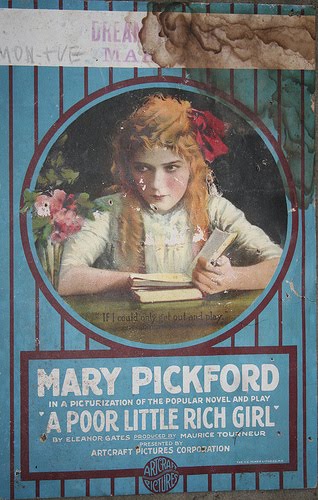
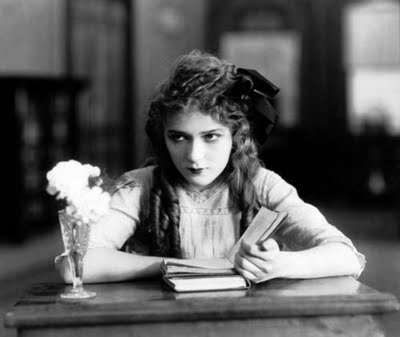
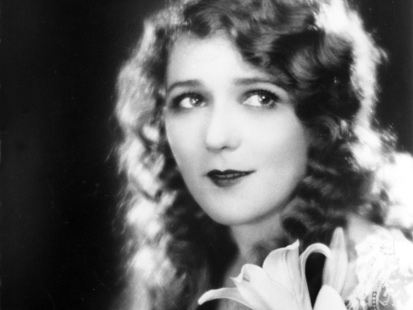
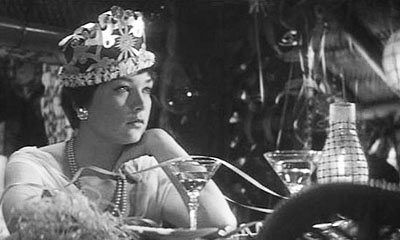
Mary Pickford is possibly the biggest star with whose work I’m the least familiar.  Certainly among the four founders of United Artists (Pickford, DW Griffith, Charlie Chaplin and Douglas Fairbanks) she’s the one I know the least about, she’s also the one least well known in general today, so I don’t think I’m all that alone in my ignorance.  But that doesn’t make it right.  This 1917 film is the first feature I’ve seen her in, and it comes from an odd time in her career.  She was already established as a huge star (reportedly second only to Chaplin in 1916) but was in the midst of a cycle of films in which she played pre-teen children, despite the fact that she was 25 years old, had been married for six years (to her first husband, actor Owen Moore) and had been playing adults for much of her career.  It’s about as weird as if in addition to starring in Black Swan in 2010, when she was 28 years old, Natalie Portman had also made Leon that same year, playing the same 13 year old girl role she had actually played in 1994.

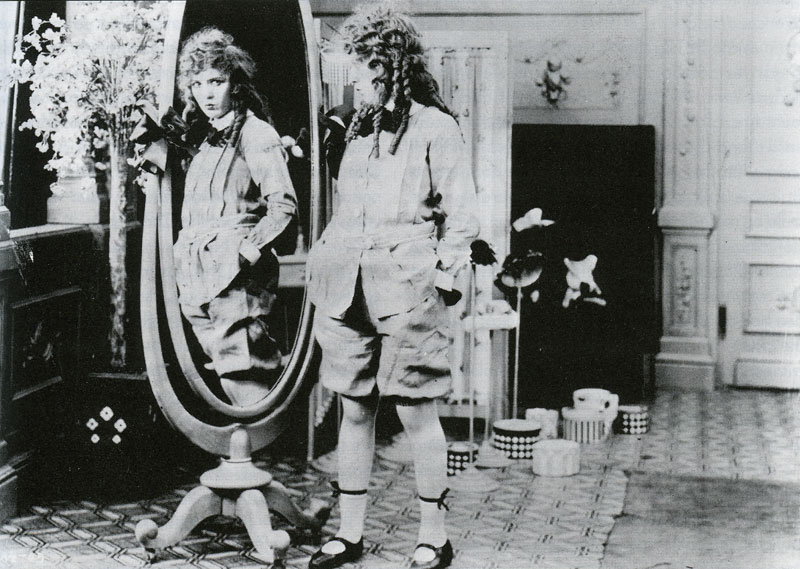
The Poor Little Rich Girl, at least in its first half, can’t help but be dominated by this weird disconnect: a fully grown woman playing an eleven year old girl, and the tremendous popularity of Pickford in this role (she played “The Little Girl” also in films like Rebecca of Sunnybrook Farm, Pollyanna and Daddy-Long-Legs) must say something interesting about the way women were seen and understood by popular culture in the 1910s.  Or rather, the popularity of the films can be seen as a backlash against the progressive social changes women were pushing for in the era, culminating in finally getting the vote and banning alcohol.  I don’t really know how to process all that right now.  Regardless, on the most basic level of film viewership, the experience is bizarre.  I kept wondering if Pickford was really short, or they just surrounded her with really tall actors and slightly oversized sets, like those old Lily Tomlin ‘Edith Ann’ sketches.  It’s distracting to say the least.

Fortunately, the film manages to be pretty great despite the (unintentional) weirdness at its core.  Pickford plays Gwendolyn, the rich girl victim of parental neglect and mean servants, trapped in her fancy house and not allowed to play with other (poorer) children or go outside or have any fun at all.  The first half of the film details a few episodes where Gwen breaks down the strict social order that’s been imposed upon her, and Pickford here is a wonderful physical comedienne playing that slapstick standard agent of chaos: getting in a mudfight with neighborhood boys who’ve snuck into her garden, getting back at a mean rich girl by tricking her into sitting on a sandwich and most glorious of all, utterly destroying her bathroom, dancing like a madwoman and dousing her maid with malfunctioning plumbing.

The second half of the film takes a Wizard of Oz turn as Gwen’s servants accidentally give her twice the tranquilizer they intend to (they need her to go to sleep so they can go out to the theatre), sending Gwen into a feverish coma.  There she reimagines her life as a quest narrative, interpolating the people she knows with fanciful creatures and objects.  A running trope in the first half of the film had Gwen not quite understanding the metaphors grown-ups use in everyday conversation (one person is “a snake in the grass”, her financier father has to “fight the bears” on Wall Street, etc) which is a funny enough joke on its own.  But in the dream sequence, those metaphors take on the literality a child would see them with, such that the governess becomes an actual snake in the grass, the butler a silly jackass, the two-faced maid horrifyingly has two faces and Gwen must fight to save her father from the bears.  It’s clever, totally charming and the dramatic resolution with the father re-establishing his role as father first, moneymaker second (shades of Mary Poppins) is genuinely moving.

The film was directed by Maurice Tourneur, another major figure with whom I’m lacking sufficient familiarity.  He was, of course, the father of Jacques Tourneur, one of the greatest and most underrated directors of the 1940s and 50s (few directors have three films as good, and as diverse, as Jacques’s Cat People, Out of the Past and Stars in My Crown).  Tourneur and Pickford reportedly didn’t get along and this was the last of two films they made together, both in 1917.  Later that year, she made two films with Cecil B. DeMille and after that almost never worked with a major director again.  After several years working with Griffith, Edwin S. Porter and Thomas Ince, by the time she was a star she was clearly the auteur of her own films, producing them as well as starring in them beginning in 1916 and running her own studio starting in 1920.  (From Kevin Brownlow in The Parade’s Gone By: “Although Mary Pickford says she seldom exercised control over her directors, her cameraman, Charles Rosher, declares that she did a lot of her own directing. “The director would often just direct the crowd. She knew everything there was to know about motion pictures.””)  Which again raises the question of why she kept playing these Little Girl parts.  What does it mean that an intelligent, powerful, liberated woman who had almost total control of her career chose so often, and was so popular in, roles that forced her to play as a child?  To the point that she actually retired when playing those parts became seriously untenable (Pickford: “I left the screen because I didn’t want what happened to Chaplin to happen to me … The little girl made me. I wasn’t waiting for the little girl to kill me. I’d already been pigeonholed. I know I’m an artist, and that’s not being arrogant, because talent comes from God … My career was planned, there was never anything accidental about it. It was planned, it was painful, it was purposeful. I’m not exactly satisfied, but I’m grateful.”)  Clearly this is a subject for further research.

The Laurel & Hardy Project #6: Jewish Prudence

The next film in the set is the first (only?) to star neither Stan Laurel nor Oliver Hardy.  Instead, it was written by Laurel and directed by Leo McCarey, the third most important member of the team.  The film stars comedian Max Davidson, who started in features in 1915 (he had a small role in DW Griffith’s Intolerance) and lasted until 1945 (the Clark Gable film Adventure was his last appearance).  At the Hal Roach Studios, Davidson specialized in a comic Jewish character, hence the title of this short, which for some reason is changed to simply Prudence on the title card of what I assume is a rereleased print.  Removing the pun makes the name of the film pretty nonsensical, since the movie’s about a court case, not moderation.  Maybe they changed it for anti-semitic reasons to make the film palatable to a non-Jewish audience, I don’t know.  Davidson’s character is a bit of a caricature, but a sympathetic one, certainly not any more offensive than any random five minutes of Jon Stewart or Larry David.

That last comparison is particularly apt here, because the film is a perfectly structured twenty minute comedy, the kind David, the best comedy writer of the last 25 years, has mastered.   Thus this film highlights Laurel’s ability not just as a performer but as a writer.  It was Laurel who was the driving creative force behind the team, Hardy was much more laid back (and/or lazy), contrary to their on-screen personae, and I expect to see that their later films will show the kind of carefully designed structure that this film displays.  Like a good episode of Seinfeld or Curb Your Enthusiasm, it’s built around multiple plot threads that seem disconnected until they neatly unify at the end.  Also like those TV shows, the main character is a scoundrel, willing to lie and cheat to get ahead, while drawing the line at actually hurting any people (insurance fraud, though, is OK).

Davidson is a middle class father with two sons and a daughter.  The daughter wants to marry a lawyer, but Davidson withholds his permission until the young man can win his first case.  He wants the lazy and goofy sons to get rich, so he buys one of them a truck.  But the kid doesn’t know how to drive and manages to destroy an entire set (memorably taking out half a building) before crashing the truck into another car.  At the scene of the accident, Davidson gets his other son to fake an injury, hoping to make some money on insurance and sue the other driver.

Later, Davidson and his son attempt to convince some insurance men (one of whom is played by the great character actor of the 30s and 40s, Eugene Pallette, most recognizable as Friar Tuck from the Errol Flynn Robin Hood) that the son is paralyzed by lying him on a couch and hiding his good leg in a hollow cushion and replacing it with a wooden one, which they then stick with needles and such.  This, of course, goes comically wrong, for a while the son has three legs, another time he’s almost caught dancing (his dream is to be a professional Charleston dancer).  Eventually, Davidson and the son end up in court (suing that driver), where the daughter’s boyfriend wins the case for the defense (exposing Davidson as a liar and fraud) and gets the girl.  Davidson drives away in disgust, only to have his car hit by the truck driven by his other son.

The film is pretty funny throughout, the two major set pieces, the truck destruction and the wooden leg, are slapstick gems, but what elevates the film and makes it the best of the shorts I’ve seen thus far, is that escalating series of callbacks that brings everything to such a nifty conclusion.  At the end it all seems so obvious and inevitable, but that’s the genius of it.

This Week in Rankings

My watches and rewatches from the past week, with each film’s rank on The Big List.

In Old Arizona – 14, 1928
I Am a Fugitive from a Chain Gang – 7, 1932
Captain Blood -12, 1935
A Star is Born – 13, 1937
The Devil and Miss Jones – 21, 1941
The More the Merrier – 13, 1943
Objective: Burma! – 9, 1945
The House on 92nd Street –  22, 1945
All the King’s Men – 29, 1949

Along the Great Divide – 18, 1951
The House on Telegraph Hill – 27, 1951
The Bad and the Beautiful – 13, 1952
Marty – 32, 1955
Gigi – 17, 1958
Oliver! – 17, 1968
Midnight Cowboy – 14, 1969

2011

Now that the Oscars are done with, it’s past time I release a best Films of 2011 list.  This is even more preliminary than usual this year, as I haven’t had much chance to see new movies and I missed the Vancouver Film festival for the first time in several years.  Thus, I’ve only seen 24 films from 2011 so far, but that will change and this list will be updated as it does.  I’ve included links to reviews of the films I’ve written about.  Eventually there will be something for everything, but that’s a long-term project.

2. Drive
3. The Muppets
4. Happiness is a Warm Blanket, Charlie Brown
5. Hugo
8. The Adventures of Tintin
9. Winnie the Pooh
11. Moneyball
12. Super 8
13. The Guard
14. Thor
15. Rise of the Planet of the Apes
16. Fragments: Surviving Pieces of Lost Films
17. Attack the Block
18. Don’t Expect Too Much
19. The Adjustment Bureau
20. Page One: Inside the New York Times
21. Cedar Rapids
22. Rango
23. Captain America

Oscarfever! 2012: Predictions and Endy Award Winners

It’s once again time for my annual highly mediocre, guaranteed to finish in the top 5 but definitely not win your pool Oscar Predictions.  As always, my guess are paired with my own personal award for each category, The Endy.  The Endys follow different rules than the Oscars because only actual 2011 films are eligible, which excludes such luminaries as Certified Copy, Meek’s Cutoff, Carlos, Mysteries of Lisbon, Uncle Boonmee Who Can Recall His Past Lives and many others which all first saw release in 2010.  This year was an unusually light one for me movie-wise, as the Best of the Year list (to be posted this evening) will attest, and some of the Endy categories (I haven’t seen any 2011 foreign language films!) are a bit lacking.

Best Picture:
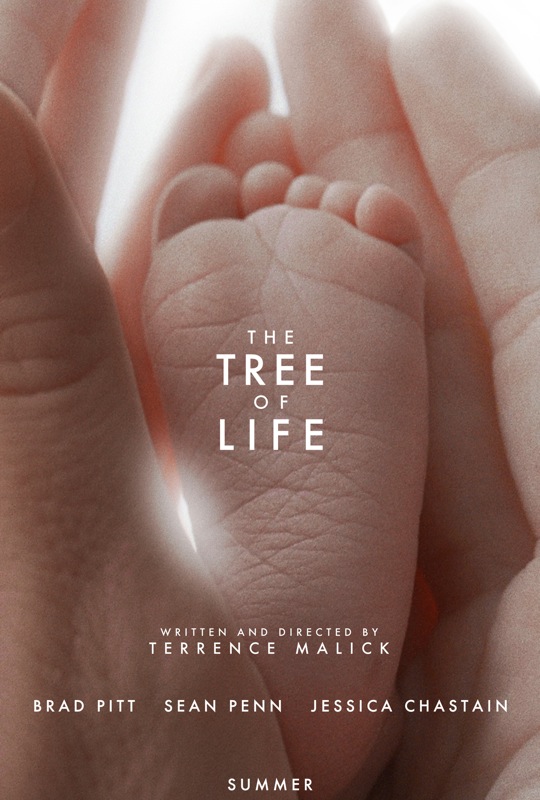
Endy: The Tree of Life
Oscar: The Artist
Best Director:
Endy: Terrence Malick, The Tree of Life
Oscar: Michel Hazanavicius, The Artist
Actor:
Endy: Brendan Gleeson, The Guard
Oscar: Jean Dujardin, The Artist
Actress:
Endy: Marion Cotillard, Midnight in Paris
Oscar: Viola Davis, The Help
Supporting Actor:
Endy: Brad Pitt, The Tree of Life
Oscar: Christopher Plummer, Beginners
Supporting Actress:
Endy: Helen McCrory, Hugo
Oscar: Bérénice Bejo, The Artist
Original Screenplay:
Endy: Jason Segel & Nicholas Stoller, The Muppets
Oscar: Woody Allen, Midnight in Paris
Adapted Screenplay:
Endy: Craig Schultz & Stephan Pastis, Happiness is a Warm Blanket, Charlie Brown
Oscar: Alexander Payne, Nat Faxon & Jim Rash, The Descendants
Foreign Language Film:
Endy: NA
Oscar: A Separation
Documentary Feature:
Endy: Fragments: Surviving Pieces of Lost Films
Oscar: Paradise Lost 3
Animated Feature:
Endy: Happiness is a Warm Blanket, Charlie Brown
Oscar: Rango
Film Editing:
Endy: The Tree of Life
Oscar: The Artist
Cinematography:
Endy: Emmanuel Lubezki, The Tree of Life
Oscar: Emmanuel Lubezki, The Tree of Life
Art Direction:
Endy: Hugo
Oscar: Hugo
Costume Design:
Endy: Midnight in Paris
Oscar: The Artist
Make-Up:
Endy: Super 8
Oscar: The Iron Lady
Sound Mixing:
Endy: The Tree of Life
Oscar: Hugo
Sound Editing:
Endy: Drive
Oscar: War Horse
Visual Effects:
Endy: Hugo
Oscar: Rise of the Planet of the Apes
Original Score:
Endy: Alexandre Desplat, The Tree of Life
Oscar: Ludovic Bource, The Artist
Original Song:
Endy: “Man or Muppet”, The Muppets
Oscar: “Man or Muppet”, The Muppets
Documentary Short:
Oscar: Saving Face
Animated Short:
Oscar: The Fantastic Flying Books of Mr. Morris Lessmore
Live Action Short:
Oscar: The Shore
Soundtrack:
Endy: The Tree of Life

Oscarfever! 2012: Best Picture Lists

In honor of tomorrow’s big show, here’s a couple big Oscar-related lists for the day.  First, I’ve ranked all 76 of the Best Picture winners I’ve seen:
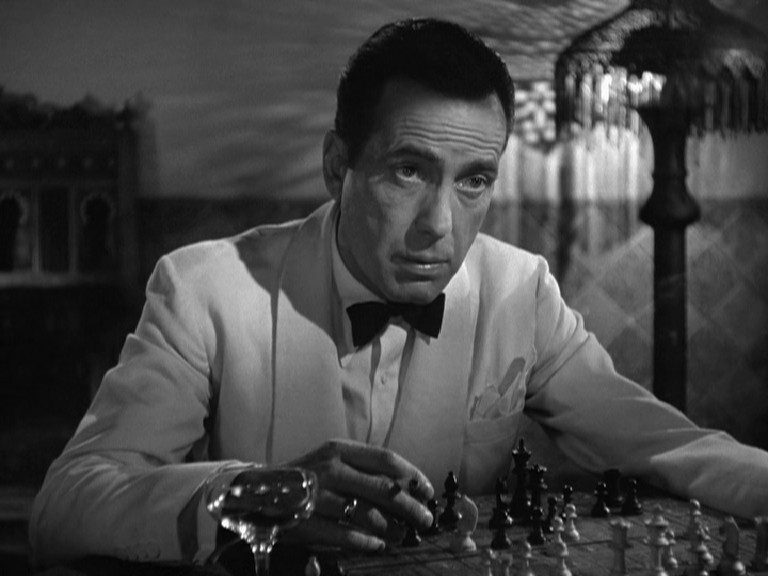
1. Casablanca   
2. Annie Hall
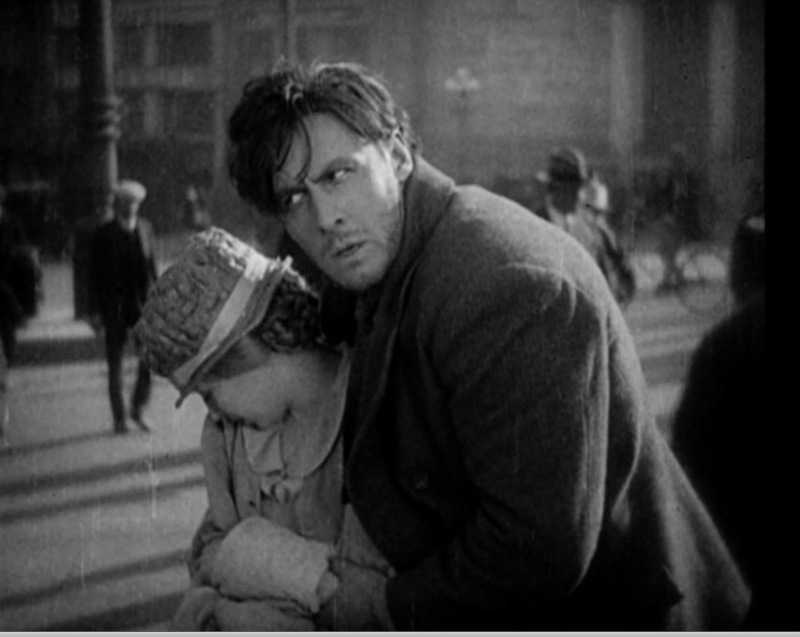
3. Sunrise
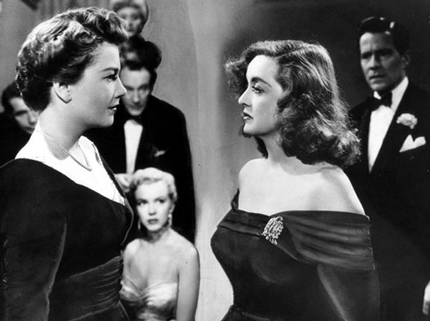
4. All About Eve
5. An American in Paris
6. Gone With the Wind
7. My Fair Lady
8. Unforgiven
9. The Godfather Part II
10. Lawrence of Arabia
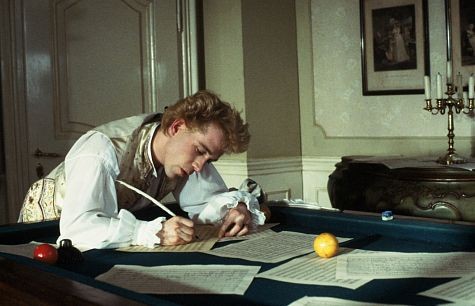
11. Amadeus
12. On the Waterfront
13. The French Connection
14. The Godfather
15. It Happened One Night
16. The Best Years of Our Lives
17. Rebecca
18. All Quiet on the Western Front
19. The Apartment
20. How Green Was My Valley
21. The English Patient
22. The Departed
23. West Side Story
24. Patton
25. Wings
26. Gigi
27. The Sting
28. No Country for Old Men
29. Going My Way
30. Out of Africa
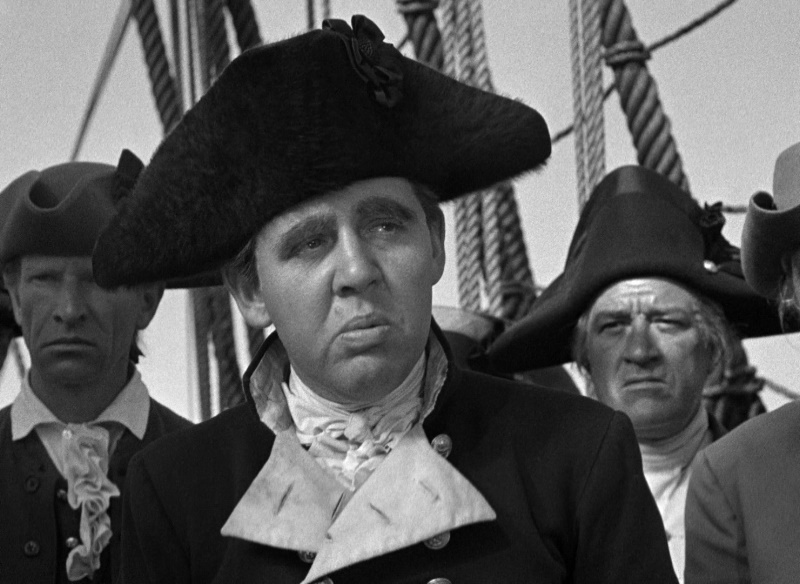
31. Mutiny on the Bounty
32. Hamlet
33. Midnight Cowboy
34. The Bridge on the River Kwai
35. The Silence of the Lambs
36. Platoon
37. The Return of the King
38. The Last Emperor
39. Schindler’s List
40. The Deer Hunter
41. All the King’s Men
42. Rocky
43. The Hurt Locker
44. Titanic
45. Marty
46. Ordinary People
47. Ben-Hur
48. You Can’t Take It With You
49. In the Heat of the Night
50. Slumdog Millionaire
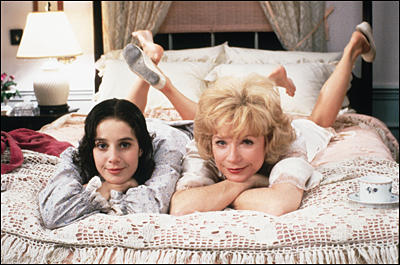
51. Terms of Endearment
52. Shakespeare in Love
53. Braveheart
54. The Broadway Melody
55. Oliver!
56. Grand Hotel
57. Dances with Wolves
58. A Man for All Seasons
59. One Flew Over the Cuckoo’s Nest
60. The King’s Speech
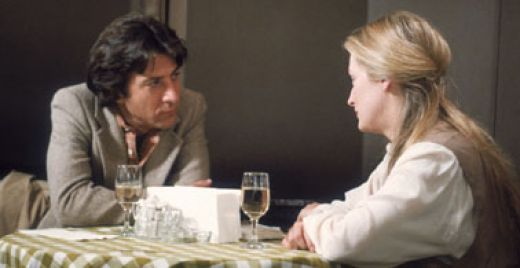
61. Kramer vs. Kramer
62. American Beauty
63. Gandhi
64. The Lost Weekend
65. Cimarron
66. Forrest Gump
67. Million Dollar Baby
68. Chariots of Fire
69. The Sound of Music
70. Rain Man
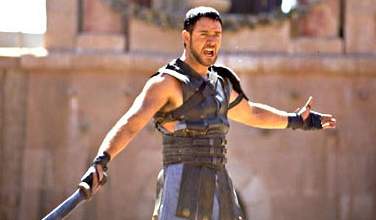
71. Gladiator
72. Cavalcade
73. A Beautiful Mind
74. Gentlemen’s Agreement
75. Driving Miss Daisy
76. Crash

 The seven winners I haven’t seen yet are: The Great Ziegfeld, The Life of Emile Zola
Mrs. Miniver, The Greatest Show on Earth, Around the World in 80 Days, Tom Jones,  and Chicago.


Second, a list of all the actual winners in chronological order, followed in parentheses by the actual nominee I would have picked (limited of course by the films I’ve seen) and my personal choice as Best Picture.  I’m following as best I can the Oscar eligibility rules for Hollywood films (foreign film release dates are too complicated, so for the sake of this exercise, let’s just assume that films have been released simultaneously in all parts of the world).  

Looking at this list, it’s reassuring how many great movies have been nominated for Best Picture, even if the eventual winners were lackluster.  18 times my favorite of the year was one of the nominees, with my favorite winning six times (Sunrise, Casablanca, All About Eve, An American in Paris, Annie Hall and Unforgiven).  If The Tree of Life pulls off a huge upset tomorrow, it’ll be the seventh.


27/28: Sunrise/Wings (Sunrise, Sunrise)
28/29: The Broadway Melody (The Broadway Melody, The Docks of New York)
29/30: All Quiet on the Western Front (All Quiet on the Western Front, The Man with a Movie Camera)
30/31: Cimarron (The Front Page, City Lights)
31/32: Grand Hotel (Shanghai Express, Trouble in Paradise)
32/33: Cavalcade (42nd Street, Duck Soup)
1934: It Happened One Night (The Thin Man, L’Atalante)
1935: Mutiny on the Bounty (Top Hat, Top Hat)
1936: The Great Ziegfeld (Dodsworth, Swing Time)
1937: The Life of Emile Zola (The Awful Truth, Make Way For Tomorrow)
1938: You Can’t Take It with You (The Adventures of Robin Hood, Bringing Up Baby)
1939: Gone with the Wind (Stagecoach, The Rules of the Game)
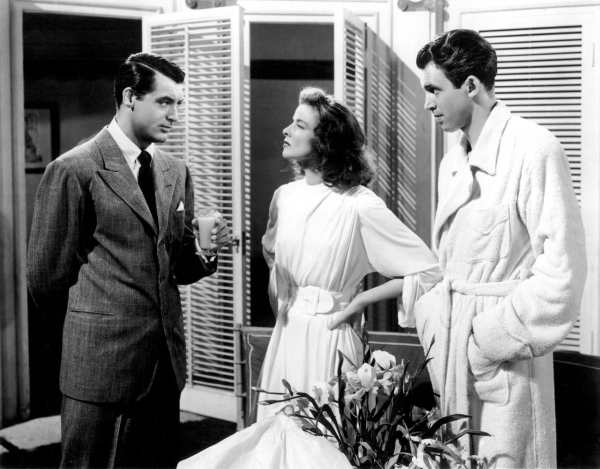
1940: Rebecca (The Philadelphia Story, The Shop Around the Corner)
1941: How Green Was My Valley (Citizen Kane, Citizen Kane)
1942: Mrs. Miniver (The Magnificent Ambersons, Cat People)
1943: Casablanca (Casablanca, Casablanca)
1944: Going My Way (Double Indemnity, A Canterbury Tale)
1945: The Lost Weekend (The Bells of St. Mary’s, Children of Paradise)
1946: The Best Years of Our Lives (It’s a Wonderful Life, The Big Sleep)
1947: Gentlemen’s Agreement (Crossfire, Black Narcissus)
1948: Hamlet (The Red Shoes, The Red Shoes)
1949: All the King’s Men (A Letter to Three Wives, The Third Man)
1950: All About Eve (All About Eve, All About Eve)
1951: An American in Paris (An American in Paris, An American in Paris)
1952: The Greatest Show on Earth (The Quiet Man, Singin’ in the Rain)
1953: From Here to Eternity (Roman Holiday, Ugetsu)
1954: On the Waterfront (On the Waterfront, Seven Samurai)
1955: Marty (Mister Roberts, Night of the Hunter)
1956: Around the World in 80 Days (The Ten Commandments, The Searchers)
1957: The Bridge on the River Kwai (Witness for the Prosecution, Funny Face)
1958: Gigi (Gigi, Vertigo)
1959: Ben-Hur (Anatomy of a Murder, North by Northwest)
1960: The Apartment (The Apartment, Psycho)
1961: West Side Story (West Side Story, A Woman is a Woman)
1962: Lawrence of Arabia (Lawrence of Arabia, The Man Who Shot Liberty Valance)
1963: Tom Jones (How the West Was Won, The Birds)
1964: My Fair Lady (Dr. Strangelove, The Umbrellas of Cherbourg)
1965: The Sound of Music (Dr. Zhivago, Pierrot le fou)
1966: A Man for All Seasons (A Man for All Seasons, Au hasard Balthazar)
1967: In the Heat of the Night (Bonnie & Clyde, Playtime)
1968: Oliver! (The Lion in Winter, Once Upon a Time in the West)
1969: Midnight Cowboy (Butch Cassidy & the Sundance Kid, A Touch of Zen)
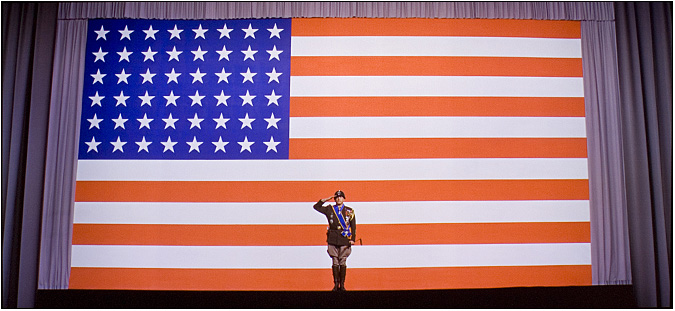
1970: Patton (Patton, Claire’s Knee)
1971: The French Connection (The French Connection, Two-Lane Blacktop)
1972: The Godfather (Cabaret, Cabaret)
1973: The Sting (The Sting, F for Fake)
1974: The Godfather Part II (Chinatown, Celine & Julie Go Boating)
1975: One Flew Over the Cuckoo’s Nest (Jaws, Jaws)
1976: Rocky (Taxi Driver, Taxi Driver)
1977: Annie Hall (Annie Hall, Annie Hall)
1978: The Deer Hunter (The Deer Hunter, Days of Heaven)
1979: Kramer vs. Kramer (All that Jazz, Manhattan)
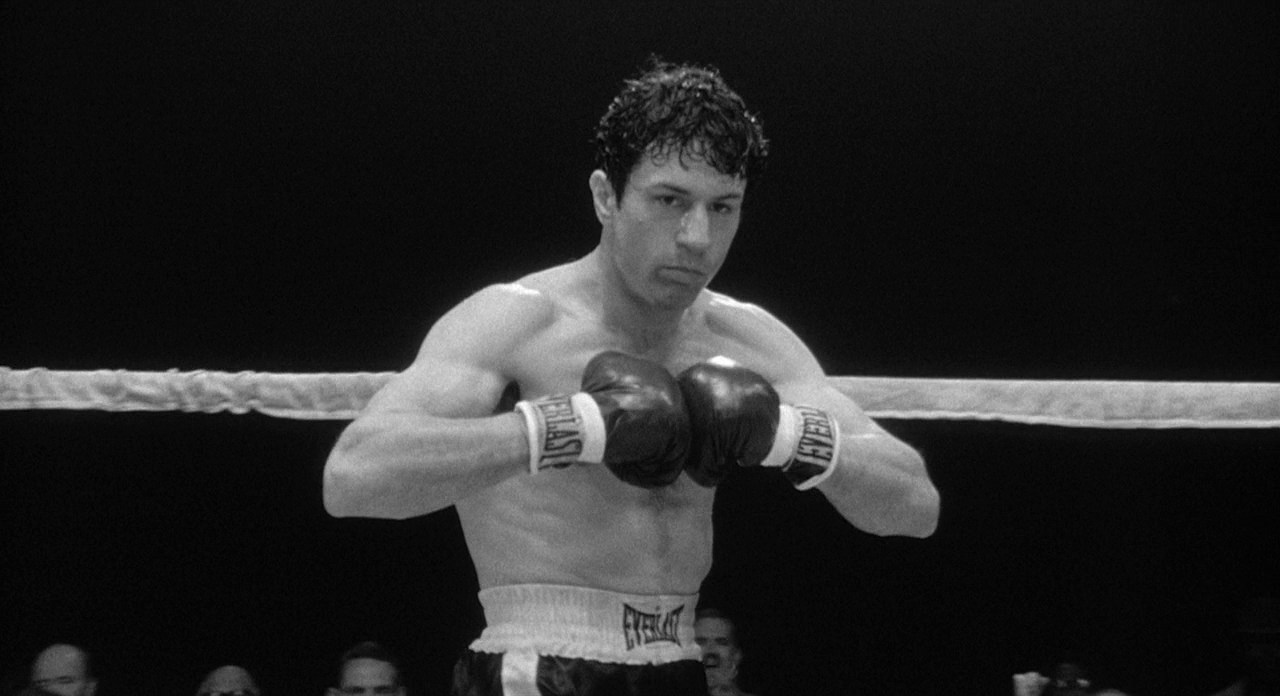
1980: Ordinary People (Raging Bull, The Empire Strikes Back)
1981: Chariots of Fire (Raiders of the Lost Ark, Raiders of the Lost Ark)
1982: Gandhi (The Verdict, Fitzcarraldo)
1983: Terms of Endearment (The Right Stuff, Sans soleil)
1984: Amadeus (Amadeus, Stranger than Paradise)
1985: Out of Africa (Out of Africa, Ran)
1986: Platoon (Hannah and her Sisters, Hannah and Her Sisters)
1987: The Last Emperor (Broadcast News, The Princess Bride)
1988: Rain Man (Dangerous Liaisons, Dangerous Liaisons)
1989: Driving Miss Daisy (Field of Dreams, Do the Right Thing)
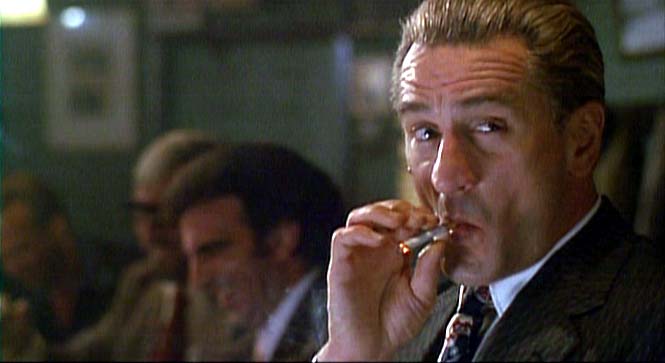
1990: Dances with Wolves (Goodfellas, Miller’s Crossing)
1991: Silence of the Lambs (JFK, Slacker)
1992: Unforgiven (Unforgiven, Unforgiven)
1993: Schindler’s List (In the Name of the Father, Three Colors: Blue)
1994: Forrest Gump (Pulp Fiction, Chungking Express)
1995: Braveheart (Sense & Sensibility, Dead Man)
1996: The English Patient (The English Patient, Transpotting)
1997: Titanic (Titanic, Boogie Nights)
1998: Shakespeare in Love (The Thin Red Line, The Big Lebowski)
1999: American Beauty (The Insider, Eyes Wide Shut)
2000: Gladiator (Crouching Tiger, Hidden Dragon, Crouching Tiger, Hidden Dragon)
2001: A Beautiful Mind (The Fellowship of the Ring, Millennium Mambo)
2002: Chicago (The Two Towers, Punch-Drunk Love)
2003: Return of the King (Master and Commander, Kill Bill Vol. 1)
2004: Million Dollar Baby (The Aviator, 2046)
2005: Crash (Munich, The New World)
2006: The Departed (The Departed, The Wind that Shakes the Barley)
2007: No Country for Old Men (There Will Be Blood, I’m Not There)
2008: Slumdog Millionaire (Milk, WALL-E)
2009: The Hurt Locker (Inglourious Basterds, Inglourious Basterds)
2010: The King’s Speech (True Grit, Certified Copy)
2011: ??? ?????? (The Tree of Life, The Tree of Life)

This Week in Rankings

Where the movies I’ve watched and rewatched over the last week line up on The Big List.
The Floorwalker – 3, 1916
The Rink – 2, 1916
Bardelys the Magnificent – 3, 1926
Cimarron – 16, 1931
Cavalcade – 27, 1933
Comrade X – 14, 1940
Once Upon a Honeymoon – 5, 1942
Cimarron – 19, 1960
Cedar Rapids – 2011
The Adventures of Tintin – 2011
The Guard – 2011
Winnie the Pooh – 2011

On The Adventures of Tintin

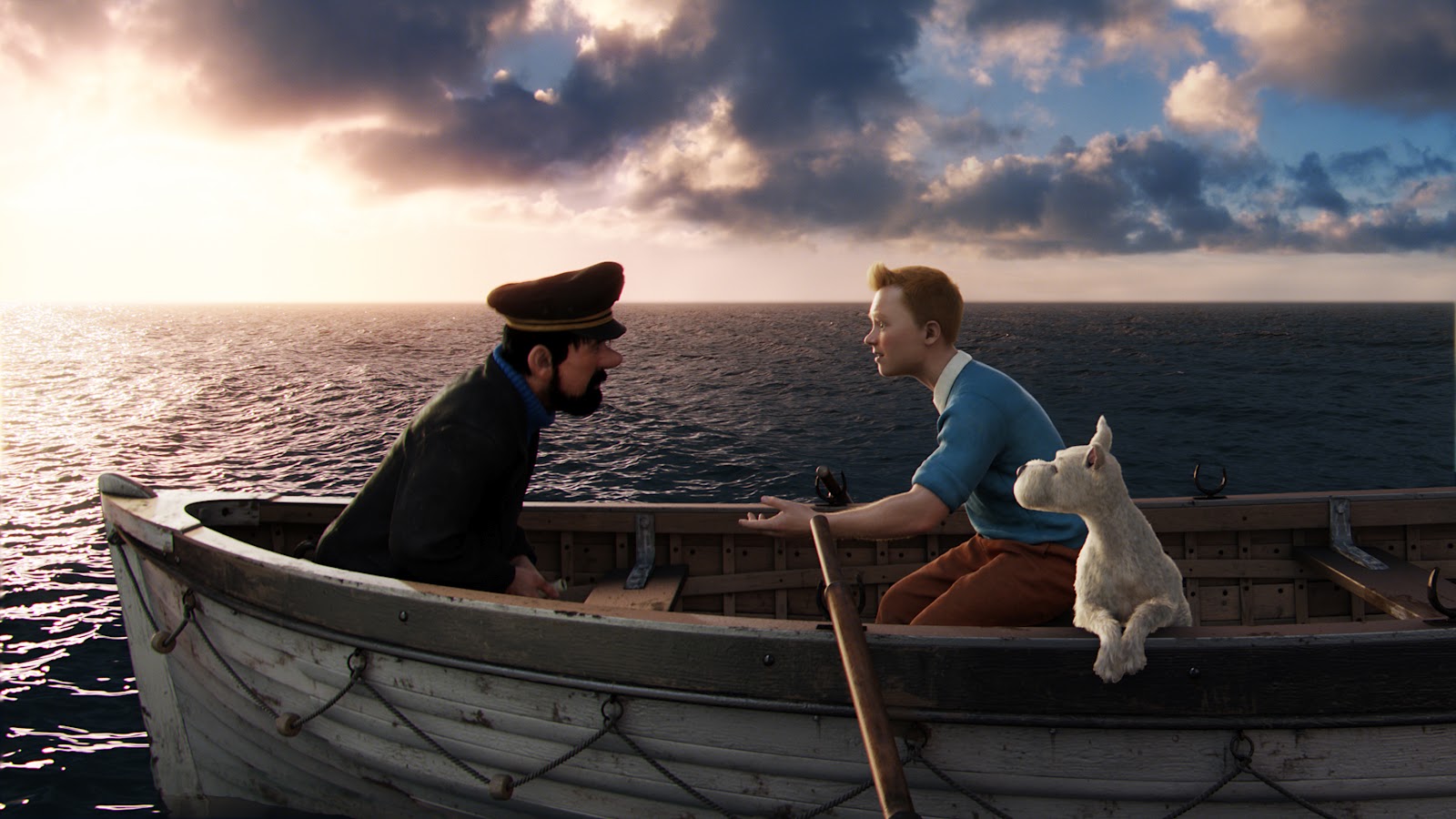
I really enjoyed this and I’m not sure why it doesn’t seem to be as popular as it should.  I fear it’s because Tintin isn’t a typical Hollywood hero in that he doesn’t have some kind of psychological crisis he overcomes through his adventure.  Capt. Haddock has his addiction arc, but not a whole lot of melodrama is wrung out of that, and Tintin’s relation to it is simple disapproval.  Tintin doesn’t have a “character” that “develops” in the way we’re used to seeing, even kids’ movies invariably have some lame redemption or parental anxiety story grafted onto them.

This is, I think, why it hearkens back to the first Indiana Jones film as much as in Spielberg’s brilliantly designed action set pieces.  Raiders of the Lost Ark doesn’t have character to speak of: Indiana Jones and Marion are types out of 40s Hollywood (the first a combination of Bogart and Flynn, the second a classic Hawksian woman) and their rudimentary romance merely serves to break up the action sequences.  They don’t develop, they are entertainment devices that are run through a plot in the manner of classic serials and adventure films.

This, then, is the truly old fashioned Spielberg film of 2011, not the thoroughly modernist War Horse.  The two films make an interesting pair, as inevitably happens when Spielberg releases two films in the same year, always opposing versions of himself (Schindler’s List and Jurassic Park in 1993, Munich and War of the Worlds in 2005, Minority Report and Catch Me If You Can in 2002, Amistad and The Lost World in 1997, Always and The Last Crusade in 1989).  In almost every one of those years, I prefer the Genre Spielberg to the Prestige Spielberg.  2005 is pretty close: both Munich and WotW are very good movies with really awful scenes near the end.  War Horse has more greatness in it (the last hour or so), but also more terribleness (the first hour or so).  Tintin is consistently good throughout, but it feels like it’s missing something.

It’s the work of a master, with beautifully conceived and executed action sequences and it is always entertaining.  Formally, the film is a wonder, not just in managing to (barely) overcome the inherent uncanny valley issues of its medium.  Spielberg creates some of the most clever and beautiful dissolves seen in years, and there’s a visual motif of reflective surfaces (mirrors, glass, water, etc) that is unmatched in any animation I’ve seen.  To what end I’m not sure: why is Tintin hounded by so many distortions of reality?  Is it merely because it looks really cool?  I think so, and that gets to what I think the film is missing.  It’s a well-told story that is all surface; it lacks the inspiration, the edge, the danger of genius.  It’s a more accomplished film than something like Gore Verbinski’s Pirates of the Carribean films, but I prefer the crazy energy of those films, the willingness to go completely off the rails to risk making a great movie.  War Horse comes close to that, Tintin plays it safe.

1904

1. The Cook in Trouble – A trick film from Georges Méliès, much less ambitious in scope than his epics of the previous two years, with only one set (albeit a lovely one) and no real narrative to speak of.  It’s more a fun diversion than anything revolutionary.  A cook is mean to a beggar asking for food.  The beggar is a wizard in disguise who curses the cook, inflicting him with demons that terrorize him, jumping in and out of his pots and crawling out of his oven in a devilish swirl of stop action photographic effects.

This Week in Rankings

Watches and rewatches from last week, and where each film currently places on The Big List.
Grand Hotel – 35, 1932
State Fair – 17, 1933
The Great Garrick – 24, 1937
Merrily We Live – 10, 1938
The Great Waltz – 12, 1938
Second Fiddle – 31, 1939
That Uncertain Feeling – 21, 1941
A Song to Remember – 23, 1945
On the Town – 9, 1949
It’s Always Fair Weather – 11, 1955
Lust for Life – 17, 1956
Ice Station Zebra – 18, 1968

Mysteries of Lisbon – 2, 2010