Judy Garland singing for all those who haven’t yet won an Endy Award, from Girl Crazy:
2012 Endy Awards
Other years can be found in the Rankings & Awards Index. Eligibility is determined by imdb date and by whether or not I’ve seen the movie in question. Nominees are presented in alphabetical order, the winner is bolded. And the Endy goes to. . .
Best Picture:
1. Drug War
2. Leviathan
3. Like Someone in Love
4. Lincoln
5. The Master
6. Moonrise Kingdom
7. Night Across the Street
8. Romancing in Thin Air
9. Viola
10. Wolf Children
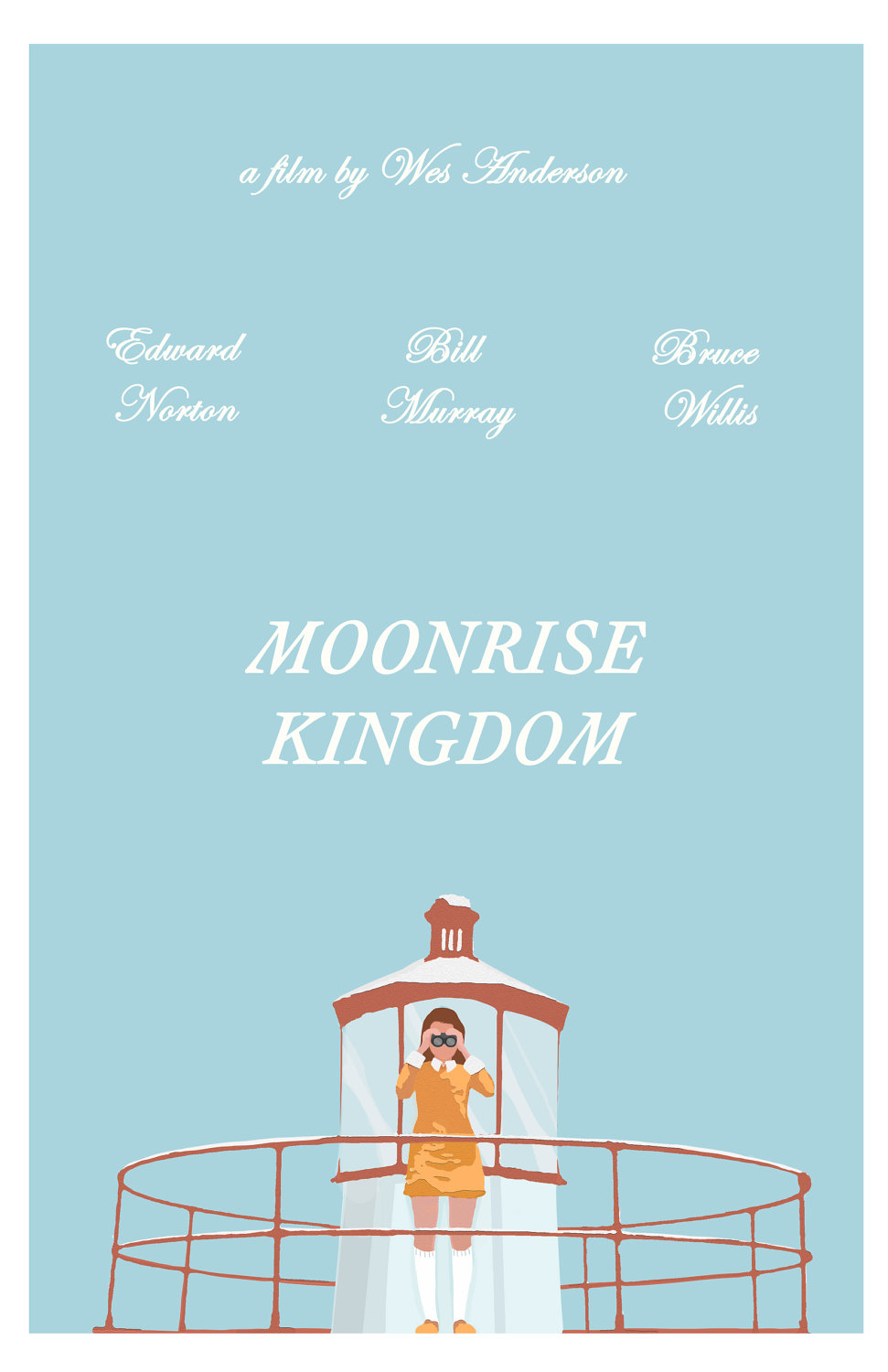
Anderson’s dollhouse, DIY, 90 degree angle aesthetic is the ideal match for a children’s fantasy of adventure and escape. The need for the kids to create their own universe contrasts eloquently with the sad rigidity of the adults. Some of the other nominees are more mysterious, but no movie this year is more perfect.
Best Director:
1. Johnnie To, Romancing in Thin Air
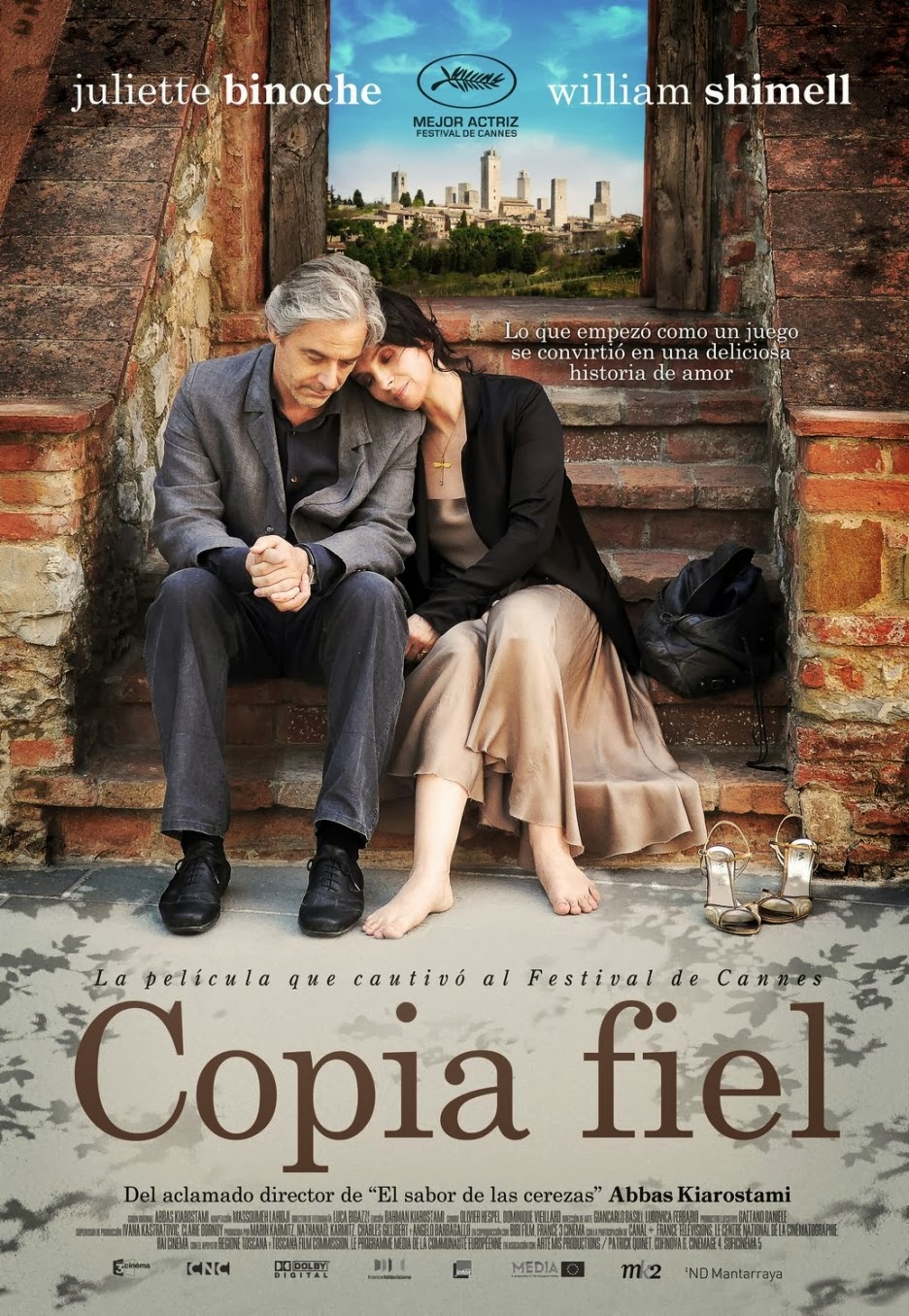
2. Abbas Kiarostami, Like Someone in Love
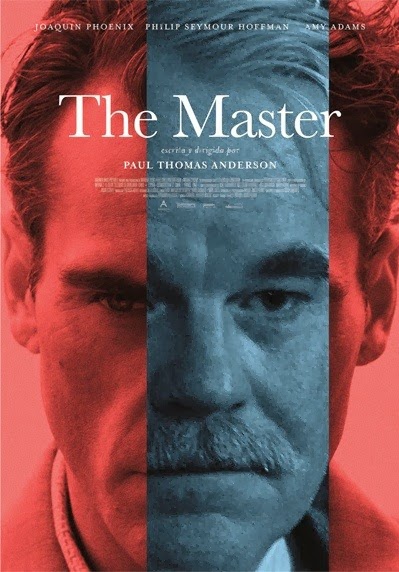
3. Paul Thomas Anderson, The Master
4. Wes Anderson, Moonrise Kingdom
5. Raúl Ruiz, Night Across the Street
Best Actor:
1. Sun Honglei, Drug War
2. Denis Levant, Holy Motors
3. Tadashi Okuno, Like Someone in Love
4. Daniel Day-Lewis, Lincoln
5. Joaquin Phoenix, The Master
In the end, Levant’s versitility and centrality to the film edge out Phoenix’s remarkably physical, extreme-method performance, and Day-Lewis’s uncanny ability to breathe life into an impersonation, either of which would be more than worthy winners in any other year.
Best Actress:
1. Greta Gerwig, Frances Ha
2. Isabelle Huppert, In Another Country
3. Anna Kendrick, Pitch Perfect
4. Sammi Cheng, Romancing in Thin Air
5. Jessica Chastain, Zero Dark Thirty
Supporting Actor:
1. Samuel L. Jackson, Django Unchained
2. Louis Koo, Drug War
3. Yu Jun-sang, In Another Country
4. Philip Seymour Hoffman, The Master
5. James Franco, Spring Breakers
Supporting Actress:
1. Amy Adams, The Master
2. Samantha Barks, Les Misérables
3. Amy Acker, Much Ado About Nothing
4. Rebel Wilson, Pitch Perfect
5. Lola Créton, Something in the Air
Original Screenplay:
1. Abbas Kiarostami, Like Someone in Love
2. Paul Thomas Anderson, The Master
3. Wes Anderson & Roman Coppola, Moonrise Kingdom
4. Wai, Ka-Fai, Yau Nai-Hoi, & Jevons Au Man-Kit, Romancing in Thin Air
5. Mark Boal, Zero Dark Thirty
The seemingly innocuous structure of Kiarostami’s film, a series of apparently mundane conversations with wildly spinning depths that over time accumulate such weight, such possibility, that builds to a crescendo with the year’s most shattering momentum, wins out over Boal’s screenplay that is more than just the effective distillation of a decade of history, but a radical (for Hollywood at least) rethinking of character and a fascinating, open-ended exploration of what counts as evidence and certainty in the post-Iraq War world.
Adapted Screenplay:
1. Li Luo, Emperor Visits the Hell
2. Tony Kushner, Lincoln
3. Joss Whedon, Much Ado About Nothing
4. Raul Ruiz, Night Across the Street
5. Alain Resnais & Laurent Herbiet, You Ain’t Seen Nothin’ Yet
In a year with unusually great films about argument and reason, Lincoln, Zero Dark Thirty, The Master, it’s Kushner’s screenplay that is the best. He had me as soon as the President explained the complexities of the Emancipation Proclamation’s post-Civil War legal status in three minutes or less. The later rhetorical flourishes are wonderful (Stevens’s ripostes to his interlocutors, Lincoln’s powerful clothing) but the trust and clarity and efficiency of Kushner’s exposition is truly remarkable.
Foreign Language Film:
1. Drug War
2. Like Someone in Love
3. Night Across the Street
4. Romancing in Thin Air
5. Wolf Children
Documentary Feature:
1. The Act of Killing
2. Leviathan
3. People’s Park
4. Room 237
5. Three Sisters
Tremendously great year for both categories. It pains me how many great foreign language films don’t quite make the cut.
Unseen Film:
1. Beyond the Hills (Cristian Mungiu)
2. Gangs of Wasseypur (Anurag Kashyap)
3. Life of Pi (Ang Lee)
4. Passion (Brian DePalma)
5. No (Pablo Larrain)
Animated Feature:
1. Brave
2. It’s Such a Beautiful Day
3. Wolf Children
4. Wreck-It Ralph
Animated Short:
1. The Longest Daycare
2. Paperman
Live Action Short:
1. Lovers are Artists, Part 2 (Lu Fang)
2. My Way (Ann Hui)
3. Walker (Tsai Ming-Liang)
4. You Are More than Beautiful (Kim Tae-young)
1. Drug War
2. The Master
3. Moonrise Kingdom
4. To the Wonder
5. Zero Dark Thirty
Cinematography:
1. Lucien Castaing-Taylor & Verena Paravel, Leviathan
2. Mihai Malaimare Jr., The Master
3. Robert D. Yeoman , Moonrise Kingdom
4. Inti Briones, Night Across the Street
5. Emmanuel Lubezki, To the Wonder
Using 70mm to film interiors and close-ups rather than, as was traditional, expansive vistas and landscapes was a stroke of genius, but The Master‘s images and the old school inventiveness of Night Across the Street‘s sepia tones and rear projections and Moonrise Kingdom‘s crystal-clear storybook aesthetic all come up short versus the “throw the camera on a fishing boat and see what weird horrors and beauties surround us” aesthetic of Leviathan.
Art Direction:
1. Blancanieves
2. Moonrise Kingdom
3. Night Across the Street
4. Resident Evil: Retribution
5. Tai Chi Zero
Costume Design:
1. Django Unchained
2. Holy Motors
3. Moonrise Kingdom
4. Night Across the Street
5. Something in the Air
Make-up:
1. Ace Attorney
2. Django Unchained
3. Holy Motors
4. Prometheus
5. Universal Soldier: Day of Reckoning
Sound Mixing:
1. Leviathan
2. The Master
3. Moonrise Kingdom
4. Neighboring Sounds
5. People’s Park
Rarely is sound design more important to a modern movie than in Neighboring Sounds. Kleber Mendonça Filho’s Recife is connected not by spatial geography, but by the way sounds bleed together in an urban environment, trumping class and racial barriers. But I’ve got to go with the revolutionary work in Leviathan. We’re in the midst of a golden age of sound experiment documentaries, and the Harvard Sensory Ethnography Lab is leading the way.
Sound Editing:
1. The Avengers
2. Django Unchained
3. Drug War
4. Skyfall
5. Zero Dark Thirty
Visual Effects:
1. Ace Attorney
2. Night Across the Street
3. Prometheus
4. Resident Evil: Retribution
5. Tai Chi Zero
Original Score:
1. The Master
2. Mekong Hotel
3. Moonrise Kingdom
4. Zero Dark Thirty
5. Wolf Children
I really want to give this to Moonrise Kingdom, for Alexandre Desplat’s suite that complements and builds upon the Hank Williams and Benjamin Britten music on the soundtrack. Or Masakatsu Takagi’s melancholically triumphant theme from Wolf Children that makes me tear up just thinking about it. But Chai Datana’s guitar score for Mekong Hotel, a meandering bluesy acoustic guitar melody that wanders and noodles and swirls back on itself, is fundamental to that film’s evocation of life by a river, where past and present, myth and reality fuse.
Adapted Score:
1. Holy Motors
2. Moonrise Kingdom
3. Pitch Perfect
4. Something in the Air
5. Tabu
Song of the Day: Everything Happens to Me
It’s a Chet Baker kind of day here at The End. Here he is from Chet Baker in Paris:
Song of the Day: Ladies Auxiliary
Running through my head all the while I was watching Mrs. Miniver was Woody Guthrie’s “Ladies Auxiliary”.
Song of the Day: Balloon Dance
After watching Rob Marshall’s Chicago tonight, I needed to see some Bob Fosse, so here he is with Debbie Reynolds from Give a Girl a Break:
Song of the Day: Rain Dogs
“Rain Dogs” by Tom Waits, from the album of the same name.
1934 Endy Awards
For the end of the year episode of The George Sanders Show a few weeks ago, we did a 1933 year in review, with awards and top 5s and reviews of a couple of films from that year. We had so much fun with it that we’re planning to do the same thing this year, for 1984. In the meantime, I figure I’ll go through the rest of the years ending in ‘4’ that I can reasonably give awards to, starting now with 1934. In the Endy Awards Index you can find entries for 2011, 1932, 1939, 1964, 1957, 1994, and 1933, along with a bunch of much older, less good award posts. Eligibility is determined by imdb date and by whether or not I’ve seen the movie in question. Nominees are listed in alphabetical order and the winners are bolded. And the Endy goes to. . .

Best Picture:
1. L’Atalante
2. Man of Aran
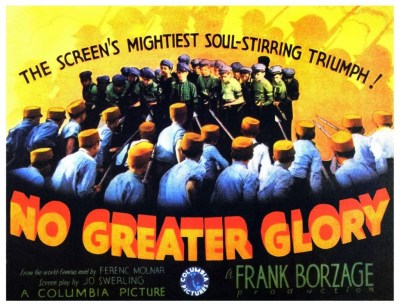
3. No Greater Glory
4. The Scarlet Empress
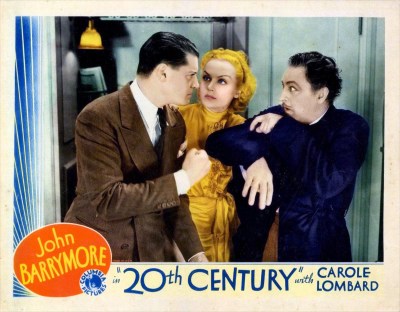
5. Twentieth Century
Best Director:
1. Jean Vigo, L’Atalante
2. Robert Flaherty, Man of Aran
3. Frank Borzage, No Greater Glory
4. Josef von Sternberg, The Scarlet Empress
5. Howard Hawks, Twentieth Century
Vigo was a winner in 1933 for his short film Zéro de conduite. This is a posthumous Endy as the immensely talented young director died of tuberculosis shortly after L’Atalante was released.
Best Actor:
1. Clark Gable, It Happened One Night
2. WC Fields, It’s a Gift
3. Will Rogers, Judge Priest
4. William Powell, The Thin Man
5. John Barrymore, Twentieth Century
Best Actress:
1. Ruan Lingyu, The Goddess
2. Claudette Colbert, It Happened One Night
3. Marlene Dietrich, The Scarlet Empress
4. Myrna Loy, The Thin Man
5. Carole Lombard, Twentieth Century
Colbert also starred in John M. Stahl’s acclaimed Imitation of Life this year, but I haven’t seen it yet (it just missed the cut for an Unseen Film nomination) and Cecil B. DeMille’s Cleopatra, which I have seen. Dietrich and Loy both won Endys in 1932, Loy in the Supporting Actress category. This was Lombard’s for a long time, and then I saw The Goddess.

Supporting Actor:
1. Michel Simon, L’Atalante
2. Boris Karloff, The Black Cat
3. Stepin Fetchit, Judge Priest
4. Peter Lorre, The Man Who Knew Too Much
5. Sam Jaffe, The Scarlet Empress
Supporting Actress:
1. Anne Dvorak, Heat Lightning
2. Glenda Farrell, Heat Lightning
3. Louise Dresser, The Scarlet Empress
4. Chôko Iida, The Story of Floating Weeds
5. Yoshiko Tsubouchi, The Story of Floating Weeds
A kind of a make-up Endy for Glenda Farrell as this is the third year in a row she has been nominated in this category, losing to Myrna Loy in 1932 and Ginger Rogers in 1933. The nomination for Stepin Fetchit is highly controversial, of course, as picketers protest that the star actor puts his comic gifts to use perpetuating horribly demeaning stereotypes, while supporters argue that Fetchit’s persona is in fact subversive of those same stereotypes. The Endy ultimately goes to Karloff because the Endy Committee are cowards.
Original Screenplay:
1. Jean Vigo & Albert Riéra, L’Atalante
2. Robert Riskin, It Happened One Night
3. Charles Bennett & DB Wyndham-Lewis, The Man Who Knew Too Much
4. King Vidor, Elizabeth Hill & Joseph L. Mankiewicz, Our Daily Bread
5. Yasujiro Ozu & Tadao Ikeda, A Story of Floating Weeds
Adapted Screenplay:
1. Irvin S. Cobb, Dudley Nichols & Lamar Trotti, Judge Priest
2. Jo Sewerling, No Greater Glory
3. Eleanor McGeary, The Scarlet Empress
4. Albert Hackett & Frances Goodrich, The Thin Man
5. Ben Hecht & Charles MacArthur, Twentieth Century
1934 is the breakthrough year for the screwball comedy, and three of the best examples of the genre see their screenplays nominated, with wins in both categories. This is the first (but surely not the last) win for Ben Hecht, who was nominated in 1932 for Scarface and 1933 for Hallelujah, I’m a Bum.
Non-English Language Film:
1. L’Atalante (Jean Vigo)
2. The Goddess (Wu Yonggang)
3. Liliom (Fritz Lang)
4. A Story of Floating Weeds (Yasujiro Ozu)
5. Street Without End (Mikio Naruse)
Short Film:
1. The Goddess of Spring (Wilfred Jackson)
2. The Grasshopper and the Ants (Wilfred Jackson)
3. The Big Bad Wolf (Burt Gillett)
Unseen Film:
1. Chapaev (Georgi & Sergei Vasilyev)
3. Le grand jeu (Jacques Feyder)

Film Editing:
1. L’Atalante
2. The Gay Divorcee
3. Man of Aran
4. The Man Who Knew Too Much
5. Our Daily Bread
Cinematography:
1. Boris Kaufman, L’Atalante
2. John J. Mescall, The Black Cat
3. Robert Flaherty, Man of Aran
4. Bert Glennon, The Scarlet Empress
5. Inokai Suketaro, Street Without End
Original Score:
1. Dames
2. The Gay Divorcee
3. Liliom
4. Our Daily Bread
5. The Scarlet Empress
Original Song:
1. “I Only Have Eyes For You”, Dames
2. “The Continental”, The Gay Divorcee
Soundtrack:
1. The Black Cat
2. Dames
3. The Gay Divorcee
4. The Merry Widow

Art Direction:
1. L’Atalante
2. The Black Cat
3. Cleopatra
4. The Merry Widow
5. The Scarlet Empress
Costume Design:
1. Cleopatra
2. The Goddess
3. Les misérables
4. The Scarlet Empress
5. The Thin Man
Make-up:
1. The Black Cat
2. Cleopatra
3. The Scarlet Empress
Sound Mixing:
1. Dames
2. Man of Aran
3. The Merry Widow
4. The Scarlet Empress
5. Twentieth Century
Sound Editing:
1. Dames
2. The Gay Divorcee
3. The Lost Patrol
4. The Merry Widow
5. No Greater Glory
Visual Effects:
1. The Black Cat
2. Cleopatra
3. Liliom

Song of the Day: Thrasher
Continuing on with Neil Young, this is “Thrasher” from Rust Never Sleeps
I don’t have a list of my favorite songs anymore, but if I did, this would be in contention for the top spot.
Song of the Day: Cinnamon Girl
“Cinnamon Girl” by Neil Young, from Everybody Knows This is Nowhere
Had this stuck in my head all day. Enjoy.
Lupin III and The Castle of Cagliostro (Hayao Miyazaki, 1979)
The first Lupin III TV series, based on the manga series by the oddly pseudonymed Monkey Punch, ran in 23 episodes from the fall of 1971 to the spring of 1972, when it was abruptly cancelled. About half the episodes were directed by Masaaki Osumi, the rest by the team of Hayao Miyazaki and Isao Takahata, who would go on to form Studio Ghibli 15 or so years later. The series follows the adventures of master thief Lupin III, the grandson of French literary icon Arsene Lupin (he’s contemporary with and holds about the same cultural status as Sherlock Holmes). Alternating between sophisticated cool and wild bursts of gleeful anarchy, the animated version of Lupin III brings to mind the Monkey King as played by Alain Delon. Each episode follows a particular caper as he and his colleagues, Jigen Daisuke, a ice cool sharpshooter, and Goemon Ishikawa, an anachronistic samurai armed with a sword that can cut through anything, pursue a heist or mystery of some type, usually pitting them against an even worse gang of criminals. They occupy the gray area between the law and the truly villainous, what distinguishes them from evil is not just their sense of honor, but their sense of humor. Floating through the series is a mysterious woman named Fujiko Mine, always teasing and manipulating Lupin with her seductive red hair and mountainous bosom (her name literally means “mountain peaks of Fuji”) as she competes with him for whatever loot serves as the episode’s MacGuffin.

It’s all a great deal of fun, and the early episodes in particular seem shockingly contemporary, with relatively shocking acts of violence and sexual suggestiveness. About halfway through the series though, things become a bit tamer. Rather than seducing the ladies, Lupin begins rescuing damsels in distress. Rather than a dark woman leading Lupin toward destruction, Fujiko becomes a side element, a nice girl who just wants to help out the team. Early in the series she is a Hawksian woman, independent-minded and as ruthlessly capable in every way, if not more so, than the men she uses. But later she becomes just another sidekick, the marginalized love interest. What had been radical gets domesticated as Lupin becomes a goofy scamp rather than the kind of cold-blooded thief who would sit in a jail cell for a year as part of a plan to punish the Inspector who caught him (and himself for allowing himself to be caught). Wikipedia, unsourced naturally, claims that Osumi was fired by the studio “for refusing to adapt the sophisticated series for a children’s audience” which seems about right. It seems like Miyazaki and Takahata were called on to make the series more conventional, and while their version is still a highly entertaining adventure show, it lacks that cutting edge that made the early run of episodes so exciting.
After the show was cancelled, Miyazaki continued odd jobs in television throughout the 1970s. Lupin III was brought back for another, more successful series in 1977, which ran 155 episodes through 1980. A Lupin III feature film was made, followed by another. This second film was Miyazaki’s first as a feature film director (he left Isao Takahata’s production of an Anne of Green Gables TV series, which I very much want to see, to make the movie). I haven’t seen any of this second Lupin III series, but Miyazaki’s film, The Castle of Cagliostro, is consistent with the tamer, lighter tone of the latter half of the first series.
Lupin and Jigen find themselves on the trail of master counterfeiters in the small European country of Cagliostro, where they quite literally must rescue a princess who has been locked in a tower by an evil Count. Packed with intricate suspense sequences as Lupin breaks into the eponymous castle and uncovers its mysteries, the film is Miyazaki’s most generic in construction, with only a few of his signature peaceful moments (as the master thief charms the childlike princess, the reveal of the Castle’s final mystery) and a distinct lack of abstract philosophizing. Note though that as with pretty much every other Miyazaki feature, it is the overwhelming force of nature that powers the film’s conclusion. Much to the film’s detriment, Jigen and eventually Goemon get almost nothing to do. Fujiko shows up for awhile too, now a short haired blonde with no apparent skills or appeal aside from a large arsenal of weaponry and a hideous camouflage jumpsuit, and has very little role in the story, though she does take control of a TV camera in homage to one of the better episodes from late in the show’s run, though she ends up looking dangerously like April O’Neil, girl reporter, from the Teenage Mutant Ninja Turtles series.
Distinguishing Cagliostro from a mere extended TV episode though is the attention to detail in the depiction of the setting, inspired by old Arsene Lupin stories as well as an unfinished feature from 1952: beautiful moss-covered ruins, a vast dungeon filled with the remains of 400 years worth of curious adventurers, ancient aqueducts, trap doors and steeply-pitched roofs for our hero to improbably traverse. Compared with the lackluster animation in efforts put forth in the late 1960s and 70s by the Walt Disney company (the mud grey of The Rescuers or the sketchy, half-finished look of The Aristocats, for example), the film is a revelation. One of my favorite things about Japanese animation (I don’t recall seeing it in earlier forms, but it was probably there) is the way character details change with their distance from the “camera”, with figures becoming more and less abstract. With Lupin, his features become less cartoony as we get a closer look at him (in the TV show we repeatedly get to see how hairy the backs of his hands are as his sideburned face turns more monkey than man). Compare this to, say, the hero in Disney’s Robin Hood: a cartoon fox who remains a cartoon fox regardless of angle or depth. The Japanese style had a subtle way of creating the illusion of depth in a two dimensional world (beyond the simple dedication Miyazaki would show to developing a truly detailed and realistic background setting) while Disney was locked in the flat, planar style they pioneered 40 years earlier, made cheap with xerography.
After the success of The Castle of Cagliostro, Miyazaki worked on another TV series, the phenomenal-sounding Sherlock Hound. He also wrote a manga, which became the foundation of his next feature film, 1984’s Nausicaä of the Valley of the Wind. That second film, it seems to me, is the more foundational one to his later work. While occasionally he-ll return to the purer adventure style of Cagliostro (most notably in Porco Rosso), Nausicaä‘s fusion of adventure with myth, fairy tale and contemplative eco-philosophy will recur in almost all his films.